What West Michigan Homeowners Often Miss During Routine Dryer Maintenance (and Why It Matters)
How proper dryer maintenance can prevent hidden hazards in your home
If you’re like most homeowners in West Michigan, your dryer probably feels like one of the unsung heroes of your household. Between the cold winters, rainy spring days, and humid summers, it’s working overtime to keep your clothes dry. And yet, for many of us, “dryer maintenance” is a quick swipe of the lint trap—and that’s it.
Sure, clearing the lint trap matters, but that’s only scratching the surface of what really needs attention. Skip the deeper checks, and you could be looking at higher energy bills, shorter appliance life, or—even worse—a fire hazard. Let’s dive into what homeowners often miss during routine dryer maintenance and how a few simple steps can save you big headaches.
1. Cleaning the Dryer Vent Line
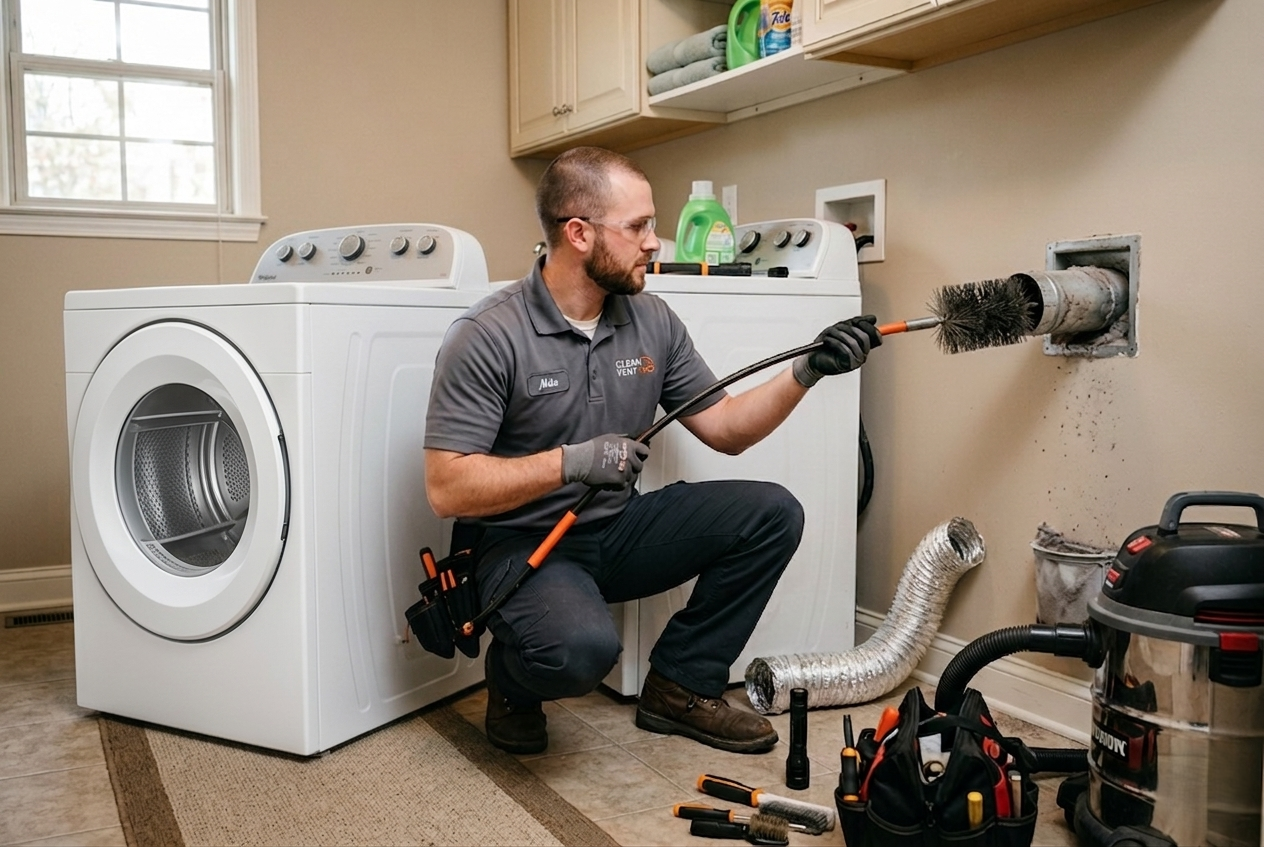
You clean the lint trap, pat yourself on the back, and call it a day—but what about the duct that runs from your dryer to the outside? Over time, lint can accumulate deep within your dryer, blocking airflow and making the appliance strain more than necessary. Not only does this cost you extra on your energy bill, but it’s also one of the leading causes of dryer fires. A professional vent cleaning once a year goes a long way.
2. Inspecting the Exterior Vent Cap
West Michigan winters love to toss snow, ice, and debris at your home. If your dryer vent outside is blocked, airflow gets restricted, and your dryer struggles. Birds and small critters also love to take up residence in those little caps. A quick glance outside a few times a year can prevent bigger problems inside.
3. Checking the Dryer Drum Seals
Your dryer drum might look perfectly fine, but the seals around it can wear out over time. Worn seals let heat and lint escape into hidden areas behind your dryer, which can lead to clogs or even mold growth. A tiny touch that changes everything.
4. Evaluating the Humidity Detection Module
Numerous contemporary dryers are equipped with sensors that determine when laundry has fully dried. But if the sensor isn’t working right, your dryer might over-dry (wasting energy) or leave clothes damp. It’s an easy check: run a damp towel through a cycle and see if it stops at the right time. Simple, but often overlooked.
5. Examining the Dryer Hose for Kinks and Crimps
Your flexible dryer hose may seem harmless—but any sharp bends, kinks, or crushed sections slow airflow and make your dryer work harder. Straighten it out or consider a rigid vent for long-term efficiency. Your dryer will work smarter, and your wallet will notice.
6. Evaluating Wall-Mounted Exhaust Routes
Certain dryer vents are routed through walls or overhead ceilings. Long runs, sharp turns, and hidden bends can trap lint far from sight. It’s easy to forget about, but those hidden clogs are exactly what can turn a simple chore into a dangerous situation.
7. Identifying Hidden Lint Accumulation
Lint isn’t just in the trap. It sneaks behind the dryer, in wall ducts, and in bends that are almost impossible to reach. Gradually, this accumulation may block airflow and pose a significant risk of fire. Catching it early makes a huge difference.
8. Evaluating Dryer Location Ventilation
Closets and tight laundry rooms can suffocate your dryer. Poor airflow behind and around your machine traps heat and moisture, making your dryer less efficient and sometimes even damaging your walls. Make sure your dryer has a little breathing room—it works harder than you realize!
9. Gas Dryer Safety Checks
If you have a gas dryer, safety checks are non-negotiable. Gas lines, burners, and sensors need professional inspection. Any leaks or malfunctions could cause carbon monoxide exposure—a serious risk you don’t want to take lightly.
10. Regular or Yearly Expert Evaluations
Even the most attentive homeowner can overlook concealed problems. A professional inspection goes beyond what you can do on your own, cleaning ducts, checking sensors, and spotting problems before they escalate. Consider it a complete health tune-up for your dryer.
Quick DIY Dryer Maintenance Checklist
Monthly:
- Clean the lint trap
- Unkink the dryer duct
- Examine the outside vent cover
Quarterly:
- Check the drum seals for wear
- Test the moisture sensor
- Make sure the dryer has proper ventilation
Annually:
- Schedule a professional vent cleaning
- If you have a gas dryer, get a full safety inspection
Why This Matters in West Michigan
With winters that bury us in snow and summers that drench the air with humidity, our dryers are pushed to their limits. Snow, ice, and debris can block vents, while frequent indoor use increases hidden lint buildup. Spending a little extra time on maintenance keeps your dryer running efficiently, your clothes perfectly dry, and your home safe from avoidable hazards.
Don’t Overlook What Matters Most
Dryer maintenance isn’t just a routine task—it’s about keeping your home safe, your dryer efficient, and your mind at ease. Many hidden issues, like lint buildup or worn components, can create serious problems if left unchecked.
For homeowners in West Michigan looking for a thorough, professional approach, Lakeshore Air Duct Cleaning provides complete dryer vent and duct cleaning services. Our team helps:
- Keep your dryer running safely and at peak efficiency
- Lower energy bills by optimizing airflow
- Avoid expensive repairs and minimize fire risks
Safeguard your home while keeping your dryer running longer.
Schedule a professional inspection
and cleaning with Lakeshore Air Duct Cleaning today. Rest easy knowing your dryer—and your home—are being cared for by trusted hands.
You might also like