How Lint Buildup Can Sneakily Mess With Your Home’s Humidity
How lint in your vents secretly raises humidity and affects your home’s comfort

Living in West Michigan comes with its challenges—especially when it comes to keeping your home cozy through every season. Summers can get sticky, winters feel damp, and no matter how many times you tweak your thermostat or run a humidifier, something just feels… off.
Here’s a surprising culprit: lint. Yep — that tiny fluff from your clothes and towels. It seems harmless, but when it piles up in dryer vents or air ducts, it can actually mess with your home’s humidity and even the air you breathe.
Don’t worry — we’ll break it down in plain English, explain why it matters, and give you simple tips you can start using today.
Lint: More Than Just a Nuisance
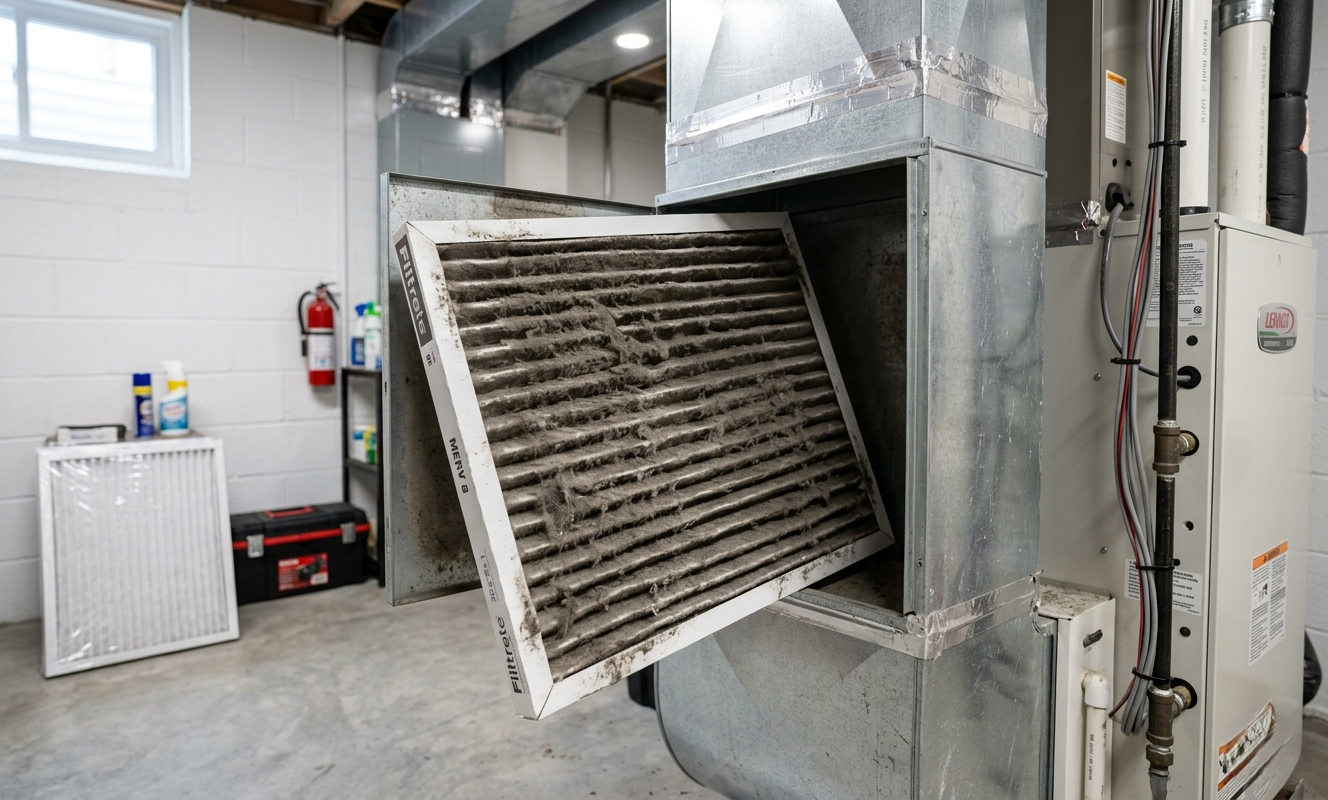
We all pull lint from the dryer filter and toss it in the trash. Easy, right? But lint doesn’t stop there. Tiny fibers can sneak into dryer vents and HVAC ducts over time.
Why is that a problem? Lint traps moisture. Imagine a sponge sitting inside your vents, soaking up water and slowing airflow. Even with your thermostat dialed in just right, lingering moisture can leave your home's air feeling dense and clammy.
Why Indoor Humidity Matters
Humidity affects more than comfort — it shapes the health of your home. Ideally, your indoor humidity should be around 30–50%.
- Too high: condensation on windows, musty smells, mold growth.
- Too low: dry skin, cracking wood floors, and furniture.
Here in West Michigan, seasonal swings make it trickier. Humid summers and wet winters can push your home out of that sweet spot. And even the best humidifier or dehumidifier won’t fully fix the problem if lint is blocking airflow.
How Lint Messes With Your Home’s Humidity
It’s crazy to think something so small can have such a big effect:
- Airflow slows down – Lint in vents or ducts blocks airflow, so moisture can’t escape efficiently.
- Moisture gets trapped – Lint acts like a sponge, holding water and raising indoor humidity.
- Dryers work harder – Blocked vents make dryers run longer, sometimes pushing extra moisture back inside.
- Mold finds a home – Damp, lint-filled vents are perfect for mold, which worsens humidity and air quality.
What looks like harmless fluff is actually creating the perfect conditions for indoor humidity problems.
Signs Lint Might Be Affecting Your Home
You don’t need fancy tools to spot a lint-related humidity problem. Look out for:
- Even after completing a full cycle, garments often remain damp or take extra time to dry.
- Condensation near vents, windows, or duct openings.
- Musty smells or mold spots around laundry areas or vents.
- Higher-than-normal humidity readings on a simple hygrometer.
If any of this sounds familiar, checking your vents could save you bigger headaches later.
Beyond the Surface: Exploring Humidity and Air Quality
Too much moisture in the air can turn your home from cozy to stifling. Damp air combined with dust and lint spreads allergens, aggravates allergies, and can even affect breathing. Over time, it can damage walls, furniture, and floors.
Cleaning vents and ducts removes hidden lint, restores airflow, and helps your home systems do what they’re meant to: keep your air fresh, dry, and healthy.
What You Can Do Today
Here are some practical steps to tackle lint and improve humidity:
- Clean dryer vents regularly — a little maintenance goes a long way.
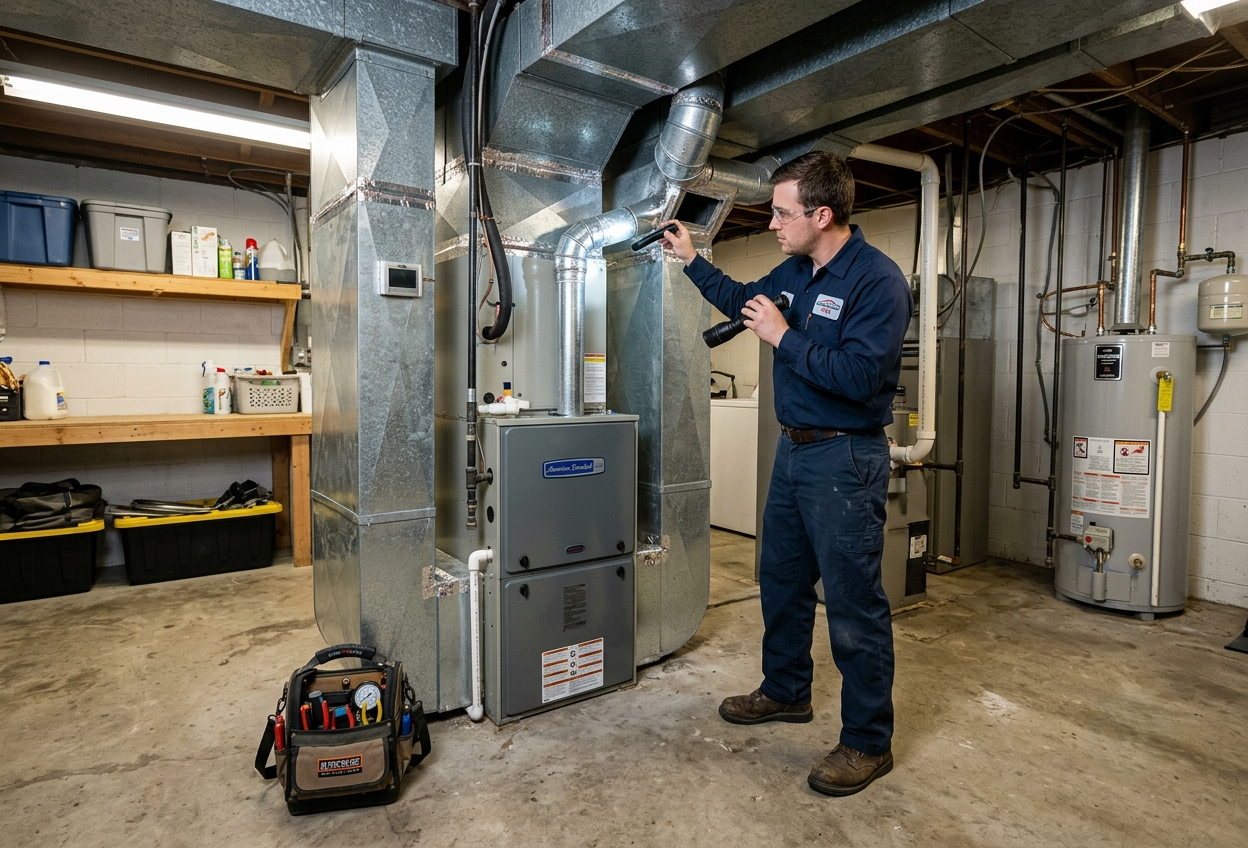
- Check HVAC ducts for hidden lint or dust buildup.
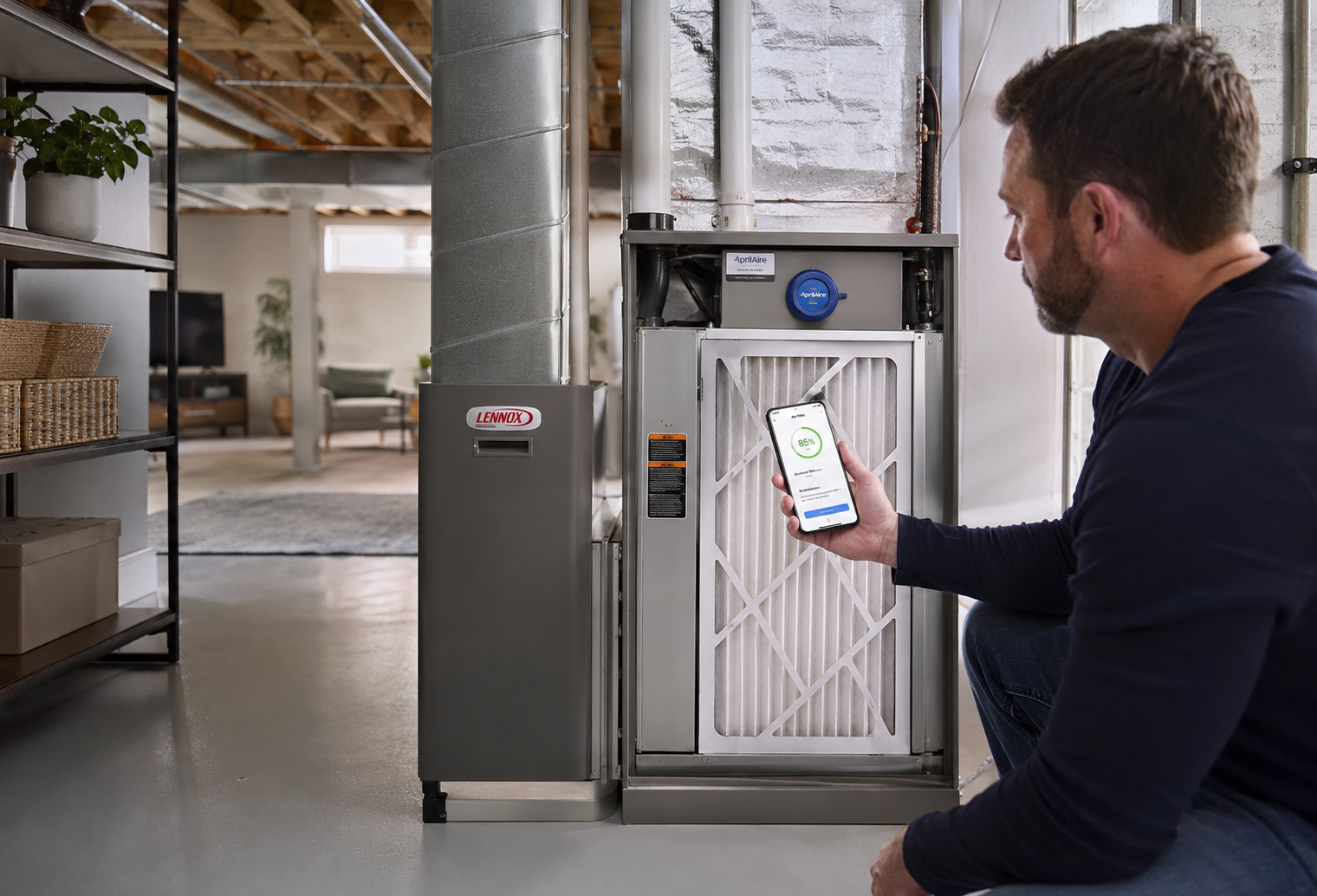
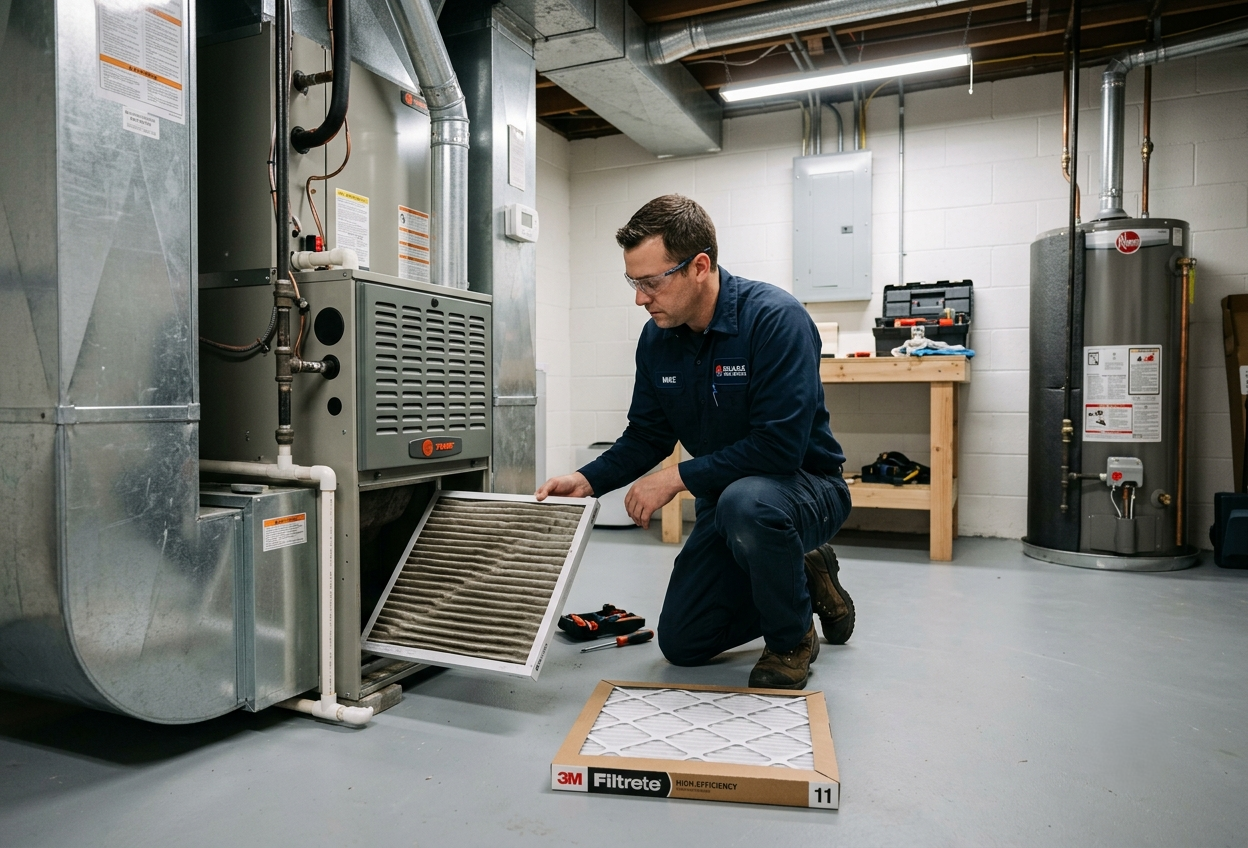
- Replace dryer and HVAC filters on schedule to keep air moving.
- Ensure vent runs are the right size and sealed properly.
- Use a hygrometer to track humidity and spot trends early.
Even small changes like these can make your home feel fresher, cleaner, and more comfortable.
When Professional Cleaning Makes a Difference
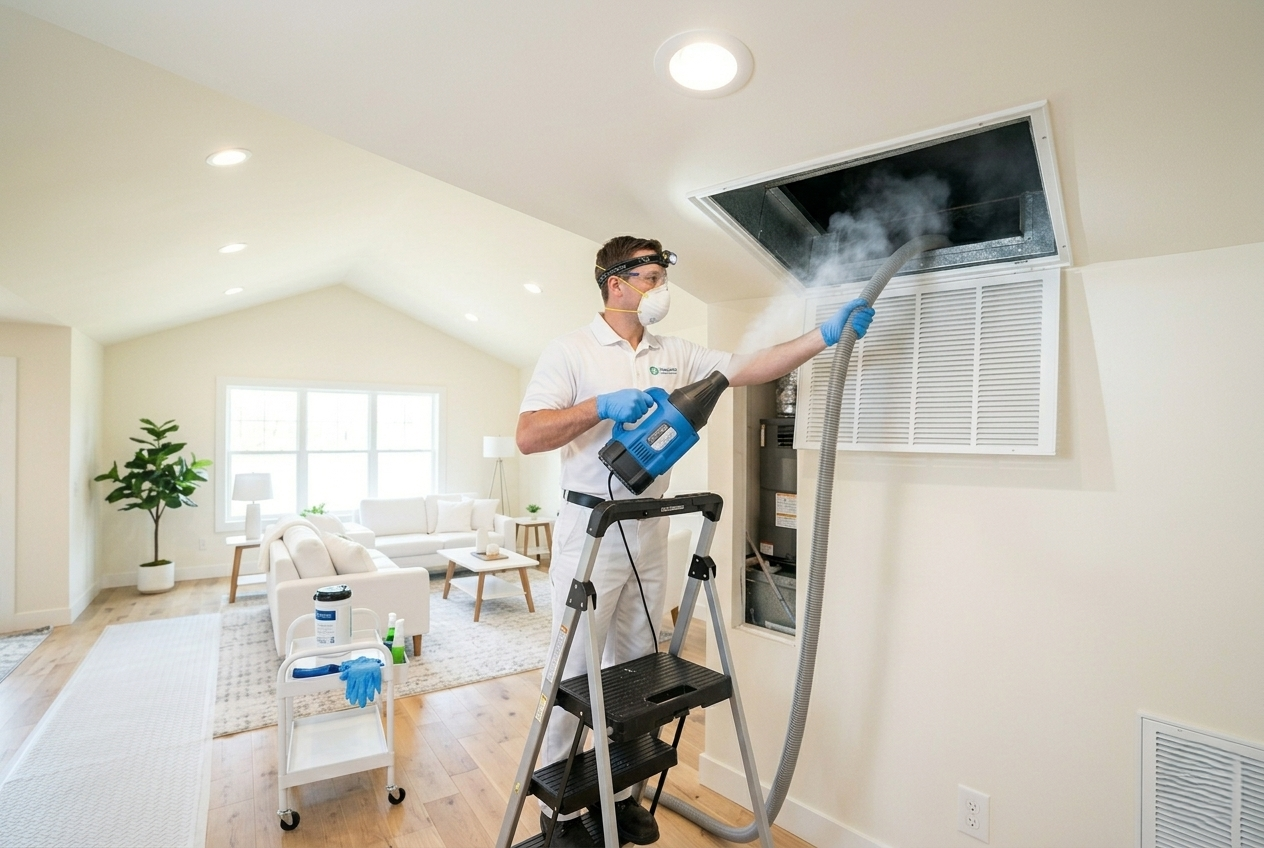
Some lint hides in hard-to-reach spots — deep inside ducts or long dryer vent runs — where regular cleaning can’t reach. That’s where a professional service helps.
A thorough cleaning removes hidden buildup, restores airflow, lowers humidity, and prevents mold or musty smells.
For West Michigan homeowners, investing in
professional duct
and vent cleaning is a simple step that pays off in comfort, peace of mind, and healthier air. Our team at Lakeshore Air Duct Cleaning can handle the deep cleaning your home needs, keeping your air fresher, your humidity in check, and your home healthier year-round.
Contact us today!
You might also like