Top 5 HVAC Upgrades That Actually Make a Difference for West Michigan Homes
How to improve indoor air quality without replacing your HVAC system
Let me ask you something: when did you last think about the air inside your home?
Not the temperature. The air itself.
For most homeowners, indoor air quality is one of those invisible problems—easy to ignore until someone in the house starts sneezing constantly, or you notice a layer of dust back on the shelf two days after cleaning. Here in West Michigan, where we're sealed indoors for long stretches of cold weather and then hit with humid summers, what's circulating through our homes matters more than most people realize.
The EPA has found that indoor air can actually be more polluted than outdoor air. That's a sobering thought when you consider how many hours we spend inside.
But here's the reassuring part: you don't need to replace your entire HVAC system to make a real, noticeable improvement. A handful of targeted upgrades can transform how your home feels to live in.
1. Upgrade Your Air Filter First
This is the lowest-effort, highest-return starting point for most homes.
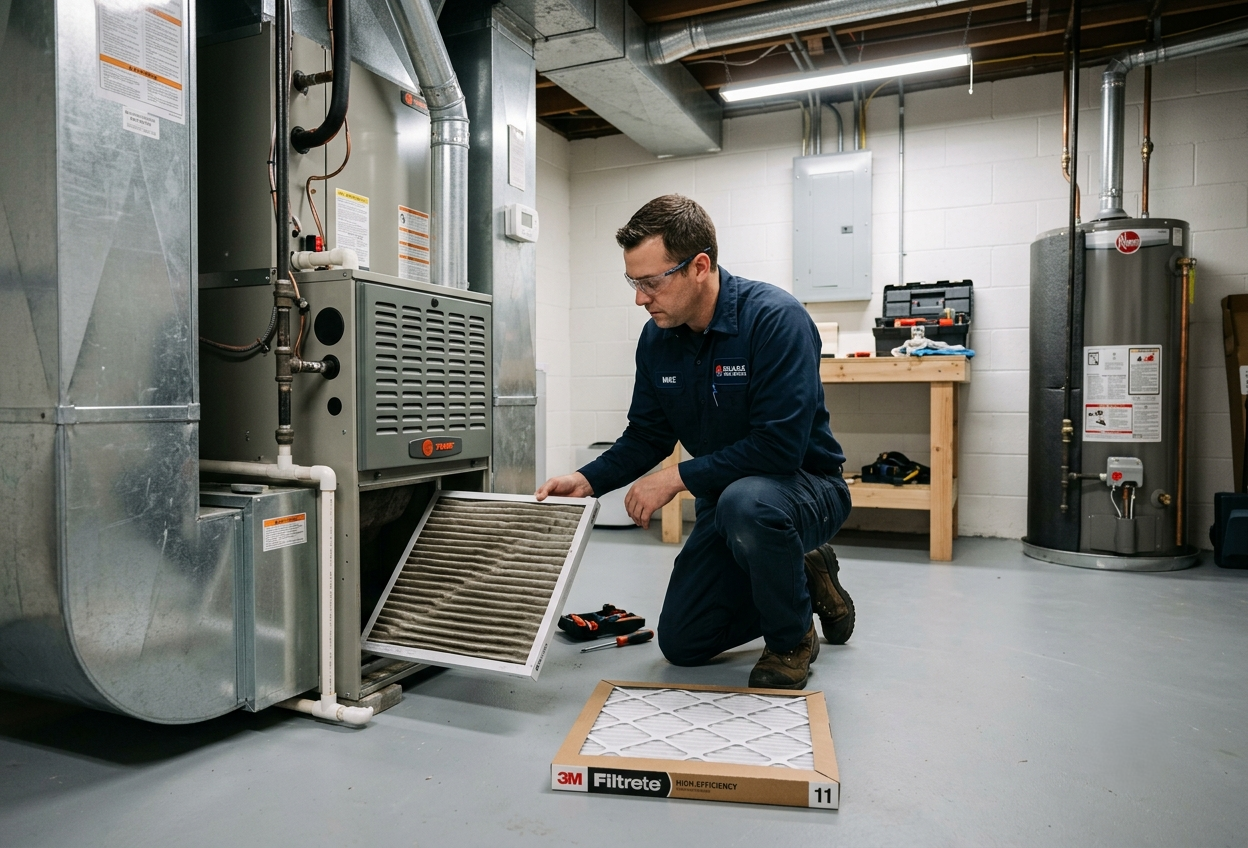
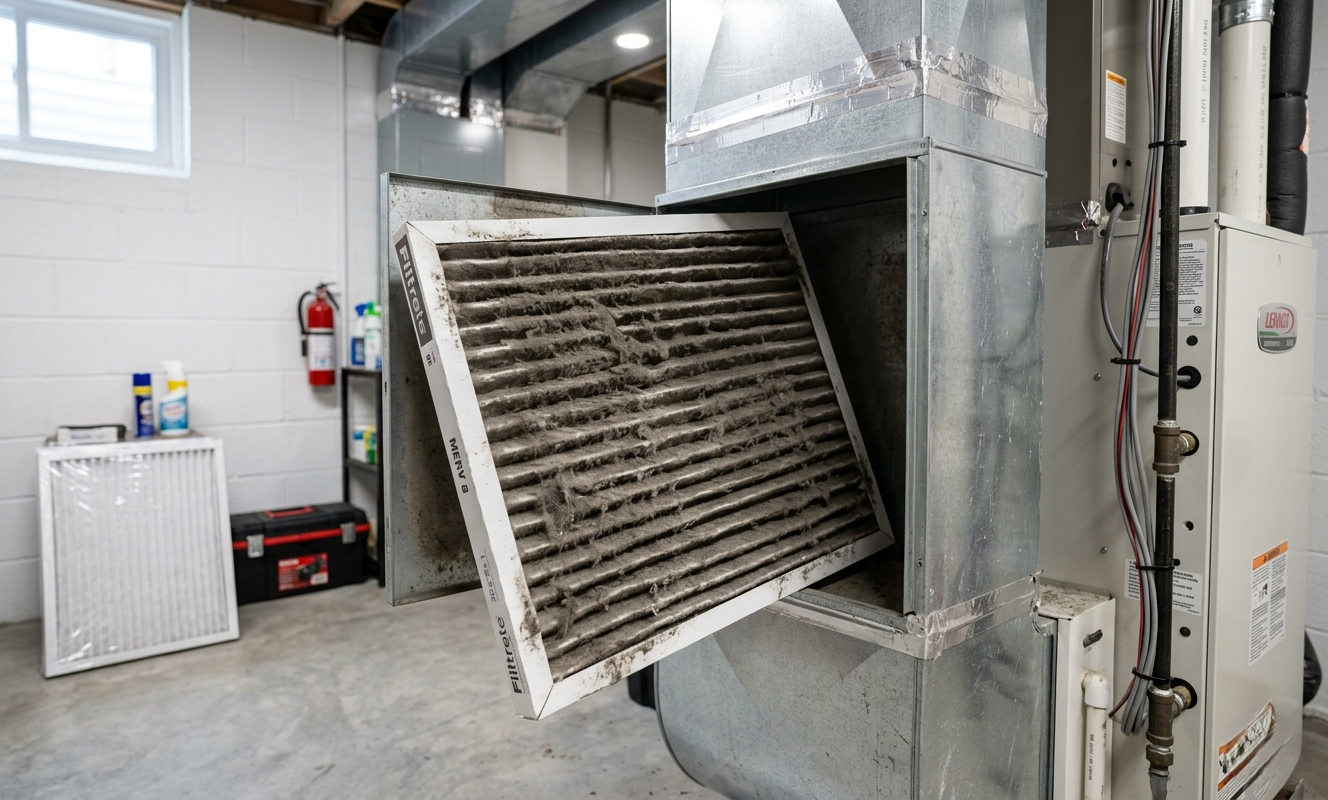
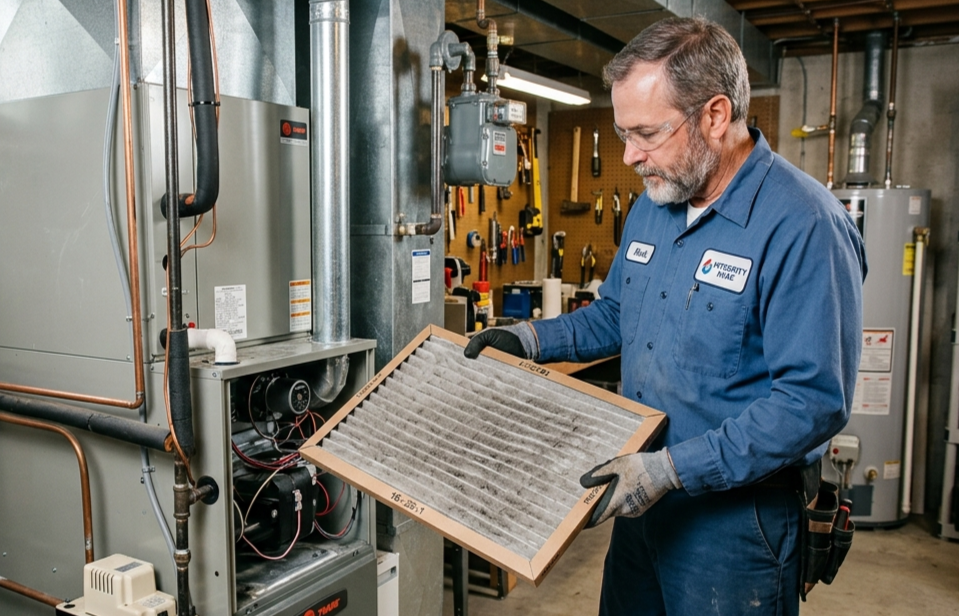
Standard filters that come with most systems? They're designed to protect the equipment—not necessarily your lungs. Stepping up to a MERV 11 or higher filter means you're now catching pollen, pet dander, mold spores, and fine dust particles that previously just kept cycling through your air.
People with allergies often notice this change within days. Furniture stays cleaner longer. The air feels lighter. One important note: check with an HVAC technician before jumping to the highest-rated filter available, since some systems need adequate airflow and a filter that's too dense can actually strain the equipment.
2. Consider a Whole-Home Air Purification System
Standalone room purifiers do their job in a single space, but your home is connected. Air moves constantly between rooms, up and down floors, through hallways.
A whole-home purifier integrates directly into your HVAC system and works on every cubic foot of air that passes through. Some use UV light technology to neutralize bacteria and airborne mold. Others use advanced electronic filtration to capture microscopic particles that even upgraded filters can miss.
If someone in your household deals with asthma, seasonal allergies, or recurring respiratory issues, this upgrade can genuinely change their day-to-day quality of life.
3. Get Humidity Under Control
West Michigan homeowners understand this challenge on a gut level. Winters here are brutally dry. Summers swing to the opposite extreme—sticky, heavy air that seems to cling to everything.
Your HVAC system can help regulate both extremes when paired with whole-home humidity control. The target range you're aiming for is roughly 30–50% relative humidity indoors. Inside that range, you'll notice:
- Less dry skin and irritated sinuses in winter
- Fewer musty odors and reduced mold risk in summer
- Lower dust mite populations (they thrive when humidity is high)
It's one of those upgrades that's hard to appreciate until you've experienced it—and then you wonder how you lived without it.
4. Don't Overlook Your Ductwork
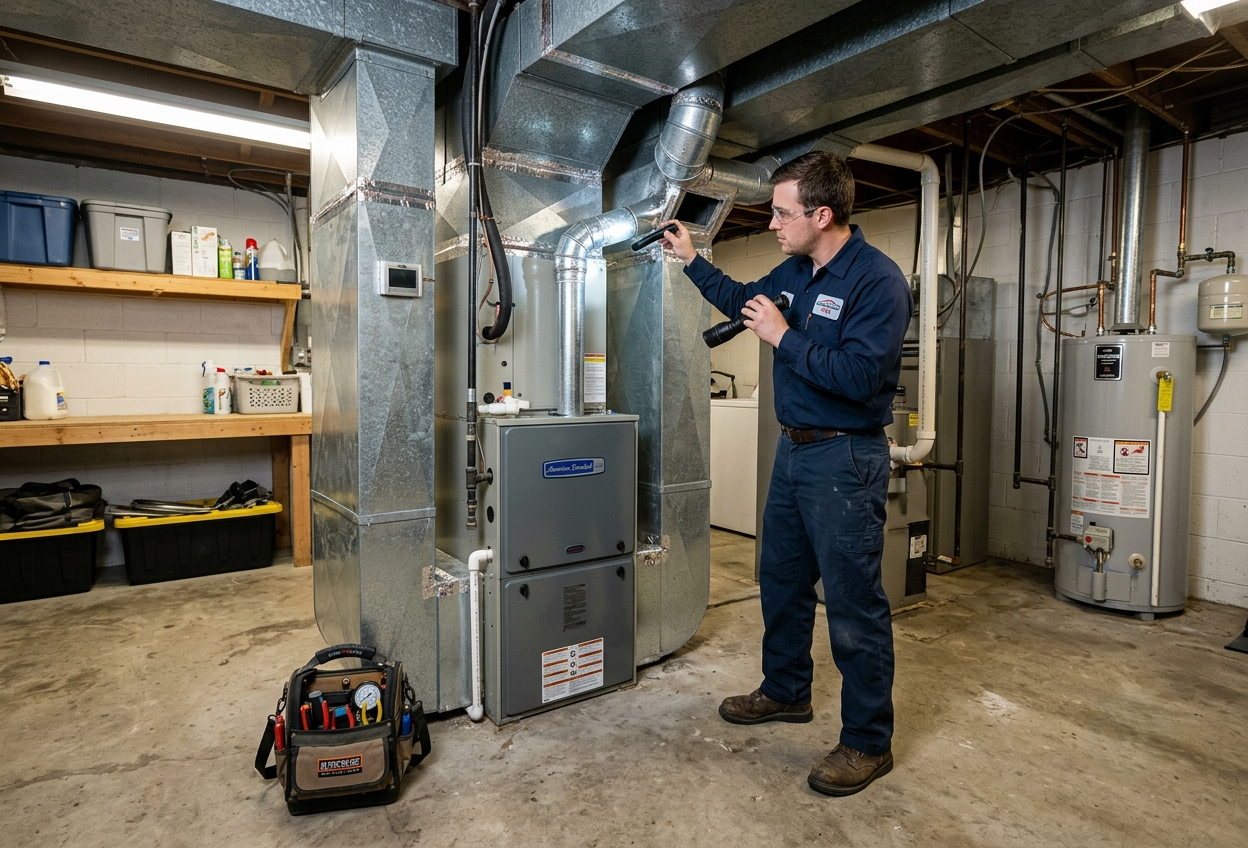
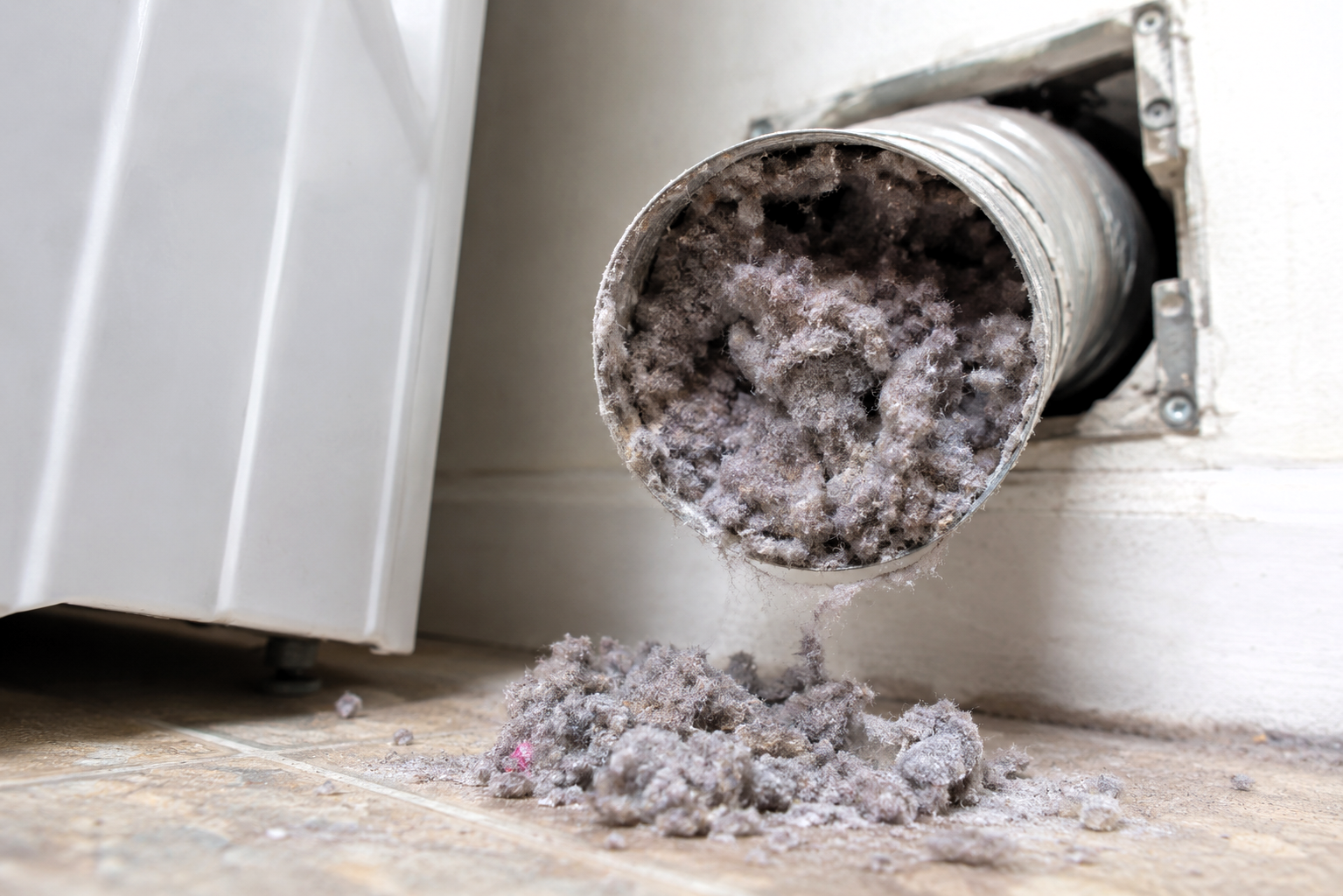
Ducts are the arteries of your HVAC system, quietly moving conditioned air throughout your home. The problem is they're also invisible, which means buildup—dust, debris, even mold over time—goes unnoticed for years.
Worse, leaky duct joints can pull in unfiltered air from attics, crawl spaces, or basements. You might be running an expensive filtration system and still breathing air that bypasses it entirely.
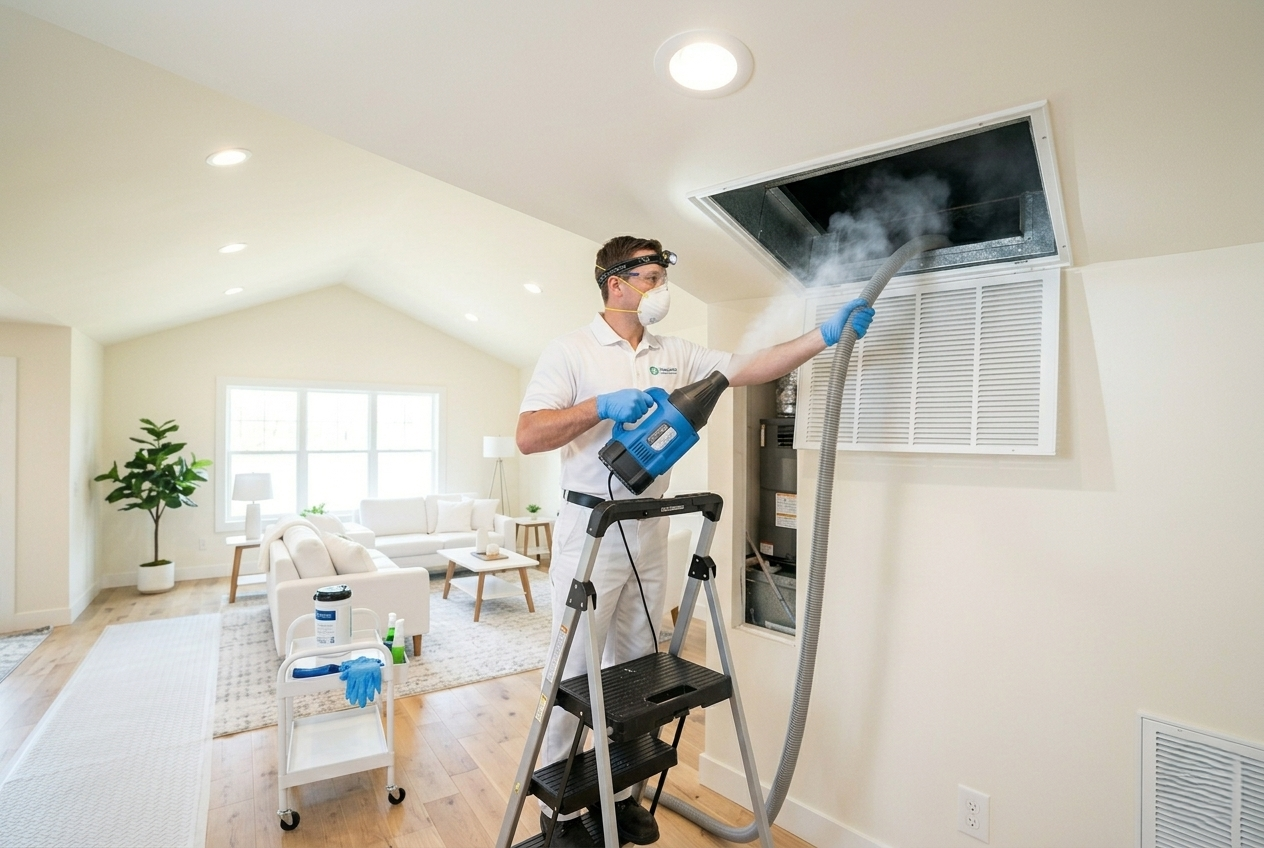
Professional duct cleaning clears out accumulated buildup, and sealing any leaks ensures the air moving through your home is actually going through your filtration system before it reaches you. It's unglamorous work, but the results are real.
5. A Smart Thermostat That Does More Than Adjust Temperature
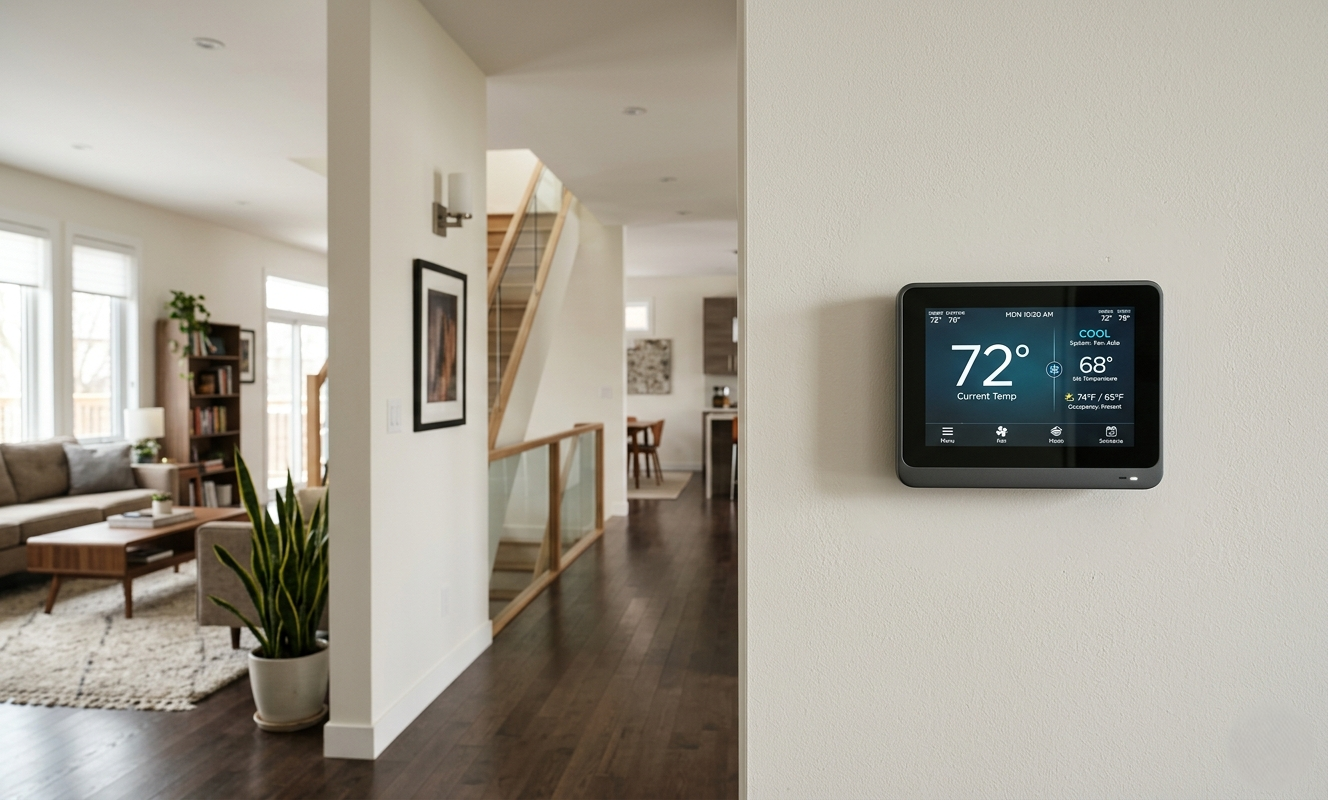
Modern smart thermostats have quietly evolved into something much more useful. Many current models monitor humidity levels, detect VOCs (volatile organic compounds from cleaning products, paints, and furniture), and track overall air quality in real time.
Instead of passively waiting for you to notice a problem, they can send alerts when filters need changing or automatically increase air circulation when air quality dips. It puts you in control of something that used to be completely invisible.
Putting It All Together
Better air quality at home isn't about one dramatic fix—it's about layering smart, complementary upgrades that reinforce each other. Cleaner filters, properly sealed ducts, balanced humidity, and responsive technology all work better together than any one of them alone.
For West Michigan homeowners, these changes translate into a home that simply feels better to be inside—whether it's January or July.
If you're not sure where to start, Lakeshore Air Duct Cleaning helps homeowners identify what's actually affecting their indoor air and address it practically and efficiently. Sometimes the biggest improvements come from the most straightforward fixes.
Contact us today!
You might also like