8 Ways a Dirty HVAC Filter Is Silently Working Against Your Home
Why your dirty HVAC filter is quietly damaging your entire home
You change the batteries in your smoke detector. You swap out the lightbulbs when they burn out. But when was the last time you looked at your HVAC filter?
For most West Michigan homeowners, the honest answer is "not recently." It's easy to forget — it's hidden, it doesn't make noise when it's failing, and nothing seems obviously wrong until something actually breaks. The problem is, a lot of damage happens in that quiet window of neglect. Here's what's really going on when your filter goes too long without a change.
1. Your Monthly Energy Bill Goes Up — Without Any Obvious Reason
Picture trying to breathe through a thick wool scarf. That's essentially what your HVAC system deals with when the filter is clogged. It can't pull air through freely, so it compensates by running longer and working harder just to maintain the temperature you set.
West Michigan winters are no joke — your system is often running for six or more months straight. A filter that's been sitting since last spring is quietly adding dollars to every single utility bill during that stretch. Small inefficiency, big cumulative cost.
2. You're Shortening the Life of Equipment That's Expensive to Replace
HVAC systems aren't designed to constantly fight against themselves. When airflow is restricted, internal components — especially the blower motor — heat up more than they should during normal operation. Run a system in that stressed state long enough, and parts start failing ahead of schedule.
A new filter runs a few dollars. A new HVAC unit runs several thousand. That gap makes regular filter changes one of the highest-return maintenance habits a homeowner can have.
3. The Inside of Your Ductwork Gets Dirtier With Every Passing Month
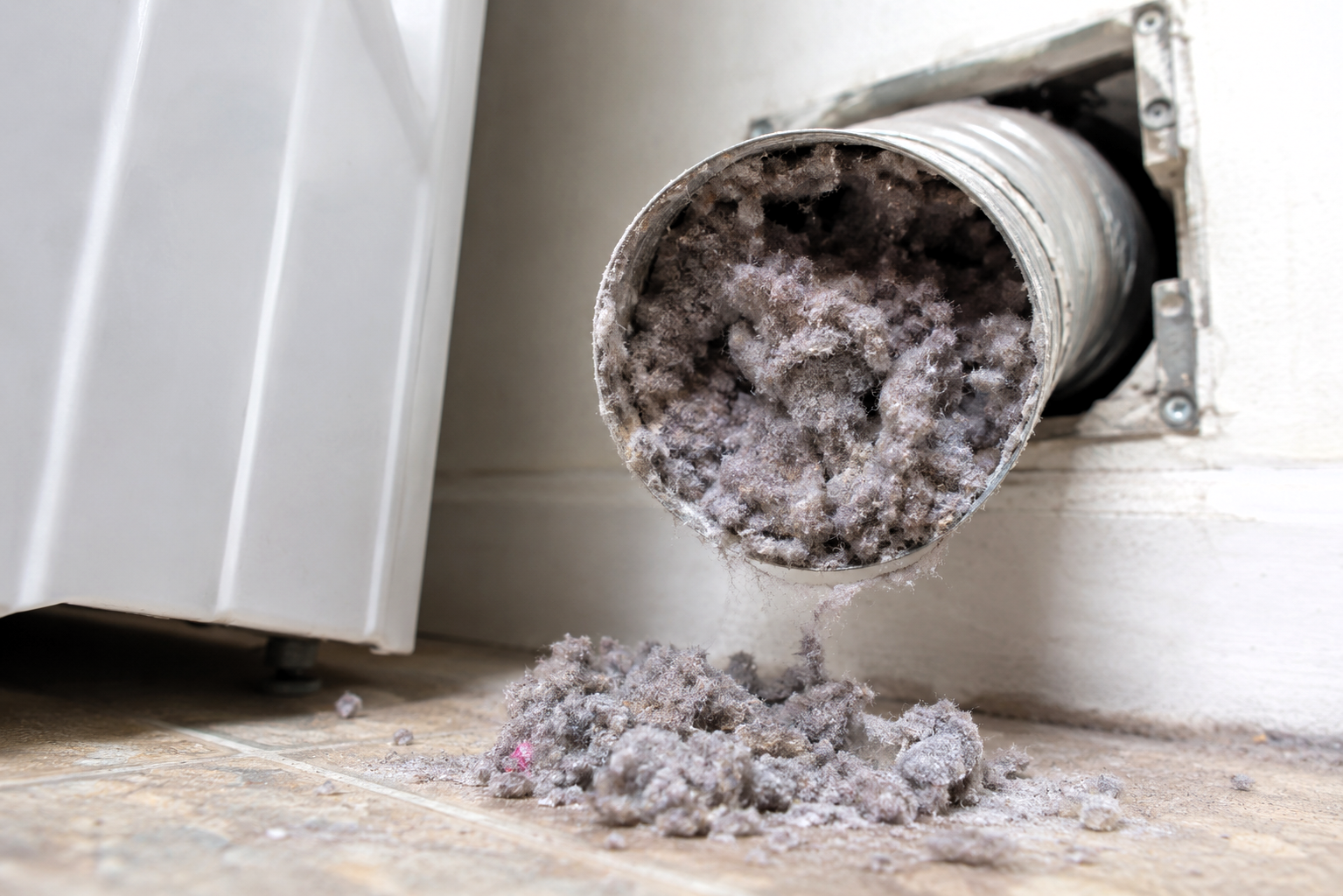
Here's something most people don't realize: a filter that's maxed out doesn't just stop catching particles — it starts letting them through. Those particles don't vanish. They travel deeper into the system and settle along the inner walls of your ducts, where they sit and build up over time.
Every time your system cycles on, some of that accumulated debris gets stirred up and pushed back into your living space. It's a slow process, but it's exactly why duct cleaning often becomes necessary after a long stretch of filter neglect.
4. The Air Inside Your Home Gets Harder to Breathe
Your filter's whole job is to intercept the stuff you don't want floating around your home — pollen, dust mites, pet dander, mold spores. Once it's full, it stops intercepting anything. Those particles just ride the airflow straight into the rooms where you eat, sleep, and spend your evenings.
Along the Lake Michigan shoreline, this matters more than people often expect. Lake-driven humidity creates conditions where mold spores thrive, and seasonal pollen from surrounding woodlands can be significant. For anyone dealing with asthma or seasonal allergies, a saturated filter isn't just an inconvenience — it's a direct contributor to symptoms.
5. Moisture Gets Trapped, and Mold Finds an Opening
Airflow does more than move temperature around — it also manages moisture. When a clogged filter cuts off that flow, humidity can linger inside the unit and surrounding ducts longer than it should. That stagnant, damp environment is exactly where mold gets comfortable.
The tricky part is that mold growing inside ductwork is invisible from the outside. You might notice a musty smell when the heat kicks on, or find that people in the house are having more respiratory issues than usual. By the time it's obvious, the problem has usually been developing for a while.
6. Rooms Stop Feeling Comfortable, and the Thermostat Stops Making Sense
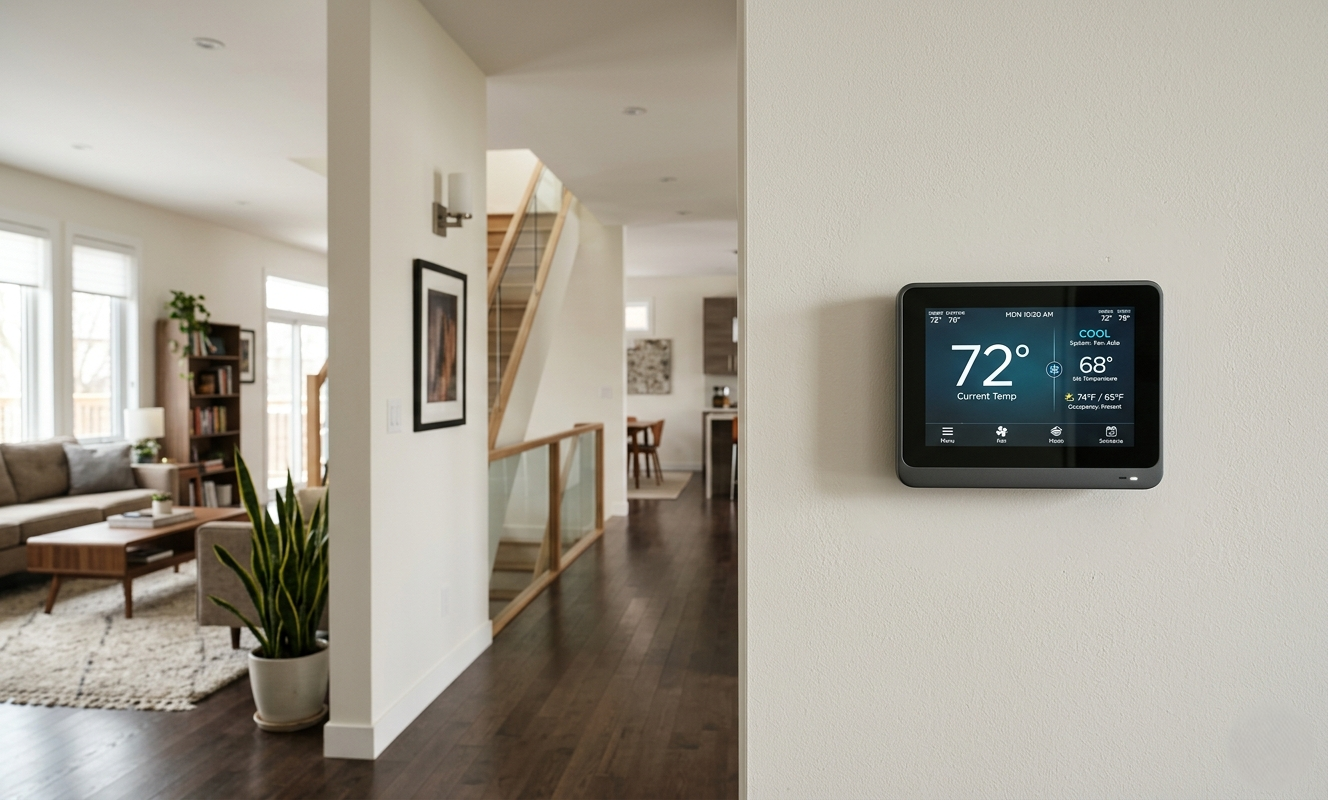
If you've found yourself walking from a stuffy living room into a freezing bedroom and wondering why your system can't seem to balance things out — a dirty filter might be the culprit nobody suspected.
Consistent airflow is what allows an HVAC system to heat or cool a home evenly. Restrict that flow at the source, and some rooms get plenty of conditioned air while others get almost none. It's a comfort problem that often gets blamed on the ductwork or the unit itself, when a simple filter swap would have helped from the start.
7. The Air Quality Problem Is Bigger Than What You Can See
Visible dust on surfaces is one thing. What you can't see is often more concerning — microscopic particles, fine airborne debris, and compounds that linger in the air long after the obvious stuff settles. Indoor air quality research has repeatedly shown that the air inside homes tends to be more polluted than the air outside, and an overwhelmed filtration system is a major reason why.
A clean filter and well-maintained ducts work together. When one side of that equation is off, the other can only do so much.
8. Most Filters Are Overdue Before Homeowners Even Think to Check
The general guideline is every one to three months, but that assumes a fairly average household. Add pets, add anyone with allergies, add a renovation project nearby, and that timeline shortens considerably.
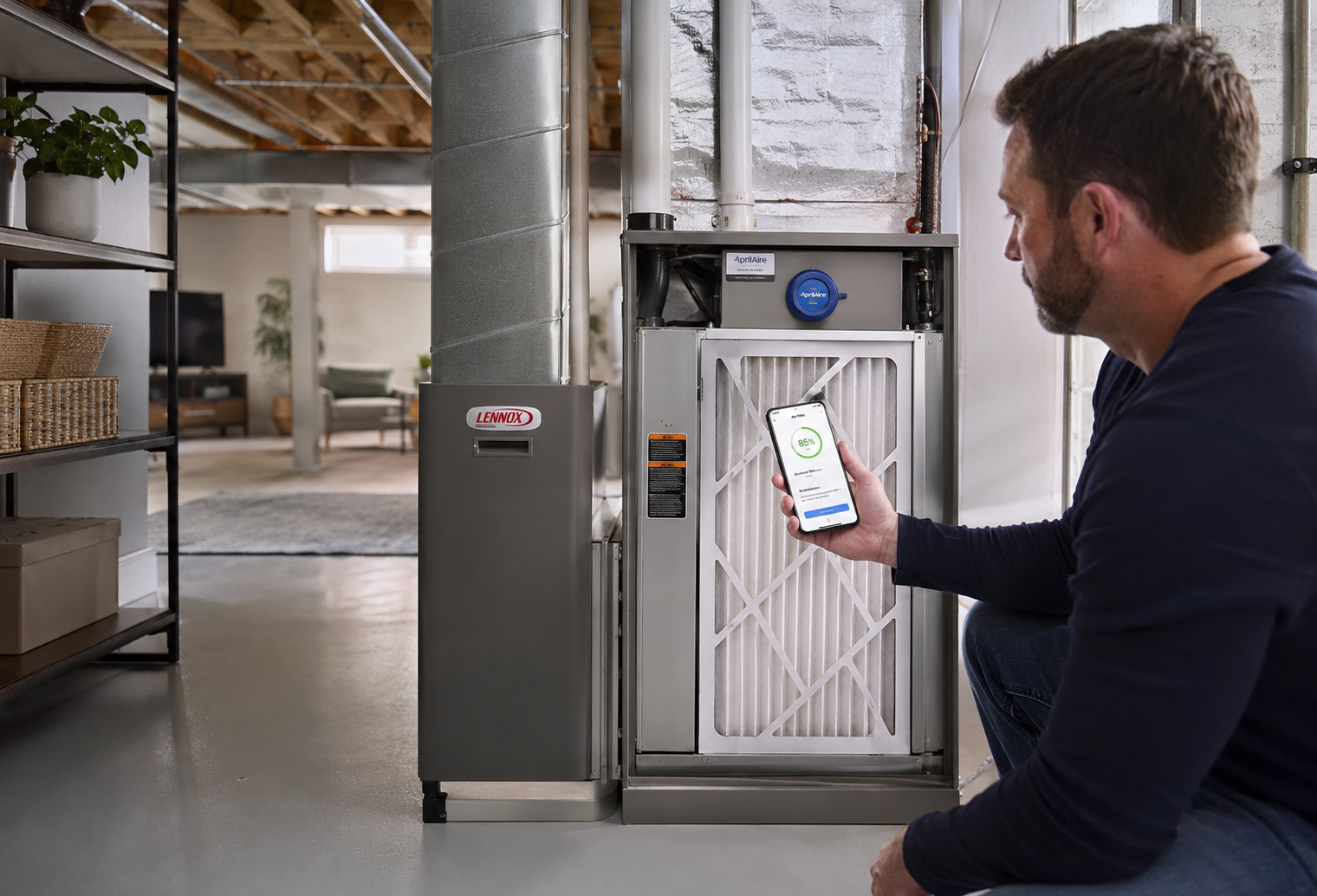
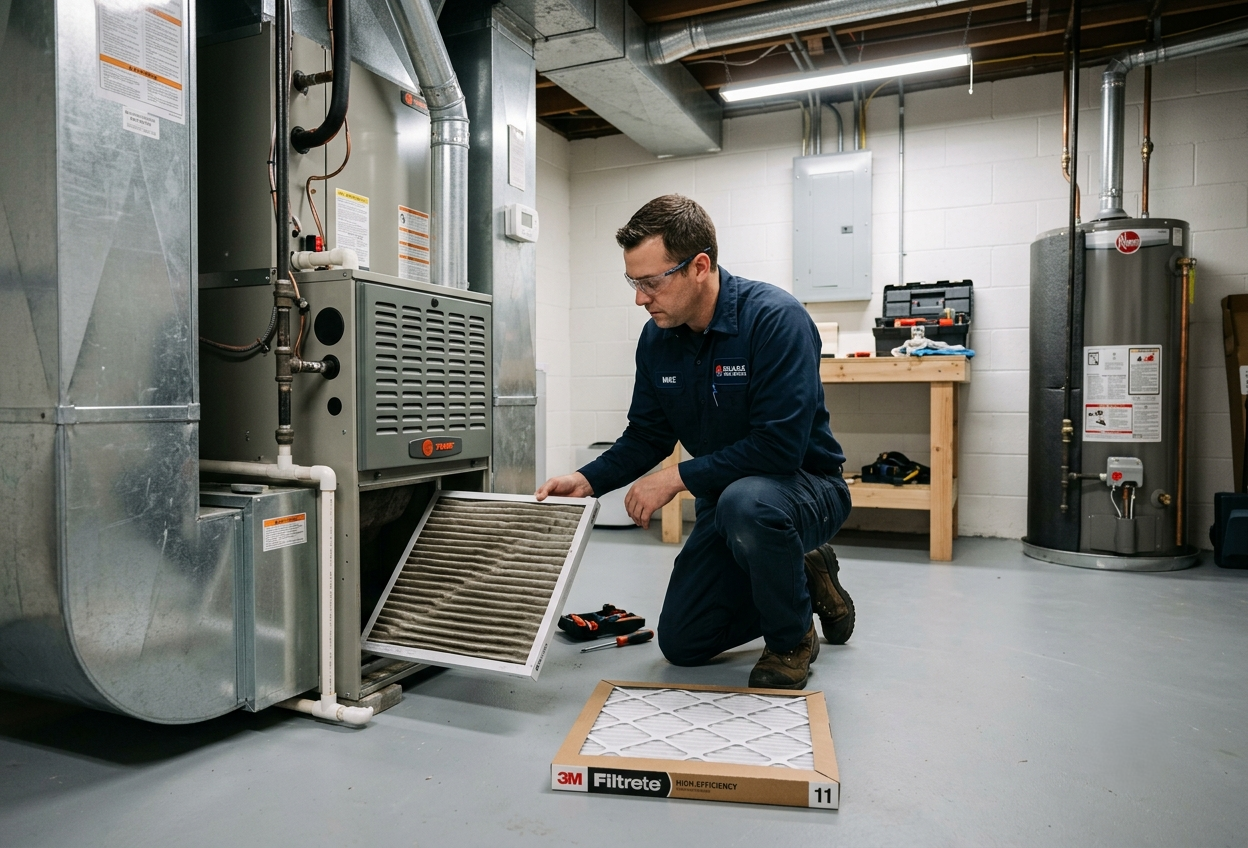
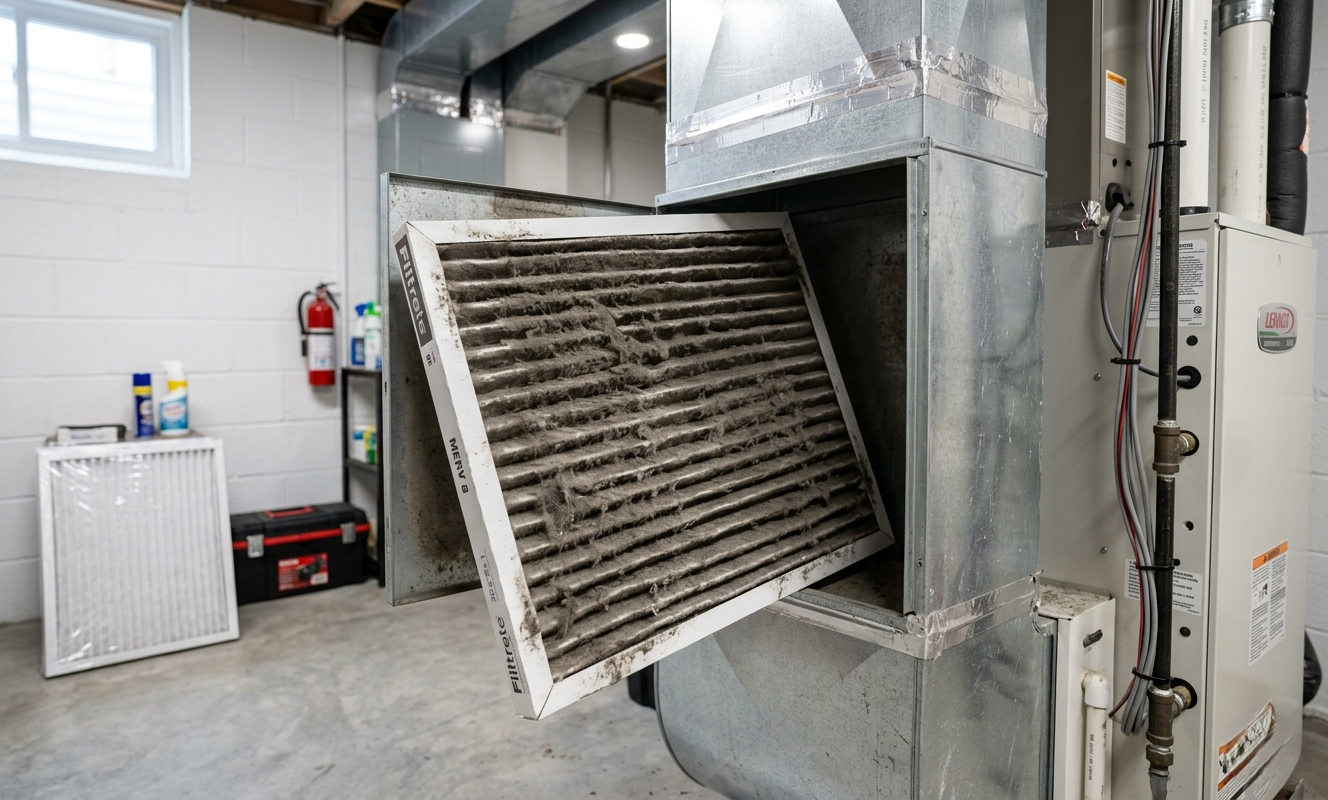
The simplest check: pull the filter out and hold it up toward a light source. A filter that's still doing its job lets light through. One that's past due looks solid — gray, dense, sometimes with a visible layer of packed debris on the surface. If you're squinting to find any light coming through at all, it needed changing a while ago.
Don't Wait Until Something Breaks to Think About Your Ducts
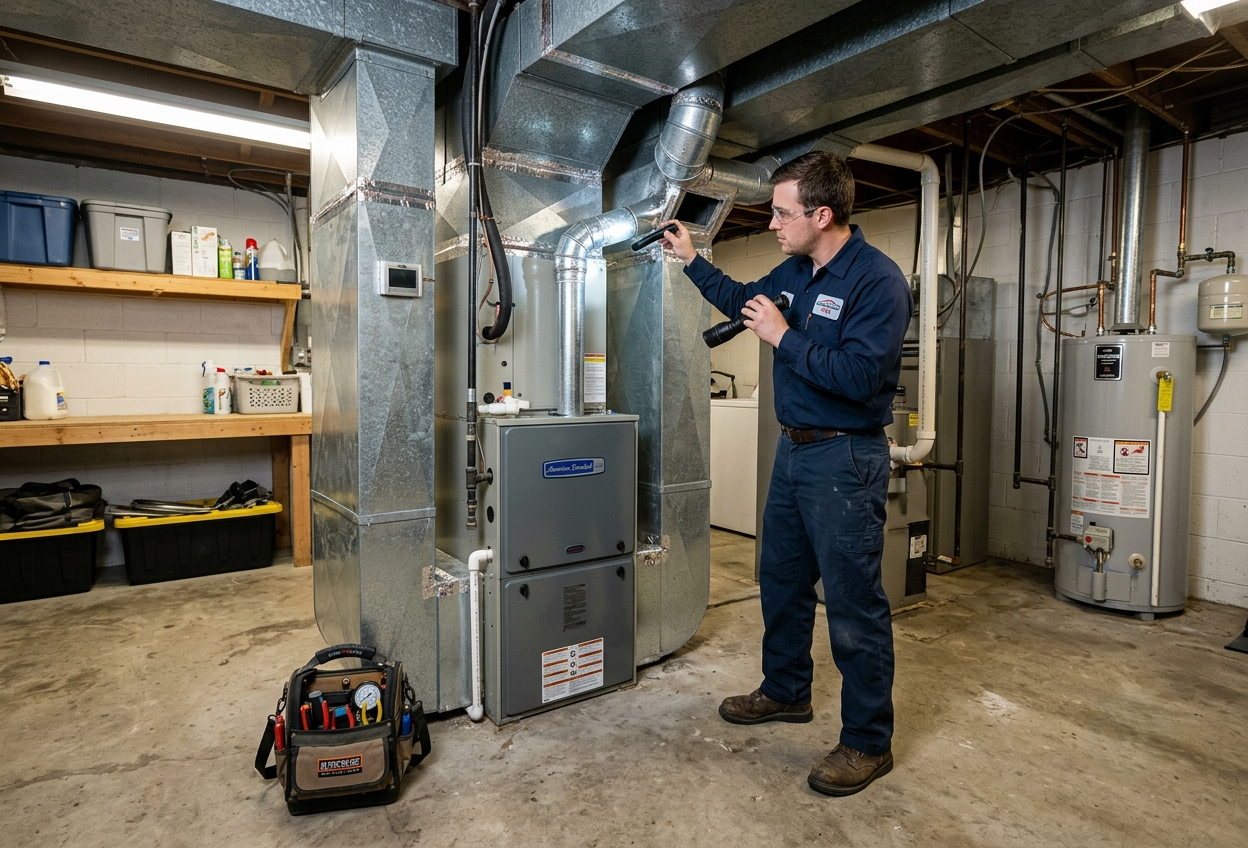
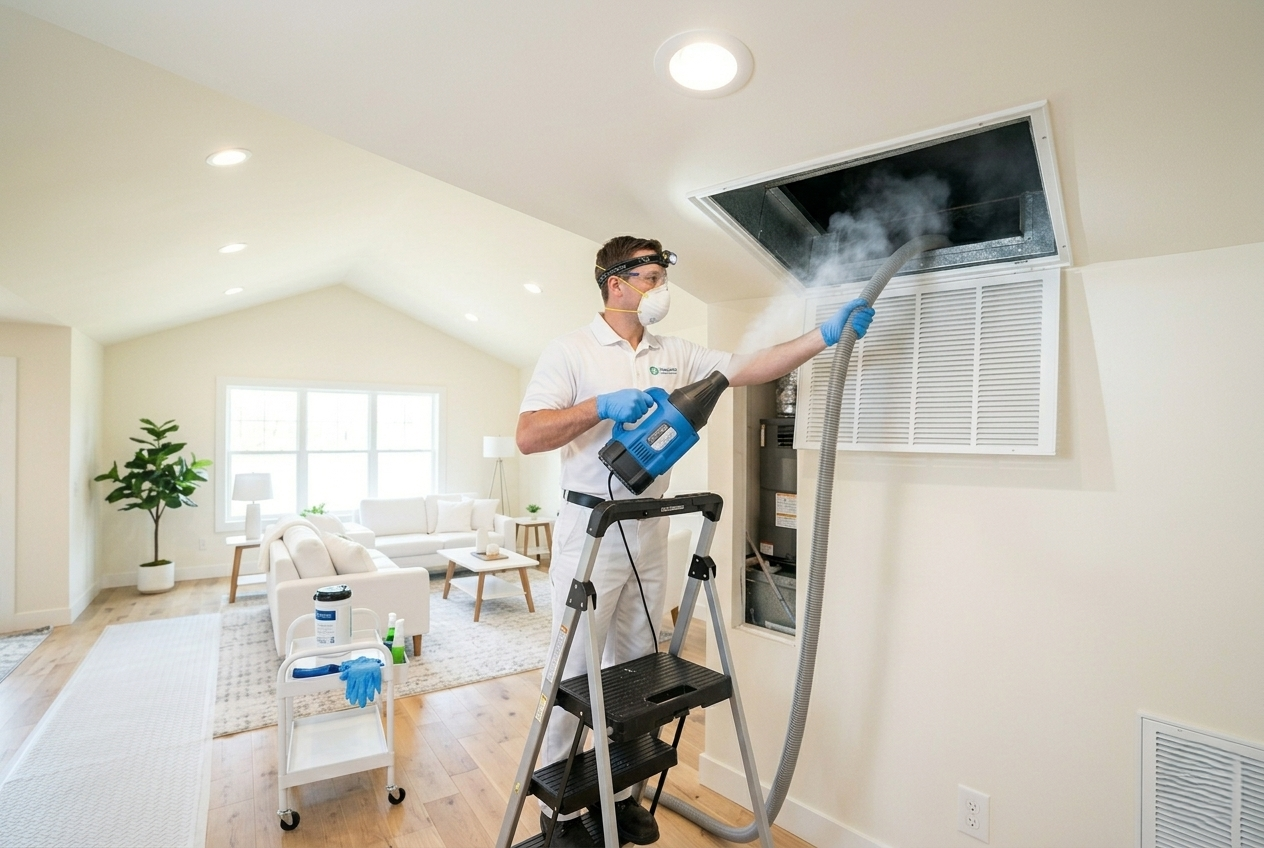
A fresh filter going forward is smart maintenance. But the buildup that's already inside your ductwork isn't going anywhere on its own — and it keeps affecting your air quality every single day until it's properly cleaned out.
Lakeshore Air Duct Cleaning helps West Michigan homeowners get ahead of that problem instead of reacting to it. If you've been putting it off, now is the right time — before peak heating season puts your system under maximum demand.
Schedule your inspection with us today and know exactly what you're working with.
You might also like