Dangerous Dryer Vent Blockages: Risks, Signs, and Solutions Every Homeowner Should Know
What every homeowner should know about dangerous dryer vent blockages
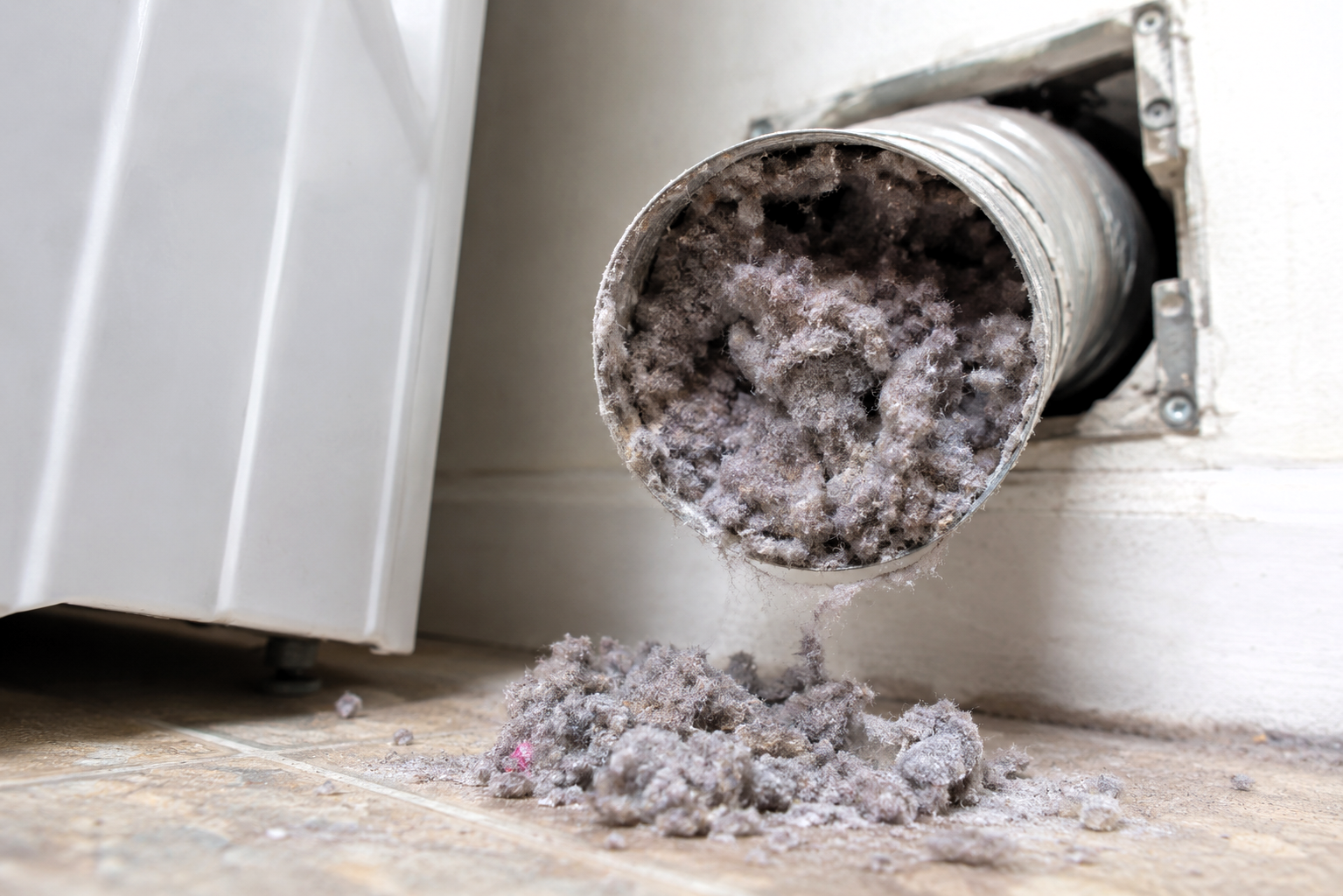
Most West Michigan homeowners think about smoke detectors, carbon monoxide alarms, and keeping the furnace serviced when it comes to home safety. But there's one hazard that quietly hides in the laundry room that far too many people overlook — a blocked dryer vent.
It may not seem serious at first, but it becomes one when disaster strikes. According to the U.S. Fire Administration, thousands of home fires each year are linked to clothes dryers — and the biggest culprit usually isn’t the appliance itself. It's a clogged vent.
Why Dryer Vents Get Blocked
Lint is the obvious culprit. Even if you empty the lint trap after every cycle — which is important — tiny lint particles can still slip into the vent system and gradually accumulate over time. Eventually, that buildup restricts airflow — and that's where the trouble starts.
Here in West Michigan, there are a couple of extra factors that speed things up. During our cold winters, moisture in the vent can freeze near the exterior cap, narrowing the opening. Birds and small animals also like to nest in vent openings in the fall, which can create a serious blockage almost overnight.
What You Need to Know About the Real Risks
A blocked dryer vent is more than a hassle — it can become a serious fire hazard.
Fire. Lint is extremely flammable. When it builds up in a hot, restricted duct, you've essentially created a fire waiting to happen inside your wall.
Carbon monoxide. If you have a gas dryer and the vent is blocked, exhaust gases — including carbon monoxide — can back-draft into your home. This is silent and potentially deadly.
Mold and moisture damage. Trapped humid air from your dryer has to go somewhere. When it can't exit properly, it can seep into walls and create mold problems that are expensive to fix.
Higher energy bills. A dryer working against a blocked vent runs longer, works harder, and uses significantly more electricity or gas — costing you money every single cycle.
Warning Signs Your Dryer Vent May Be Clogged
Your dryer often gives early hints when airflow is restricted—pay attention before it turns into a bigger problem. Common red flags include:
- Clothes coming out of the dryer still wet or taking much longer than usual to dry
- The dryer itself or the surrounding laundry area becoming unusually warm during operation
- A noticeable burning or overheating smell while a load is running or right after it finishes
- The outside vent cover not opening properly when the dryer is on
- You can’t recall the last time the vent duct was cleaned or inspected
If any of these issues sound familiar, it’s a strong indication that your vent may need attention soon.
Do-It-Yourself vs. Hiring a Professional
You can do a few things yourself — clean the lint trap regularly, peek at the exterior vent cap to make sure it opens freely, and check that the duct behind the dryer isn't crushed or kinked.
But DIY only goes so far. Most duct runs are too long to clean effectively with a basic brush kit from the hardware store. And if there's a bird nest or years of compacted lint deep in the system, you won't reach it without professional equipment.
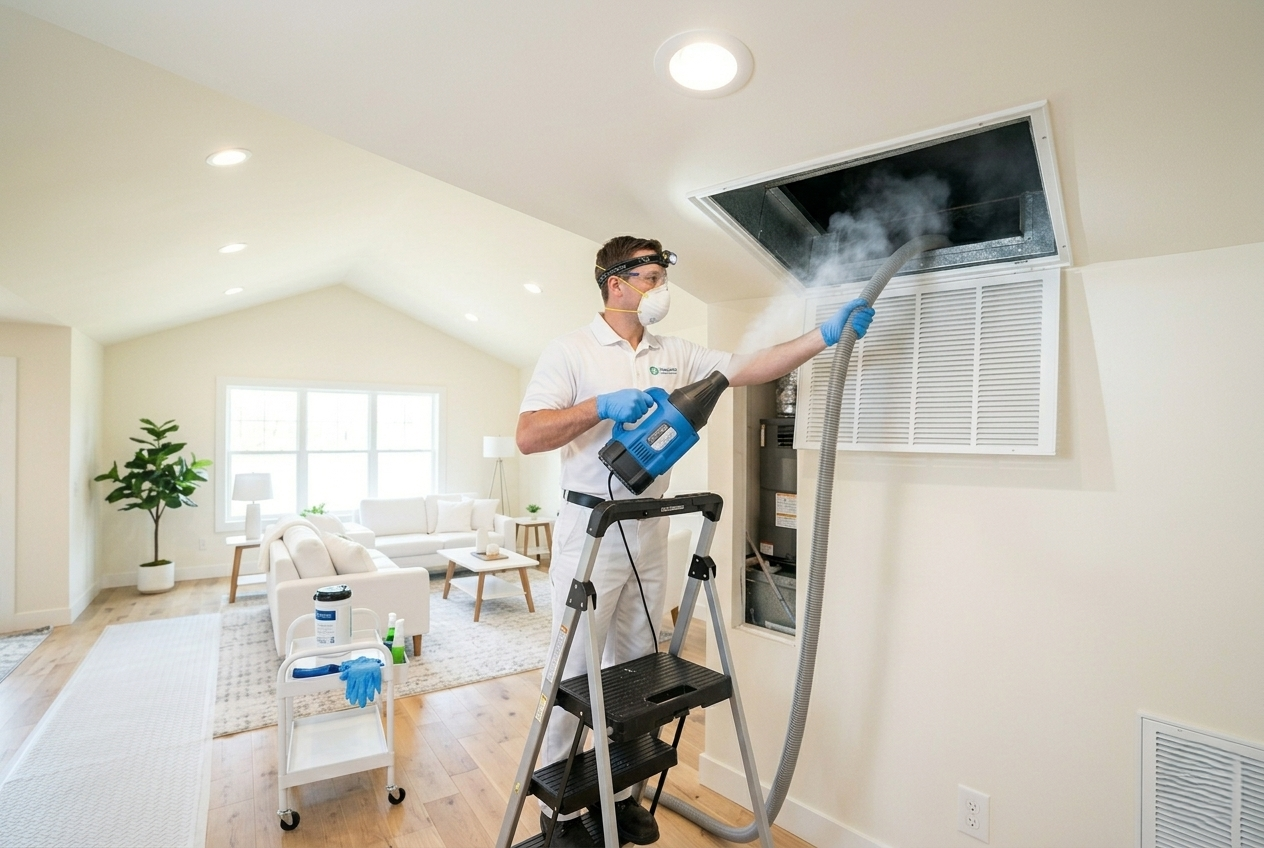
A professional dryer vent cleaning involves a full inspection of the duct, a rotary brush system combined with a high-powered vacuum to pull out debris, and a final airflow test to confirm everything is clear. It's thorough, fast, and genuinely worth it.
How Often Should You Clean It?
For most Michigan households, once a year is the minimum. If your home has a big household, pets, or extended ductwork, cleaning it twice a year is a better choice. The best time to schedule it is before fall — right before the season when your dryer gets the heaviest use and your vents are most vulnerable to frost and wildlife.
Act Before The Warning Shows Up.
The reality is that many homeowners rarely pay attention to their dryer vent until a problem shows up. But a blocked vent fire doesn't give you much warning.
If you're in West Michigan and it's been more than a year since your dryer vent was last cleaned — or if you've never had it done — reach out to Lakeshore Air Duct Cleaning. Their team serves homeowners across West Michigan with professional dryer vent and air duct cleaning services designed to keep your home safe, efficient, and running the way it should.
Schedule your inspection before the busy season hits. A simple action like this can help avoid a much larger issue down the line.
You might also like