Allergy Season Prep: How Filter Upgrades Can Protect Your Family
What every homeowner should know about allergy season and air filters
If you live in West Michigan, you already know allergy season doesn't just visit — it moves in for months at a time. Between spring tree pollen, summer grass, and fall ragweed (not to mention the mold that thrives in our humid lake-effect air), local homeowners deal with a long, layered allergy calendar. And while most people think about allergy relief in terms of medicine or keeping windows shut, there's a simpler, often-overlooked fix sitting right inside your HVAC system: your air filter.
One of the simplest steps you can take this allergy season is upgrading your filter to improve your home’s indoor air quality and protect your family. Here's what you need to know.
Why West Michigan Allergy Season Hits Hard
Our region gets a uniquely tough allergy lineup. Tree pollen peaks in spring, grass pollen takes over by early summer, and ragweed dominates late summer into fall. Layer on the humidity rolling off Lake Michigan, and you've got ideal conditions for mold spores to thrive indoors as well as out.
Many homeowners assume allergens are an outdoor problem, but pollen, dust, and mold spores easily make their way inside — through open windows, doors, and even your HVAC system as it circulates air throughout the house. Once allergens get inside, your filter becomes your first line of defense.
The Hidden Role of Your HVAC Filter
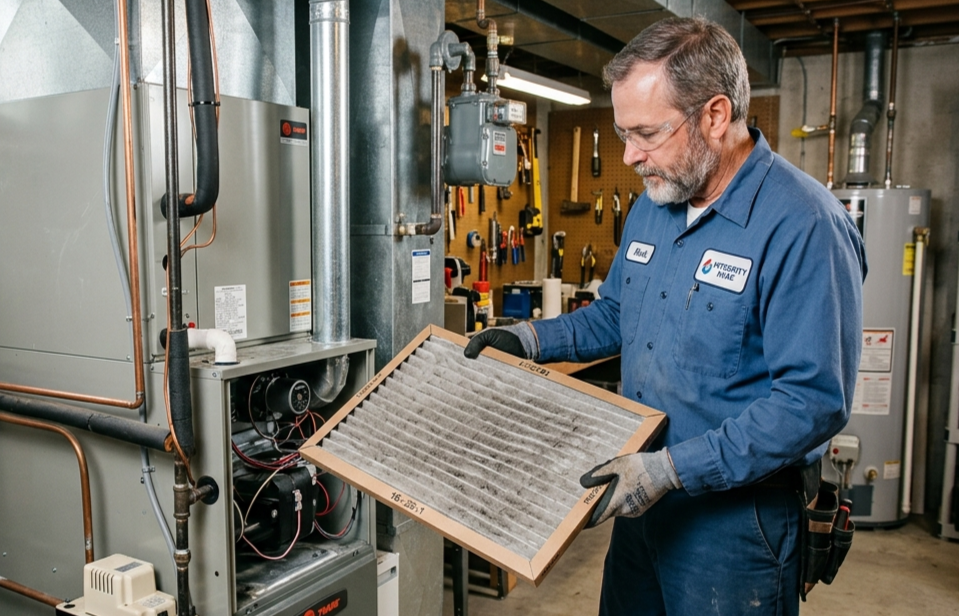
Your furnace or AC filter does more than protect your equipment — it directly affects the air your family breathes every day. While air circulates through your system, the filter works to trap dust, pollen, pet dander, and other contaminants before they re-enter your living space.
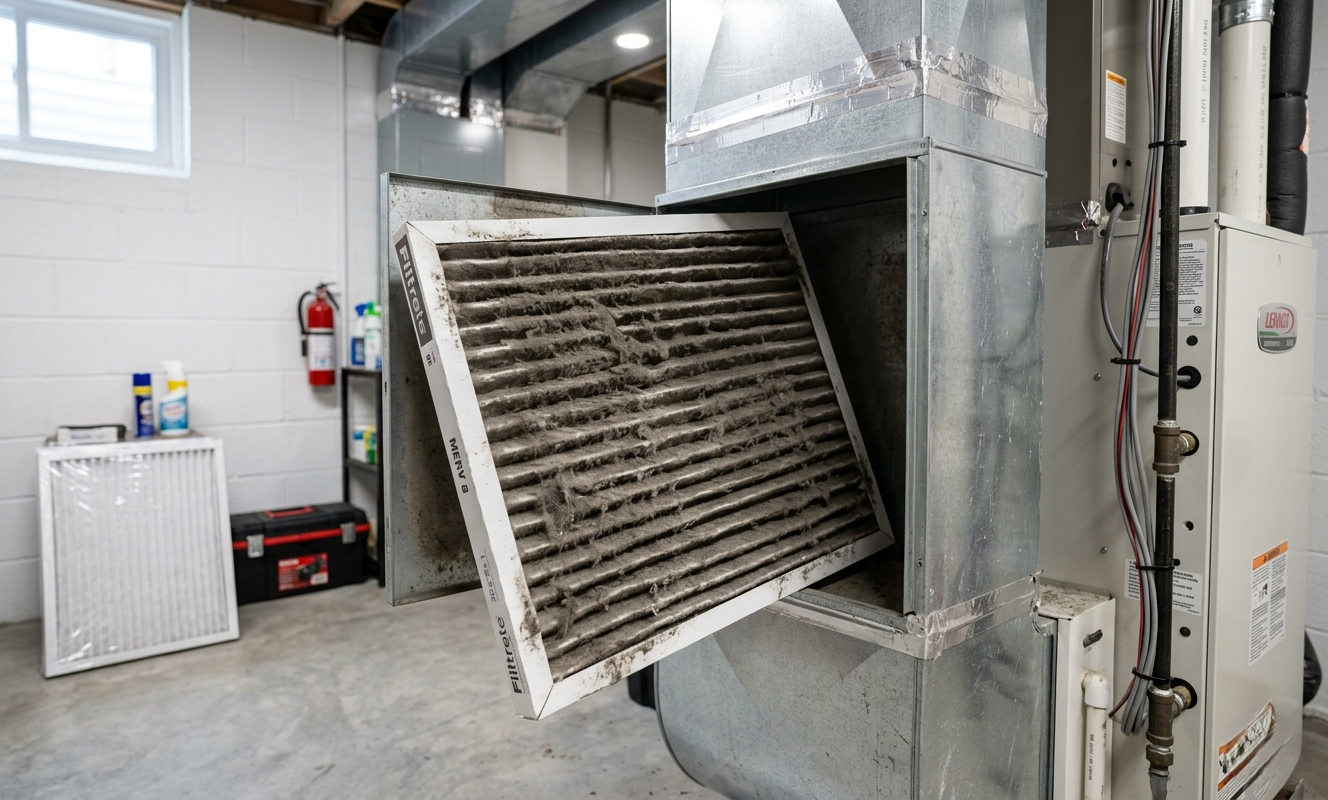
The problem is, filters wear out fast, especially during high-pollen months. A clogged or outdated filter can't capture allergens effectively, which means more of them end up circulating through your home. For families dealing with allergies or asthma, this can mean more sneezing, congestion, and flare-ups — even indoors.
Understanding MERV Ratings (Keep It Simple)
Every filter carries a MERV (Minimum Efficiency Reporting Value) score that measures its ability to trap particles of different sizes. Higher numbers mean finer filtration.
For most allergy-prone households, a MERV rating between 8 and 13 is the sweet spot. It's high enough to capture pollen, dust, and many mold spores, without being so restrictive that it strains your HVAC system.
That last part matters: a common mistake is assuming "higher is always better." Extremely high MERV filters (like hospital-grade ratings) can actually restrict airflow in residential systems not designed for them, leading to reduced efficiency or added wear on your equipment. The right filter is about balance — strong enough to filter allergens, but compatible with your system.
Explore Your Filter Upgrade Options
Some filters do things differently than others—here’s a quick breakdown:
- Fiberglass filters – Inexpensive and good for basic dust protection, but they don't capture smaller allergens well.
- Pleated filters – A popular middle-ground option. More surface area means better filtration of pollen and dust without overly restricting airflow.
- HEPA-style/high-efficiency filters – Excellent for trapping fine particles like mold spores and pet dander, though not all residential systems can handle them — check compatibility first.
- Electrostatic and washable filters – Reusable and effective at catching airborne particles, though they require regular cleaning to stay effective.
The best choice depends on your household's needs and your HVAC system's specifications, so it's worth checking your owner's manual or asking a professional before upgrading.
Beyond the Filter: Supporting Clean Air at Home
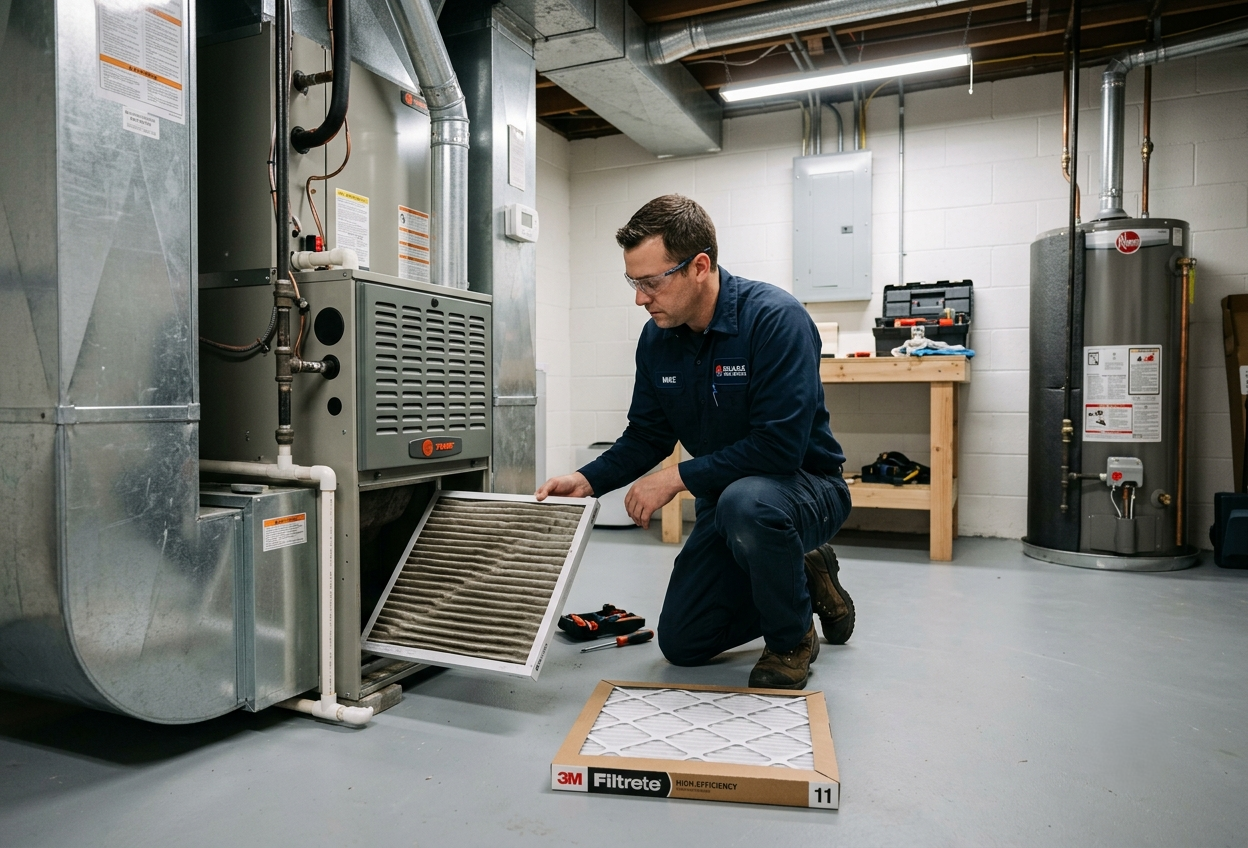
A fresh filter helps, but it doesn’t solve everything. Check it every month and replace it every 1–3 months, especially during peak pollen times when it gets dirty faster.
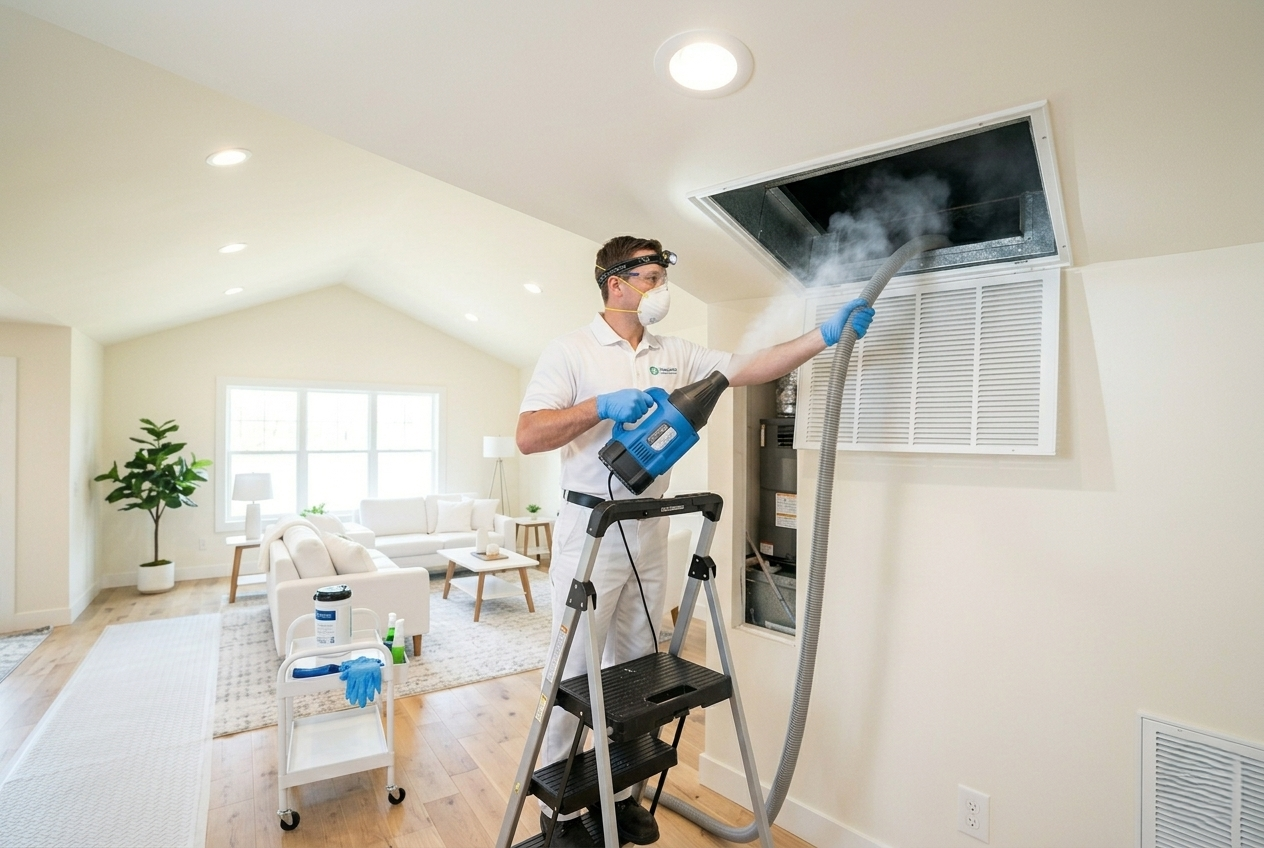
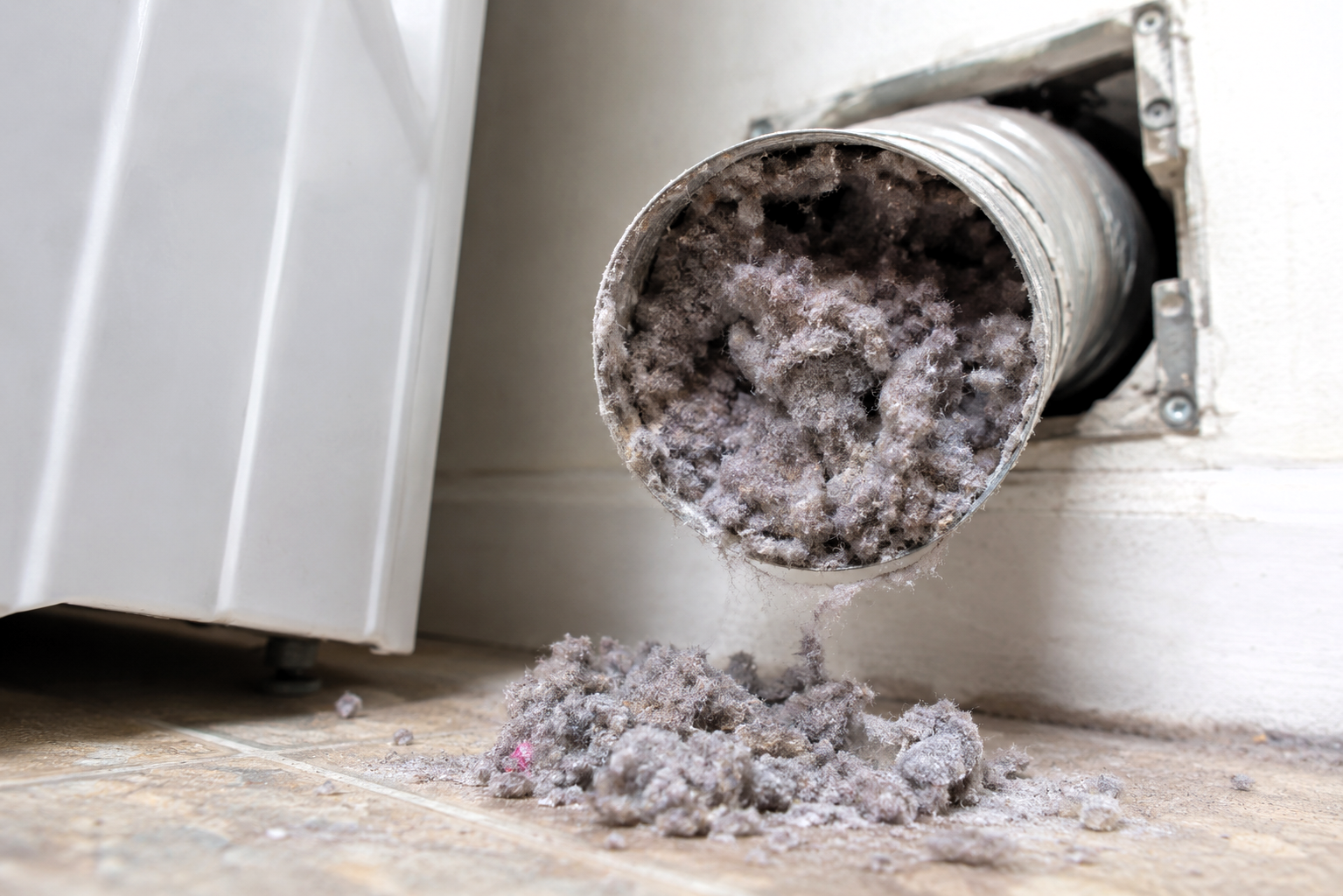
It's also worth considering what's happening inside your ductwork. Even a brand-new filter can't fully protect your air quality if your ducts are coated in dust, pollen, or mold buildup. If you’re seeing dust around your vents, smelling a musty odor when your system kicks on, or noticing that some rooms get more airflow than others, your ducts could be circulating allergens.
Simple Allergy-Season Prep Checklist
Here's a quick list to help you get ahead of allergy season:
- Check and replace your HVAC filter
- Choose a MERV 8–13 filter suited to your system
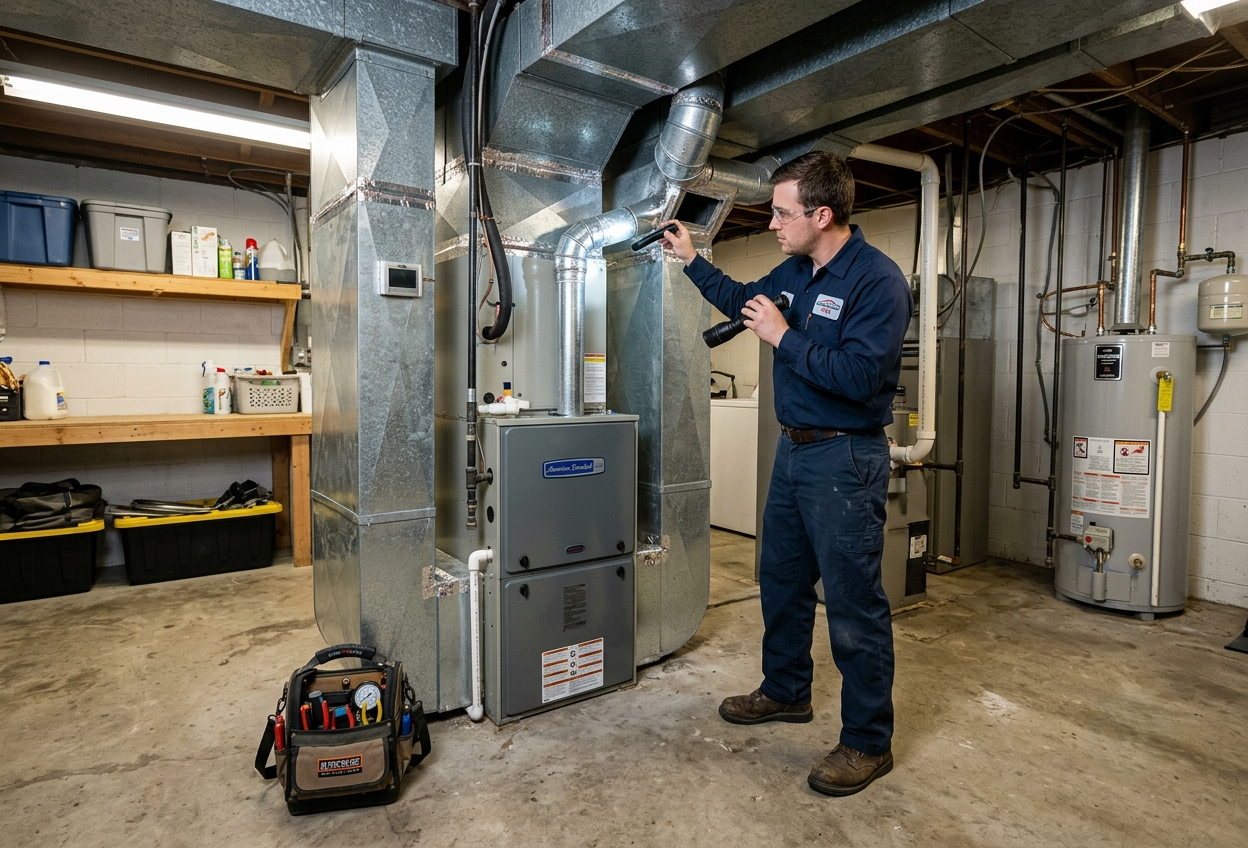
- Schedule a professional duct inspection
- Clean vents and registers regularly
- Monitor indoor humidity to discourage mold growth
Final Thoughts
Allergy season in West Michigan isn't going anywhere, but a few proactive steps — starting with your HVAC filter — can make a real difference in how your family feels at home. Small upgrades now mean fewer sniffles, less congestion, and cleaner air to breathe all season long.
Ready to breathe easier this allergy season?
Contact Lakeshore Air Duct Cleaning today to schedule your duct inspection and get a personalized filter recommendation for your home. Providing West Michigan homes with elevated indoor air quality and comfort
You might also like