Dryer Vent Cleaning vs. Lint Trap Cleaning: What’s the Difference?
What you need to know about lint trap cleaning vs. dryer vent cleaning
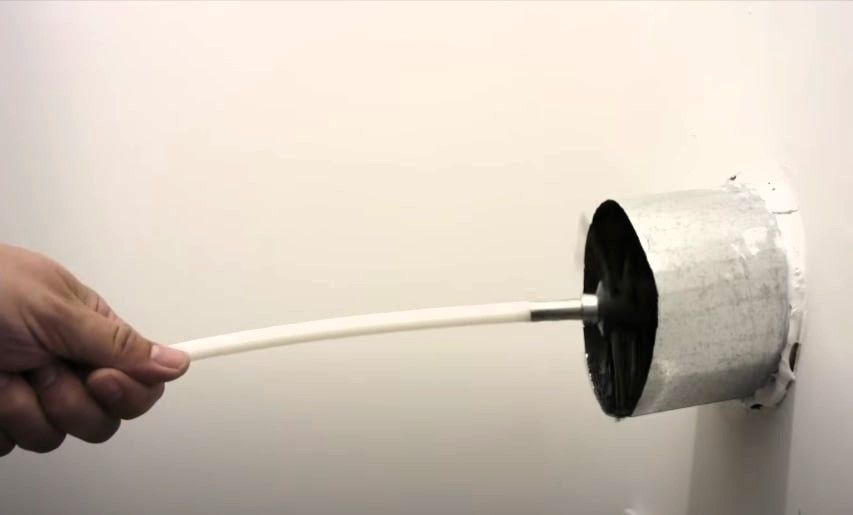
A lot of us just toss our laundry in the dryer, press “start,” and move on with our day. Clearing the lint trap has become second nature—it’s just one of those things you do without thinking. But here’s the catch: cleaning the lint trap isn’t the same as cleaning the dryer vent. Confusing one for the other might end up costing you valuable time, hard-earned money, and the safety of your home.
So let’s break it down: lint trap cleaning vs. dryer vent cleaning. What’s the difference, why do both matter, and how can you keep your dryer running safely and efficiently?
Lint Trap Cleaning: The Everyday Habit
The lint trap is that little screen you pull out of the dryer after a load. It’s small but mighty—catching most of the fuzz and fibers your clothes shed. Cleaning it is simple: pull, swipe, done. Ideally, you’re doing this after every single load.
Here’s why that tiny step matters:
- Faster drying: A clean lint trap means hot air can flow better, which can cut drying time in half.
- Energy savings: Shorter cycles = lower bills.
- Fire prevention: Lint is basically kindling. Clearing it out removes the most immediate hazard.
For bonus points, rinse the screen every now and then with a little warm water and soap. Dryer sheets and fabric softener can leave behind a film that clogs the mesh.
Here’s the catch—no matter how faithful you clear out the lint trap, it’s still only grabbing the bulk of the fluff, not all of it. Some of it always slips through.
Dryer Vent Cleaning: The Part You Don’t See
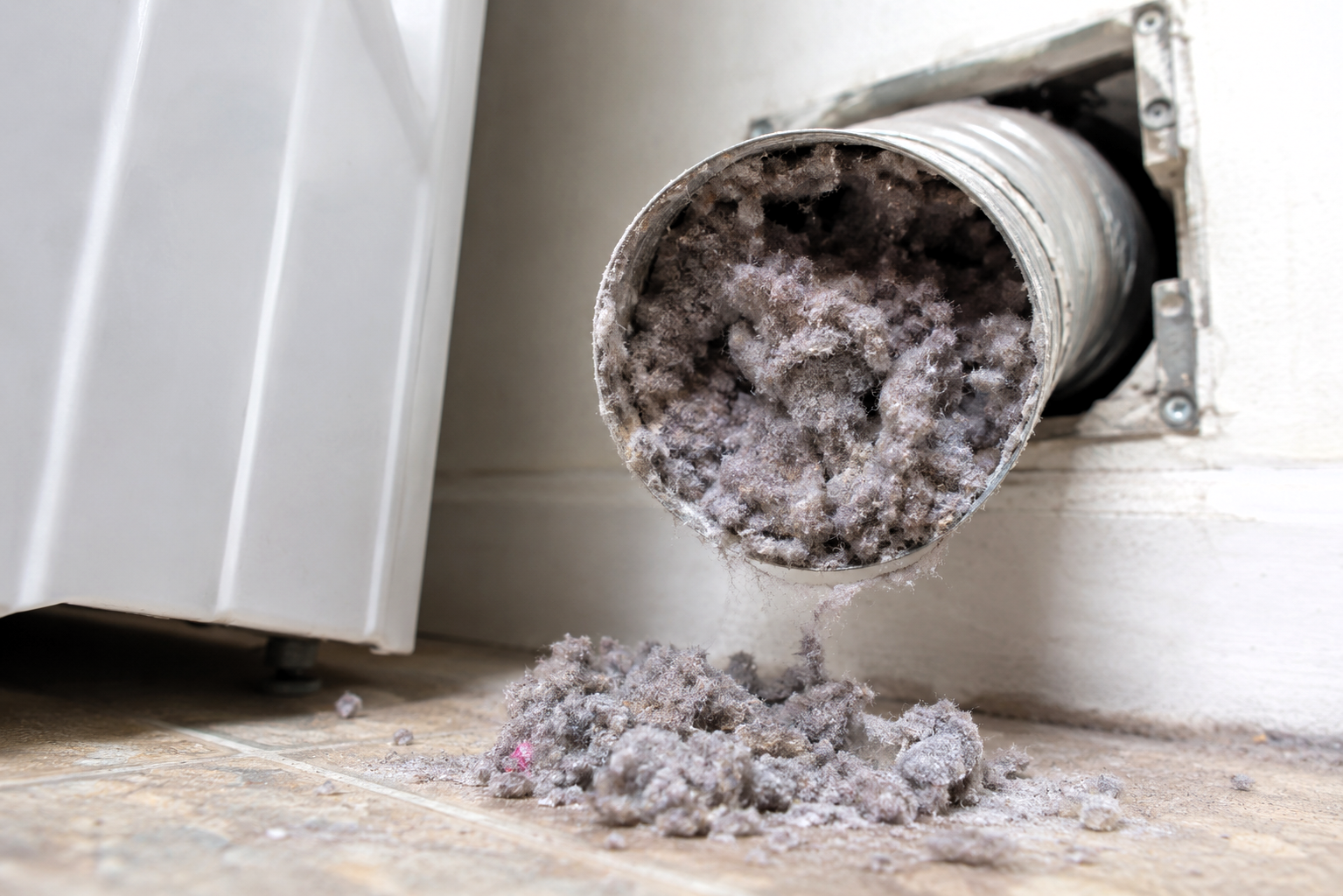
The dryer vent is the long tube that snakes out the back of your dryer and leads outside. This is where the real danger hides. Over time, all that lint the trap missed builds up inside the vent.
When airflow gets blocked, you start to notice:
- Clothes take forever to dry.
- The dryer (and even your laundry room) feels hotter than it should.
- Your energy bill starts creeping up.
- Worst case, lint build-up overheats and becomes a fire risk.
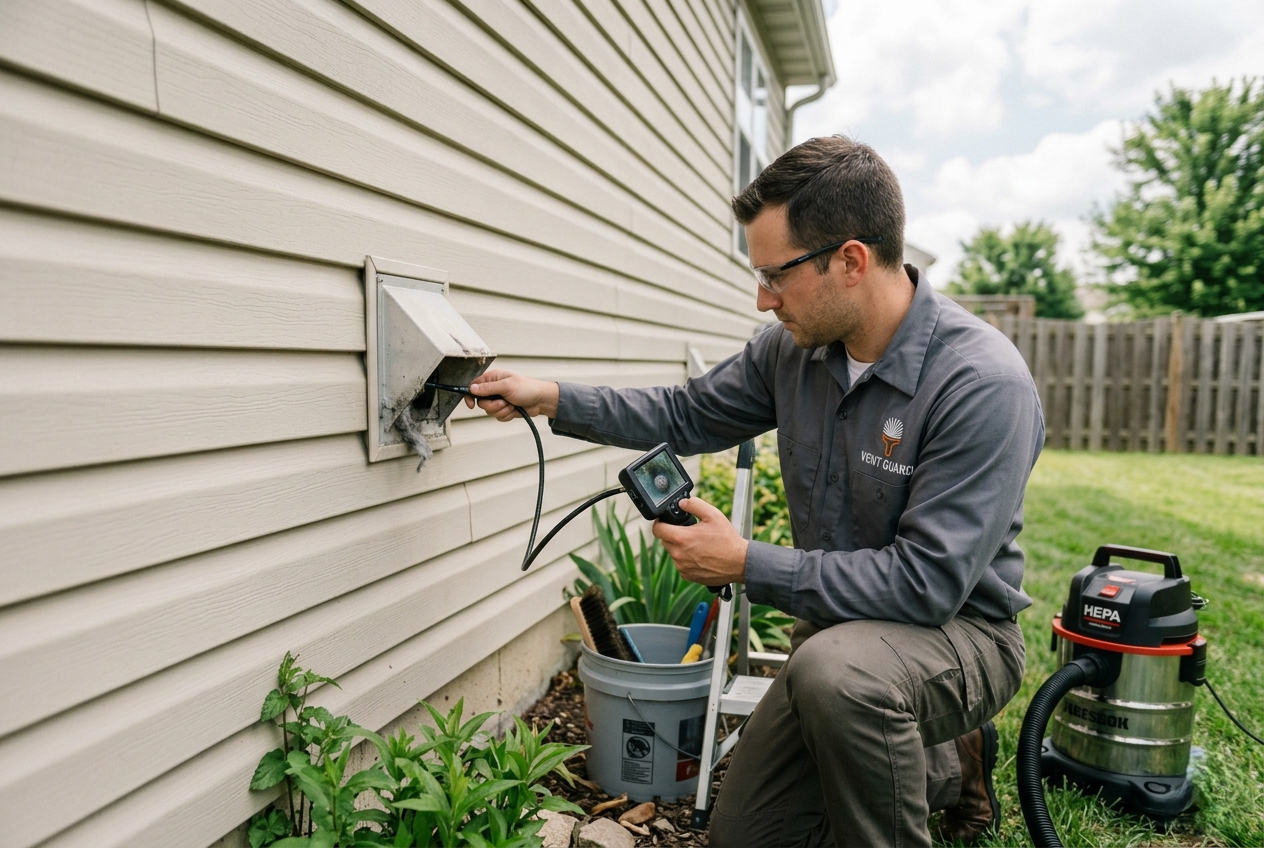
A quick swipe won’t make this one disappear. Dryer vents often run behind walls or through crawl spaces, which makes them tricky to clean without the right tools. That’s why professionals use powerful vacuums and specialized brushes to clear them out completely.
Experts recommend a full vent cleaning at least once a year—or every 6–9 months if you’ve got a big family, pets, or just do a lot of laundry. Just like an oil change keeps your car happy, this keeps your dryer running safely and efficiently.
Why You Need Both
If you only clean the lint trap, you’re stopping problems you can see. If you only clean the vent, you’re missing the everyday maintenance that keeps things efficient. Together, they work hand-in-hand:
- Lint trap cleaning = the daily habit that keeps your dryer happy.
- Dryer vent cleaning = the
deeper maintenance that keeps your home safe.
Skipping one is like brushing your teeth but never visiting the dentist (or vice versa). It might work for now, but those problems won’t stay hidden forever.
Warning Signs Your Dryer Vent Could Be in Trouble
Wondering if it might be time for a professional cleaning? Here are some signs you don’t want to ignore:
- The clothes are drying way more slowly than they normally do.
- A laundry room that feels hot and steamy after a cycle.
- A burning or “hot” smell when the dryer runs.
- Dust or lint is starting to build up around the outside vent.
If you’re noticing these issues, it’s a clear hint that your vent needs some serious attention.
A Quick Homeowner’s Checklist
- Empty the lint trap after
every load.
- Wash the trap screen with warm water and soap once a month.
- Keep an eye on drying times and airflow outside.
- Skip running the dryer if you’re not around—lint fires are no joke.
- Schedule professional vent cleaning once a year—or sooner if you notice the warning signs.
West Michigan Homeowners: Stay Ahead of the Problem
Here’s the bottom line: cleaning your lint trap is good. Cleaning your dryer vent is essential. Together, they protect your home, your energy bill, and your family’s safety.
At Lakeshore Air Duct Cleaning, we specialize in professional dryer vent cleaning that clears out hidden lint, restores airflow, and helps keep your family safe. We know what it takes to maintain homes in our community, and we’re here to make sure your dryer runs as efficiently—and safely—as possible.
Give Lakeshore Air Duct Cleaning a
call today and keep your home safe, efficient, and ready to handle all the laundry you can throw its way.
You might also like