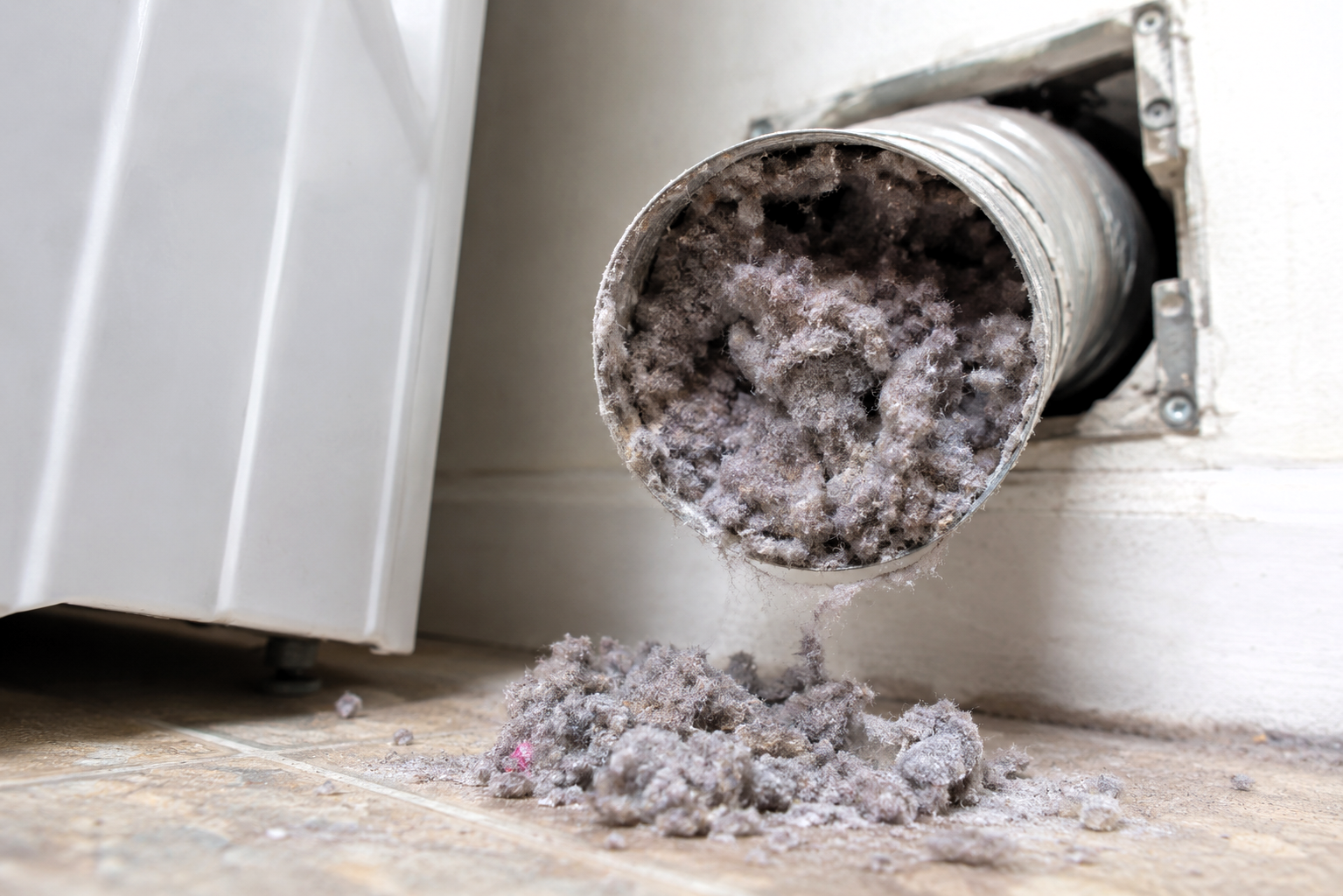
The Best Way to Seal Ducts: Tape vs. Mastic and Why It Matters
How to choose between duct tape and mastic for lasting air duct sealing
Have you ever walked through your home and felt like one room is a freezing tundra in the dead of winter, while another swelters like a sauna in the summer? Or noticed your energy bills creeping higher, even though your habits haven’t changed at all? The sneaky culprit could be hiding right above your head—or under your floor—in your ductwork.
More homes suffer from leaky ducts than many owners might think. They waste energy, make your home less comfortable, and can even let dust and allergens sneak into the air you breathe. Luckily, putting things right is simpler than it sounds. The tricky part is choosing the right method: duct tape or mastic sealant. Let’s simplify things and explain it in clear, straightforward terms.
The Real Impact of Sealing Your Air Ducts
Think of your ducts like the veins of your HVAC system. They carry heated or cooled air to every room in your home. But whenever leaks occur, a portion of that air never makes it into your home.
The result:
- Higher energy bills because your furnace or AC has to work overtime
- Rooms that can’t seem to agree—one blazing hot, another ice-cold
- An uptick in airborne irritants and dust
Here in West Michigan, where winters can get bitterly cold and summers sticky, leaky ducts can make a noticeable difference in comfort—and in your wallet.
Duct Tape: A Quick Fix That Doesn’t Last
Duct tape is cheap, familiar, and easy to slap on a leak. It seems perfect at first glance. But here’s the catch: it usually doesn’t last.
Over time, duct tape dries out, cracks, or peels off. That “quick fix” you applied last winter might be useless this year. If your goal is a long-term solution, duct tape probably won’t cut it.
Mastic Sealant: The Long-Term Solution
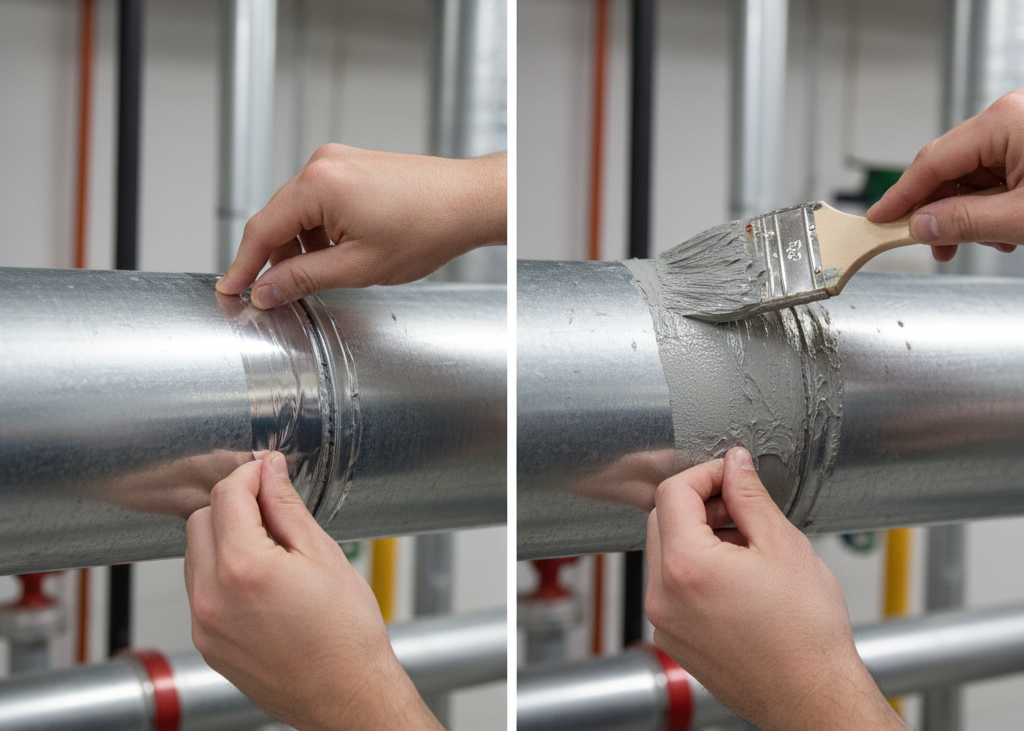
Mastic is a dense, paste-like substance that experts apply over duct seams to form a durable, flexible seal. For larger openings, they typically reinforce it with mesh to prevent any leaks.
It takes a little more time to apply than tape, but mastic sticks, flexes with temperature changes, and lasts for years. The payoff? Even temperatures throughout your home, reduced energy costs, and a longer-lasting HVAC system.
Choosing Between Tape and Mastic: Essential Facts
If you’re trying to decide between tape and mastic, here’s the key takeaway:
- Tape is temporary. It’s fine for quick, small repairs, but it’s not reliable for whole-home sealing.
- Mastic is permanent. It’s durable, long-lasting, and the best choice for homeowners who want consistent comfort and energy savings.
For most West Michigan homes, especially older houses with extensive ductwork, mastic is the clear winner.
Identifying Leaks in Your Home’s Ductwork
Wondering if your ducts are quietly wasting energy? These are some key indicators to notice:
- Temperature trouble zones: Certain rooms just never hit the right comfort level, no matter how you adjust the thermostat.
- Energy costs on the rise: Your heating and cooling bills are climbing, even though your daily usage hasn’t shifted.
- Air or dust escaping from ducts: You might notice a slight breeze or dust puffing out where the seams meet.
- Old tape peeling off: If duct tape you used in the past is curling or falling off, air is probably slipping through.
Even tiny leaks can make a big difference over time, so if any of these sound familiar, it’s worth checking your ductwork sooner rather than later.
DIY vs. Professional Sealing
It’s tempting to grab some tape and try sealing your ducts yourself, and for tiny leaks, that can sometimes work. But it’s easy to miss gaps or apply the seal incorrectly, which can leave your system running inefficiently and your home less comfortable.
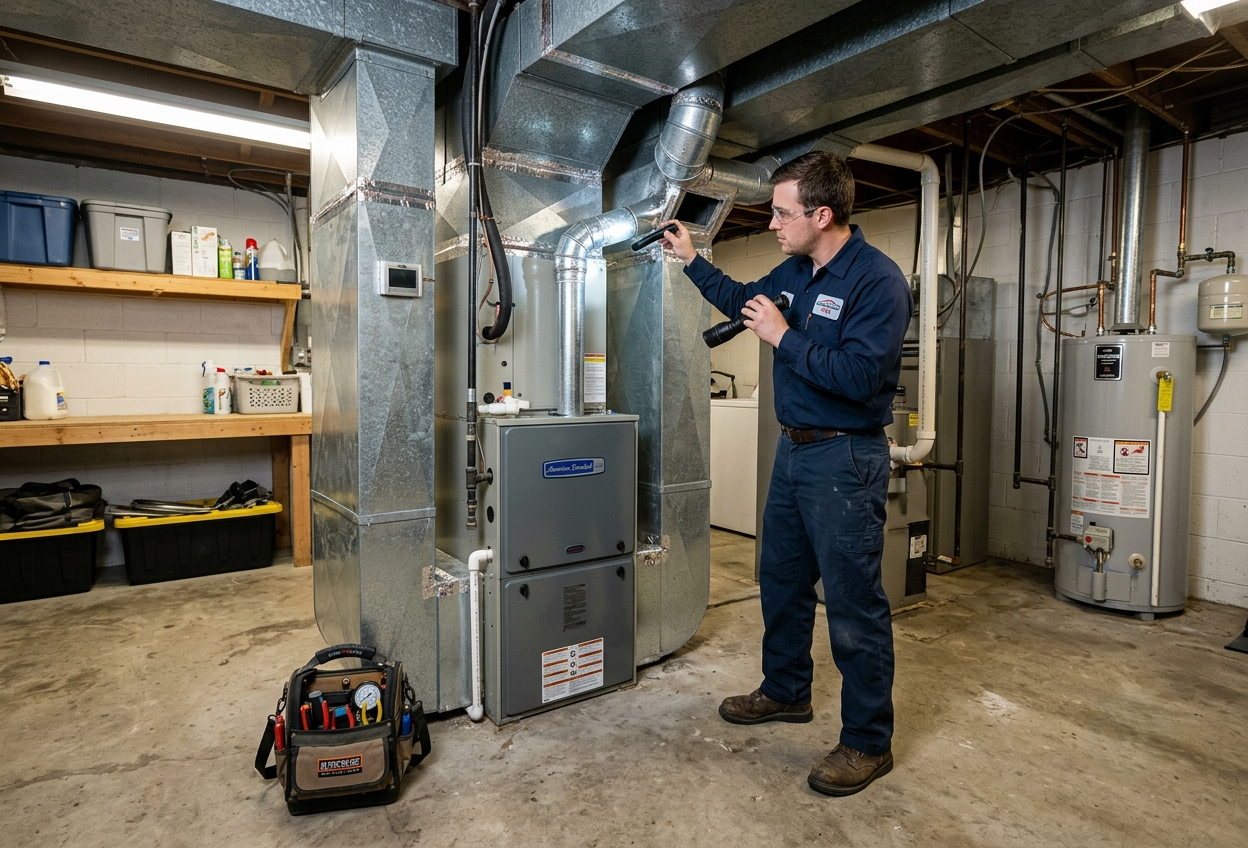
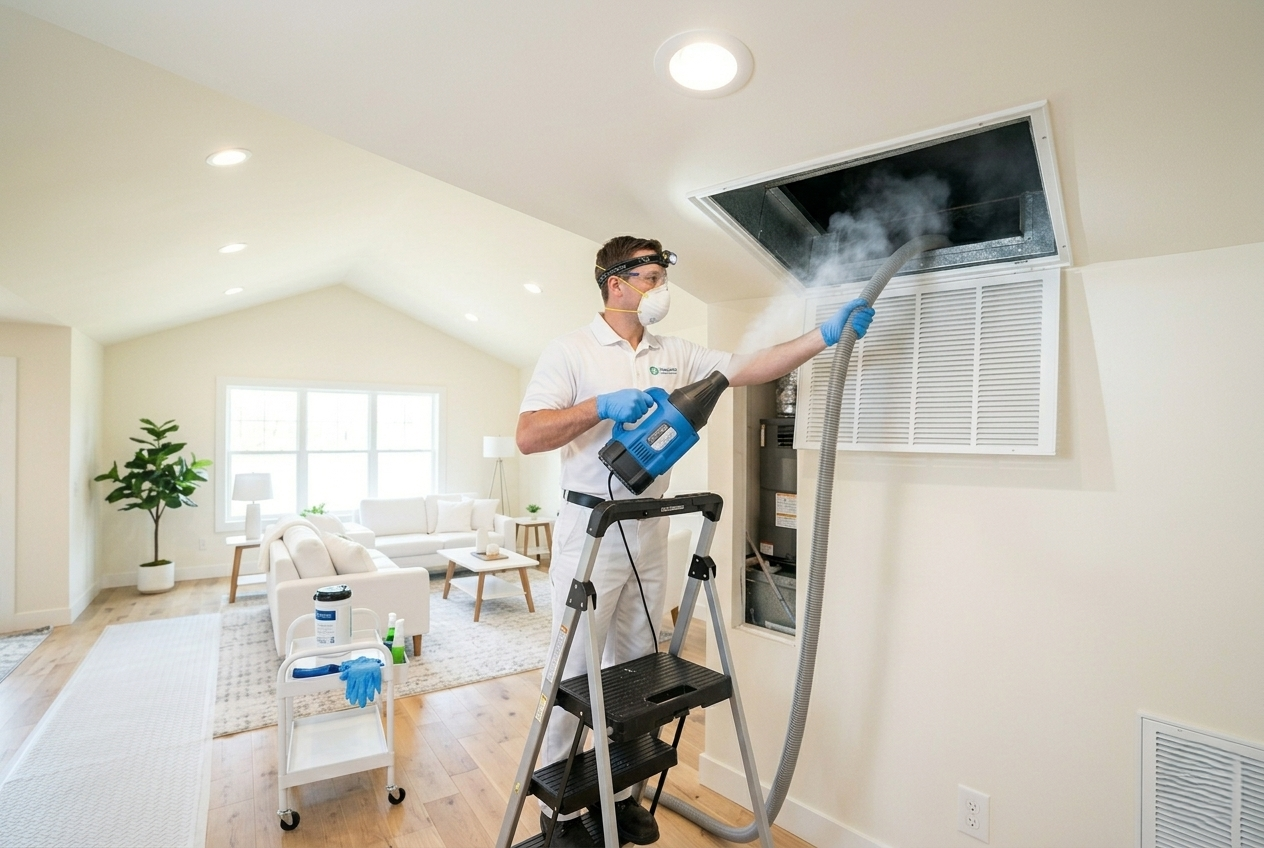
A professional, like Lakeshore Air Duct Cleaning, can thoroughly inspect your ducts for hidden leaks, clean them to improve airflow, and apply mastic for a long-lasting, reliable seal. The outcome is a home that feels cozy in every season, energy costs that stay in check, and air so fresh you’ll actually notice the difference.
Take Action and Seal Your Ducts the Right Way
Don’t rely on short-term tape fixes that peel or fail over time. For lasting duct sealing in West Michigan, trust the experts at Lakeshore Air Duct Cleaning. They’ll inspect your ducts for hidden leaks, clean them for better airflow, and apply mastic to create a permanent, reliable seal. Keep your home inviting all year, cut down on energy expenses, and enjoy cleaner indoor air.
Sealing your ducts the right way is simple: tape is temporary, mastic is permanent. Taking action now is the smartest way to avoid wasted energy, high utility bills, and recurring comfort problems.
Reach out
to Lakeshore Air Duct Cleaning now to book your expert duct inspection and sealing service.
You might also like