Understanding the Different Types of Ductwork and Their Maintenance Needs
What every homeowner should know about ductwork types and their maintenance
When you adjust your thermostat, you probably don’t think about what happens next. But behind your walls and ceilings, a whole network of air ducts goes to work — quietly carrying warm or cool air to every room in your home.
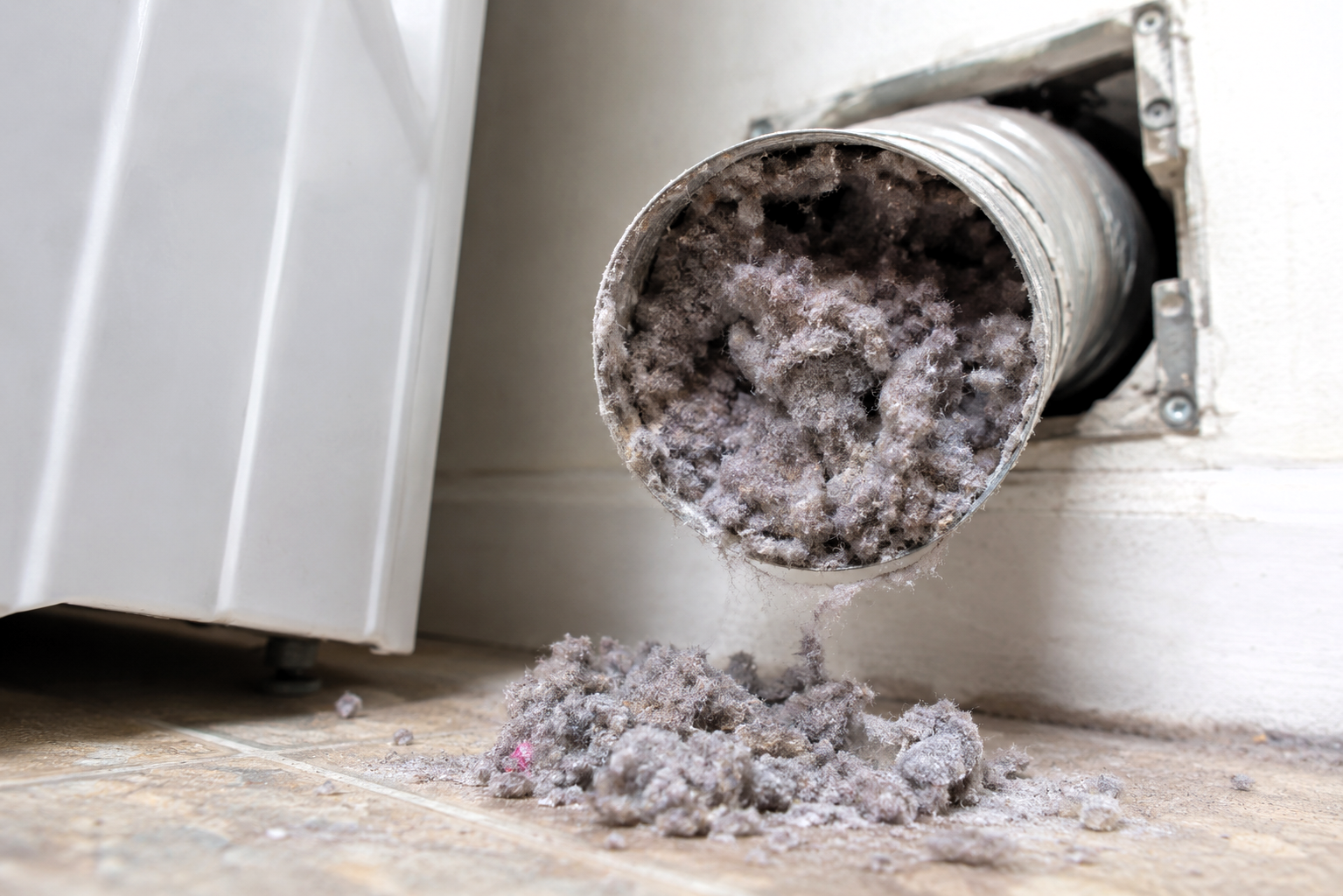
Over time, those ducts can collect dust, develop leaks, or wear out — and that can affect everything from your energy bills to the air you breathe. What many homeowners don’t realize is that not all ductwork is the same. Different materials and setups need different kinds of care.
So, let’s take a closer look at the most common types of ductwork you’ll find in West Michigan homes, what makes each one unique, and how to keep them clean and efficient for years to come.
1. Sheet Metal Ducts — Strong, Reliable, and Built to Last
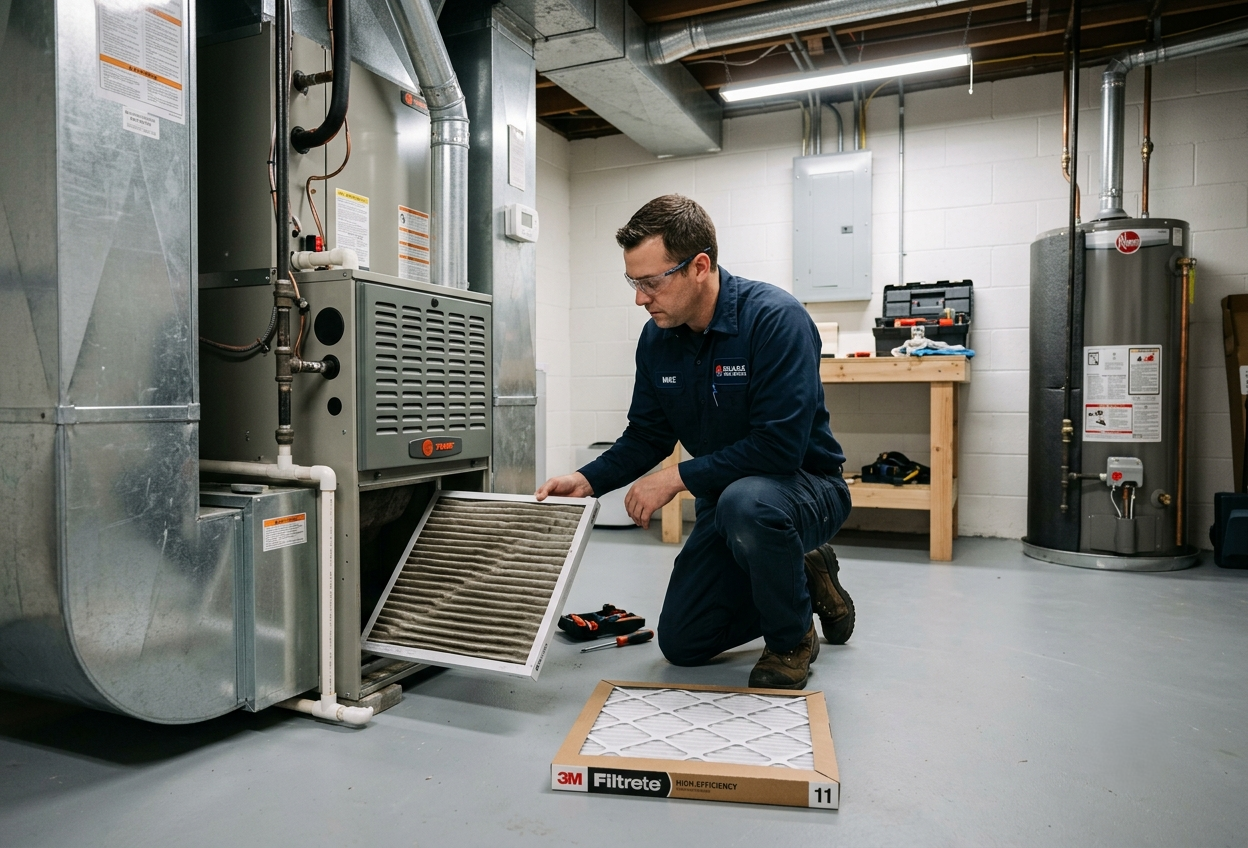
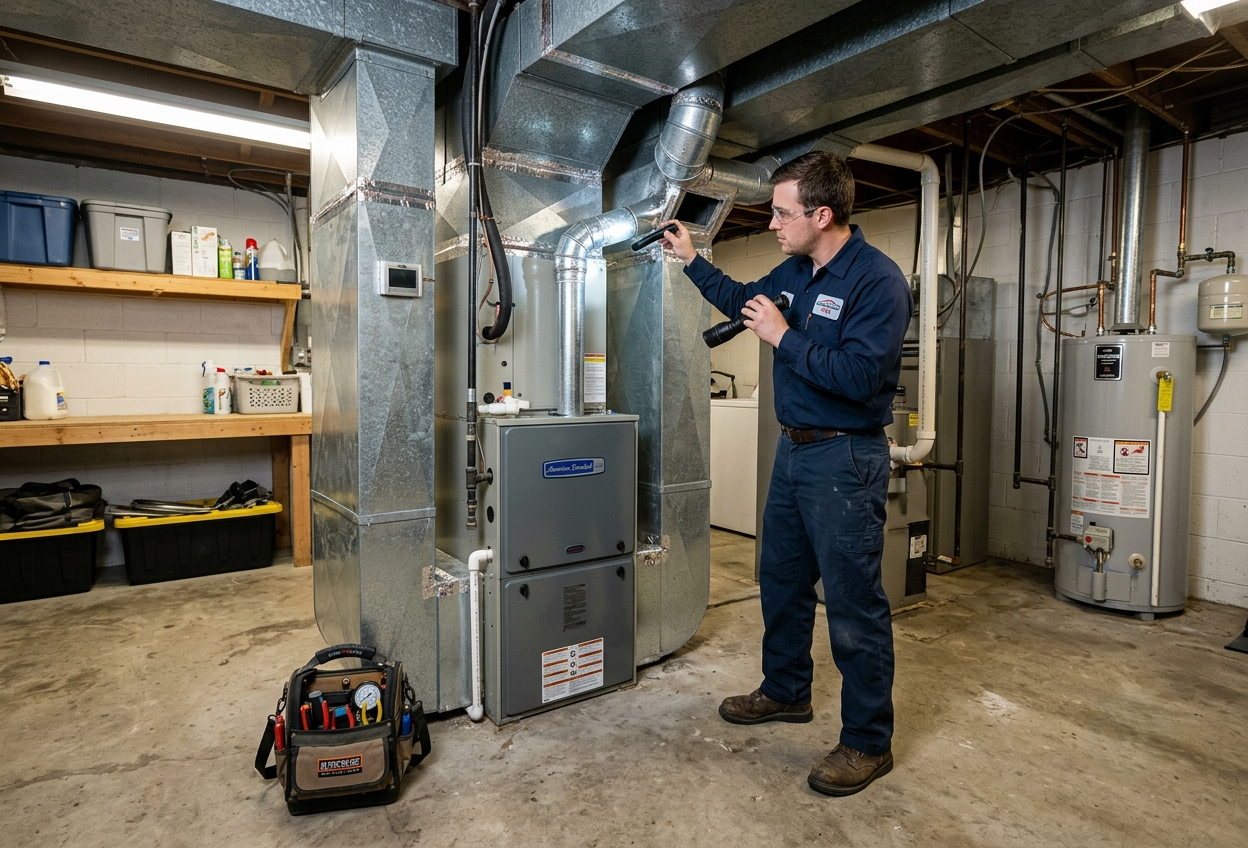
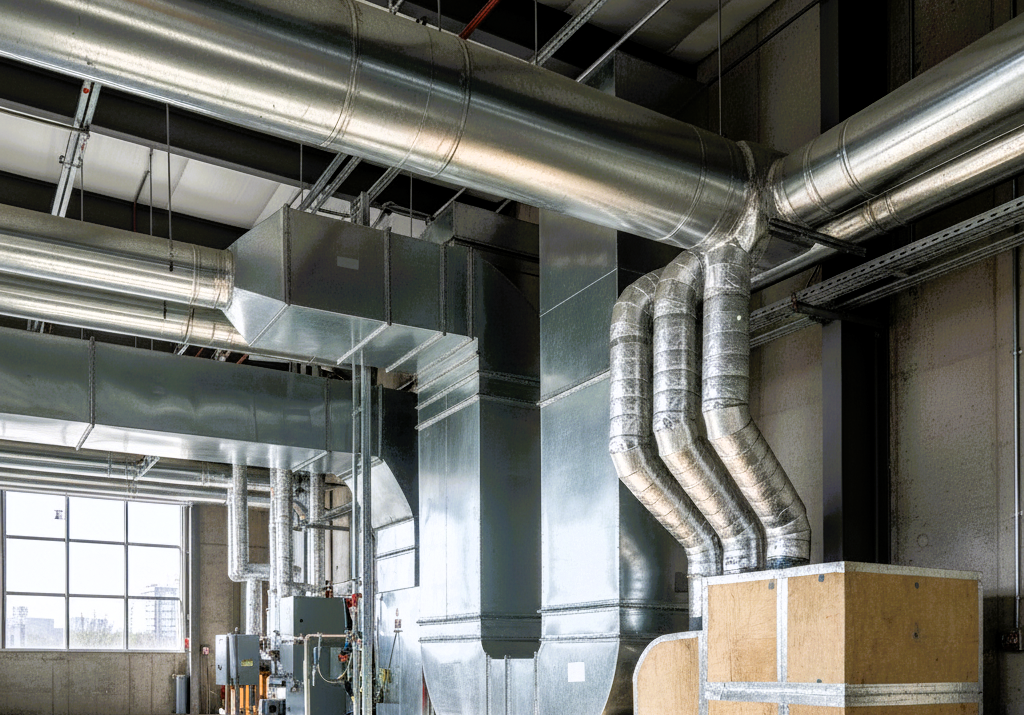
If you have visible metal ducts in your basement or utility room, you’re looking at sheet metal ducts. Made from strong metal like galvanized steel or aluminum, these ducts are built to handle years of use without breaking a sweat.
Why they’re great: They don’t absorb moisture, they’re resistant to mold, and they hold up well over time.
How to take care of them:
- Check seams and joints once a year for small air leaks.
- Look out for rusty patches or bends that might hint at wear and tear.
- Clean them every few years — their smooth surfaces make that process easy.
- Insulate any ductwork that passes through unconditioned spaces such as attics or crawlspaces to prevent energy loss.
Pro tip: If your energy bills suddenly spike, your metal ducts might have tiny leaks letting air escape.
2. Flexible Ducts — Easy to Install, Easy to Damage
You’ve probably seen flexible ducts before — they look like large silver dryer hoses. They’re lightweight and bendy, which makes them great for connecting vents in tight spots.
Why homeowners like them: They’re affordable, quick to install, and versatile.
What to watch for: Because they’re flexible, they can also sag, twist, or tear easily — and when that happens, airflow suffers.
How to keep them in good shape:
- Make sure they’re supported so they don’t droop.
- Avoid sharp bends or kinks.
- Inspect for punctures or crushed spots, especially in basements or attics.
- Clean gently — rough brushing can tear the inner liner.
3. Fiberboard Ducts — Quiet and Insulated
Fiberboard ducts are made from fiberglass panels covered in a foil coating. They’re naturally insulated and tend to dampen sound, which makes them a quiet option for homes.
The good: They’re efficient and help control noise.
The not-so-good: Fiberboard can hold onto moisture, which can lead to mold growth if humidity gets too high — especially in our Michigan summers.
Here’s how to take care of them:
- Gently clean using a soft brush or light vacuum pressure.
- Keep your home’s humidity under control.
- Replace any sections that look frayed or discolored inside.
Homeowner note: If your ducts smell musty or you’ve had high humidity, it’s worth getting them inspected.
4. Fiberglass-Lined Metal Ducts — The Quiet Performer
Some metal ducts are lined inside with fiberglass to help with insulation and noise. They’re typically found in commercial buildings, though a few homes use them as well.
Why they’re useful: They help reduce noise and regulate temperature inside the ducts.
Maintenance tips:
- Clean gently to protect the fiberglass lining.
- Make sure the insulation is still snug and hasn’t started to peel or droop.
- Reduce moisture in the air to discourage mold growth.
Pro tip: If your vents smell musty when the air kicks on, the lining could be harboring dust or moisture.
5. Duct Shapes — Round, Rectangular, or Spiral
While duct material matters, so does shape.
- Round or spiral ducts are the most efficient for airflow and have fewer seams where leaks can form.
- Rectangular ducts fit into tighter spaces, like between joists or walls, but tend to collect more dust in corners.
Simple care tip: No matter the shape, make sure seams are sealed and that you occasionally clean dust buildup around corners or flat surfaces.
6. Hybrid Systems — The Most Common Setup in Homes
Most homes in West Michigan actually have a combination of duct types — metal for the main lines and flexible ducts for the smaller branches.
How to care for them:
- Inspect each section based on its material (metal, flex, or fiberboard).
- Pay extra attention to connections — where different duct types meet is where leaks love to form.
- Regular professional checkups every few years help uncover hidden duct problems and keep your system running smoothly
7. Specialty Ducts — For Kitchens and Commercial Spaces
Running a restaurant or commercial space? Your building likely has special ducts designed to handle grease, smoke, or other heavy air contaminants. These need more frequent, professional cleaning because they handle heavy buildup and follow safety codes.
For most homeowners, though, the focus is on keeping standard HVAC ducts clean and sealed.
8. The Golden Rule: Keep Your Ducts Sealed and Insulated
No matter what type of ducts you have, keeping them sealed and insulated is key to saving energy and keeping your home comfortable.
Even small duct leaks can let a surprising amount of air escape — wasting energy and leaving your home unevenly heated or cooled.
What you can do:
- Seal joints with HVAC-grade mastic or foil tape (not standard duct tape).
- Add insulation in attics, crawlspaces, or basements.
- Schedule a
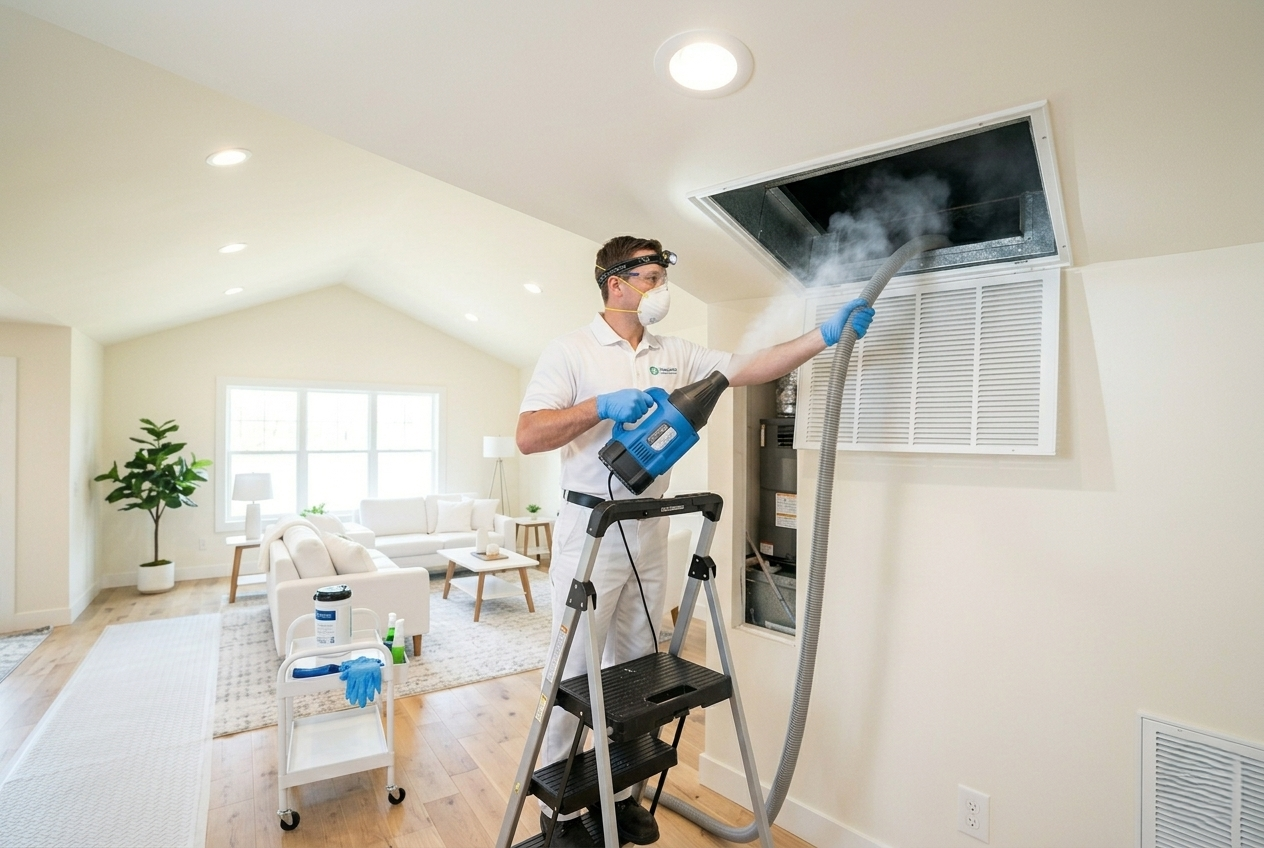
professional duct cleaning every few years to clear out dust and check for leaks.
Quick check: If you notice one room is always warmer or cooler than others, you might have a duct leak somewhere in the system.
Breathe Easier with Clean, Well-Maintained Ducts
Your ductwork might be out of sight, but it’s one of the hardest-working parts of your home. Keeping it clean and properly maintained helps you breathe healthier air, lower energy costs, and extend the life of your HVAC system.
Here in West Michigan, where weather swings from humid summers to freezing winters, clean and sealed ducts make a big difference in comfort and air quality.
If it’s been a while since your last cleaning — or you’re not sure what type of ductwork you have — let the experts at Lakeshore Air Duct Cleaning help. We clean, seal, and maintain all kinds of ductwork to keep lakeshore homes comfortable year-round.
Call Lakeshore Air Duct Cleaning today to schedule your free duct inspection and start breathing easier in your home.
You might also like