How Smart Dryers Can’t Detect Dangerous Vent Blockages
Why smart dryer sensors can’t spot vent blockages and keep your home safe

If you’ve invested in a smart dryer, you probably feel like your laundry is in good hands. They beep, alert you when cycles are done, and even tell you when clothes are perfectly dry. But there’s one thing most homeowners don’t realize: smart dryers can’t detect dangerous vent blockages.
Blocked dryer vents aren’t just annoying—they can cause dryer fires, hike up your energy bills, and even shorten the life of your appliance. Knowing why smart dryers fall short—and what you can do about it—can keep your home and family safe.
What “Smart” Really Means
Smart dryers are designed to make laundry easier and more efficient. They can:
- Sense moisture to prevent over-drying
- Alert you when cycles take longer than expected
- Monitor internal temperatures for better efficiency
These features are great—but here’s the catch: they only monitor what’s happening inside the dryer itself, not your entire vent system. That means a dangerous buildup of lint or debris in your vent can go completely unnoticed, even if your dryer seems to run normally.
The Limits of Smart Dryer Sensors
It’s easy to assume that “smart” also means “safe,” but that’s not always the case. Here’s why:
- Airflow warnings come too late. Most sensors only alert you when airflow is almost completely blocked—a serious fire risk by that point.
- Sensors only see inside the dryer. Long ducts, roof vents, or tight bends are out of sight and out of mind.
- Partial blockages are missed. Lint can accumulate slowly over months or years without triggering an alarm.
- Your dryer can’t fix it. Even if a sensor notices a problem, it can’t remove lint, debris, or animal nests hiding in the vents.
Think of your smart dryer as a helpful assistant—but not a trained safety inspector.
Common Vent Blockages Smart Dryers Can’t Detect
Some of the trickiest blockages happen far from the dryer:
- Lint deep inside long, twisting ducts
- Debris or animal nests in roof or exterior vents
- Crushed or pinched vent hoses
- Sharp bends that slow airflow
None of these will trigger a smart dryer sensor—but they’re still dangerous.
Why Alerts Alone Aren’t Enough
Smart dryer alerts are convenient—but they can’t replace a professional inspection. Only a trained technician can:
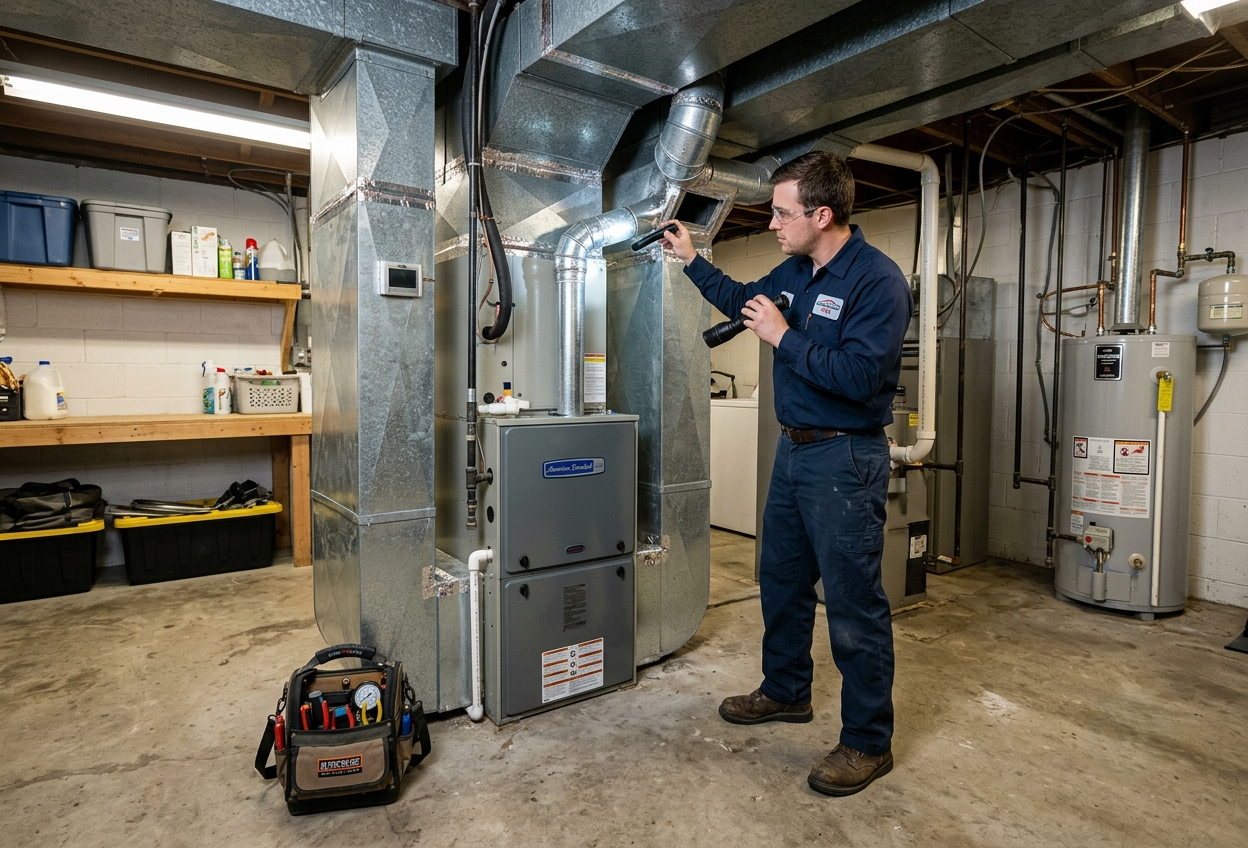
- Inspect vents from start to finish using cameras or airflow meters
- Remove deep or stubborn lint buildup
- Ensure vents are fully clear from the dryer all the way to the exterior
No app notification or internal sensor can do this for you.
What Homeowners Can Do
Even with a smart dryer, you can take simple steps to protect your home:
- Watch for warning signs: Longer drying times, unusual smells, hot dryer surfaces, or lint near exterior vents.
- Schedule yearly professional inspections: A technician can clean and inspect vents thoroughly.
- Maintain the basics at home: Clean the lint trap after every load, use rigid metal ducts instead of flexible plastic, and avoid long or sharply angled vent runs.
Small steps like these make a big difference in safety and performance.
If you live in West Michigan, extra caution is wise. Older homes, long vent runs, and seasonal weather changes can increase lint buildup and airflow problems. Even the smartest dryers can’t prevent hidden blockages in these situations.
Protect Your Home with Lakeshore Air Duct Cleaning
Even the smartest dryers can’t spot every hidden problem. That’s why professional care matters. Lakeshore Air Duct Cleaning, serving homeowners across West Michigan, offers thorough inspections and cleaning to ensure your vents are clear. Their team removes hidden blockages, improves your dryer’s efficiency, and significantly reduces fire risk.
Keeping your home safe doesn’t have to be complicated.
Schedule a professional dryer vent cleaning
with Lakeshore Air Duct Cleaning today and enjoy peace of mind knowing your system is safe, efficient, and ready for years of reliable use.
You might also like