The Dangers of Dryer Lint: What Every Homeowner Should Know
Is dryer lint really that dangerous?
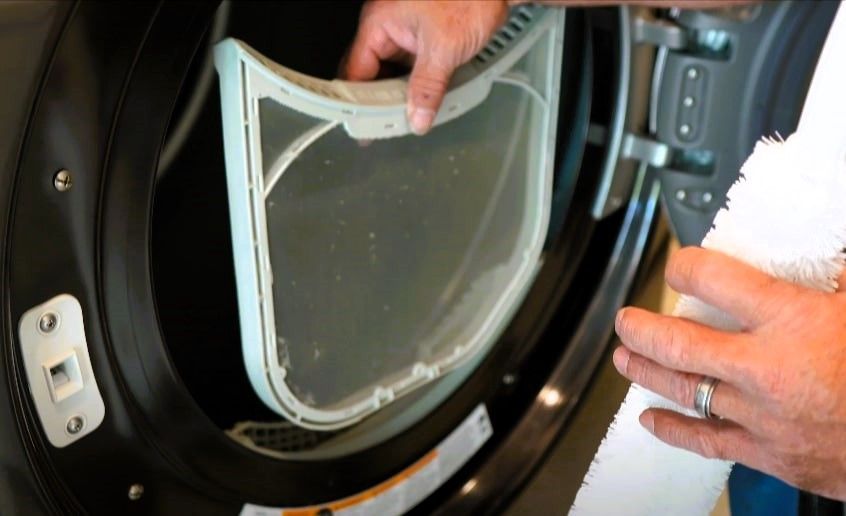
Doing laundry is a routine task that many people experience as part of their everyday life. But there's one vital aspect that often flies under the radar: dryer lint. This seemingly harmless fluff can pose more risks than you might realize. Join me as we dive into the hidden dangers of dryer lint and discover proactive steps you can take to ensure your home remains safe and sound!
What Is Dryer Lint?
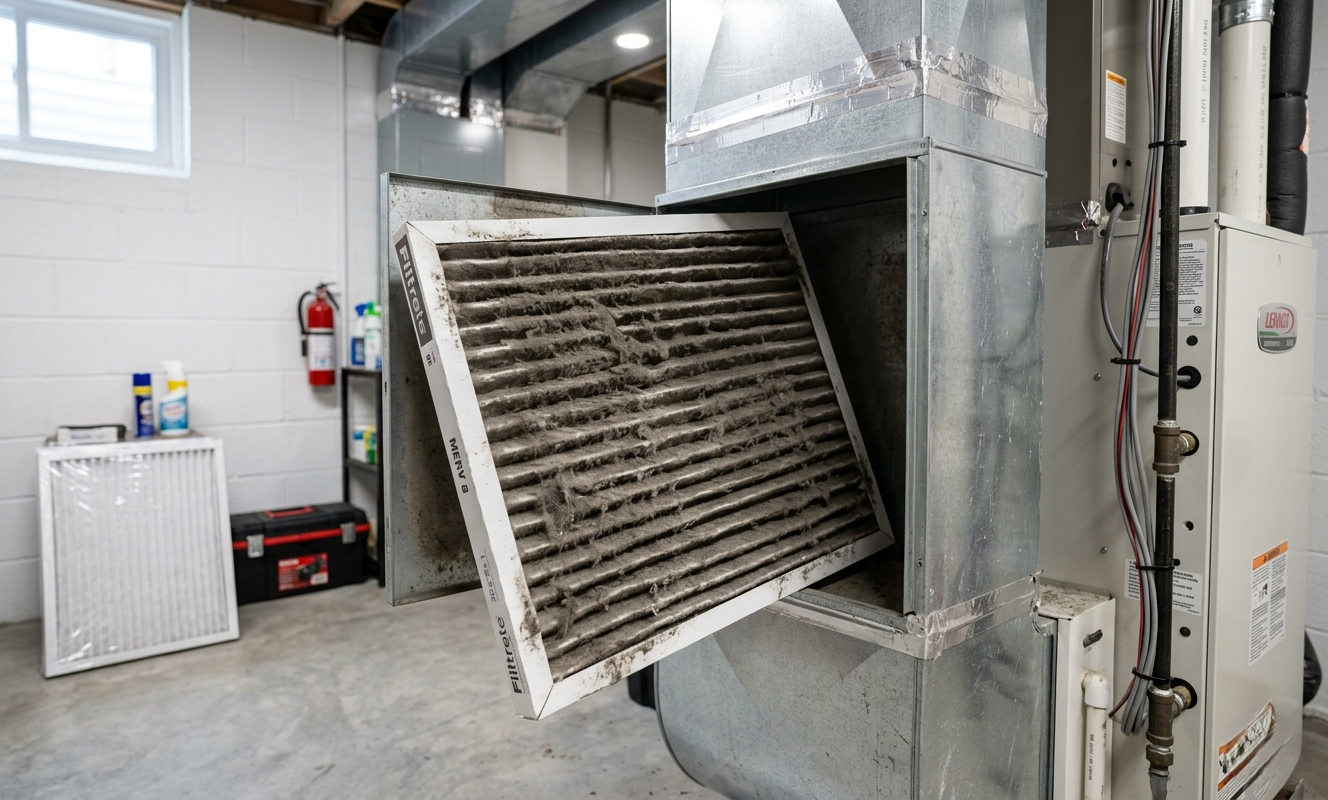
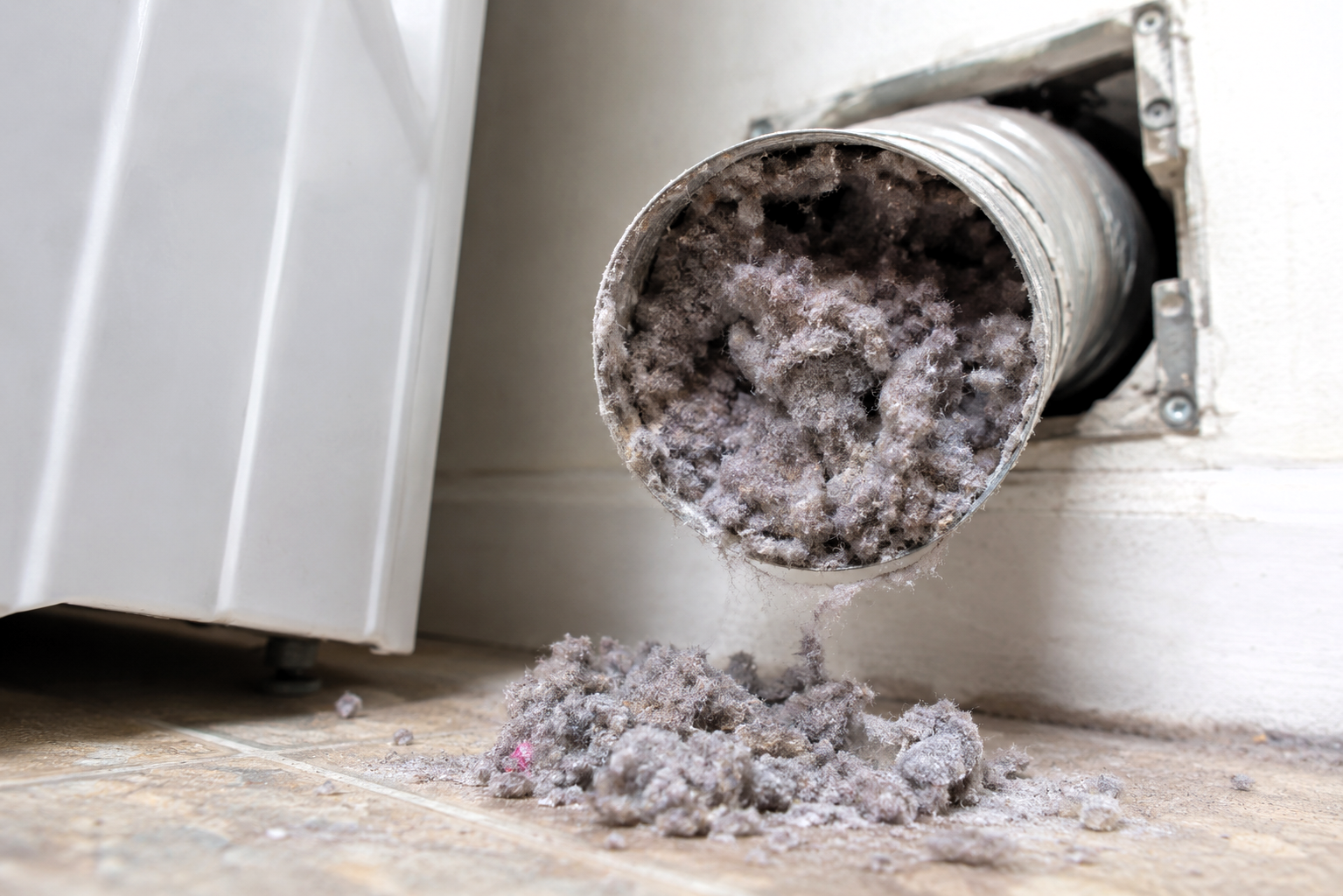
Dryer lint consists of small fibers shed from your clothes, mixed with dust, skin cells, and a variety of other debris. While it's normal for some lint to gather, the real concern starts when it accumulates in the lint trap and dryer vent. Many people think that simply cleaning the lint filter after every load is sufficient, but this common misunderstanding can result in serious issues down the line.
The Hidden Fire Hazard You Must Not Ignore
One of the most alarming risks associated with dryer lint is its ability to ignite devastating fires. According to the National Fire Protection Association (NFPA), clothes dryers are responsible for thousands of residential fires each year, resulting in injuries and, unfortunately, even deaths. The primary culprit? A buildup of lint. When lint gathers in the dryer vent, it obstructs airflow, causing the dryer to overheat. This excess heat can easily set the lint ablaze, transforming a routine laundry day into a life-threatening situation. Leaving your dryer unattended while it's running drastically increases this fire hazard.
Hidden Health Dangers Lurking in Your Home
Beyond fire risks, dryer lint poses a serious threat to indoor air quality. Blocked dryer vents can create excess moisture, which becomes an ideal environment for mold growth, especially in humid conditions. When mold spores spread throughout your home, they may trigger allergic reactions and respiratory problems for your family. For those with asthma or other breathing challenges, exposure to mold can significantly worsen their health conditions.
Rising Energy Bills: A Hidden Cost
A clogged dryer vent poses not only a safety risk but also a significant drain on your energy budget. When lint accumulates, it hinders your dryer's ability to expel air and thoroughly dry your clothes. This inefficiency results in longer drying times, causing your energy consumption to spike and your utility costs to soar. If you've noticed that your laundry needs multiple cycles to dry, it may be time to examine your dryer vent more closely.
Essential Tips for Homeowners
To keep your dryer running safely and effectively, consider these important guidelines:
- Make It a Habit to Clean the Lint Screen After Each Use: Develop the routine of clearing lint from the filter after every load. This straightforward action prevents buildup and improves airflow.
- Regularly Check the Ventilation System: Make sure your dryer vent is correctly installed and unobstructed. Maintaining a clear airflow is essential for optimal performance.
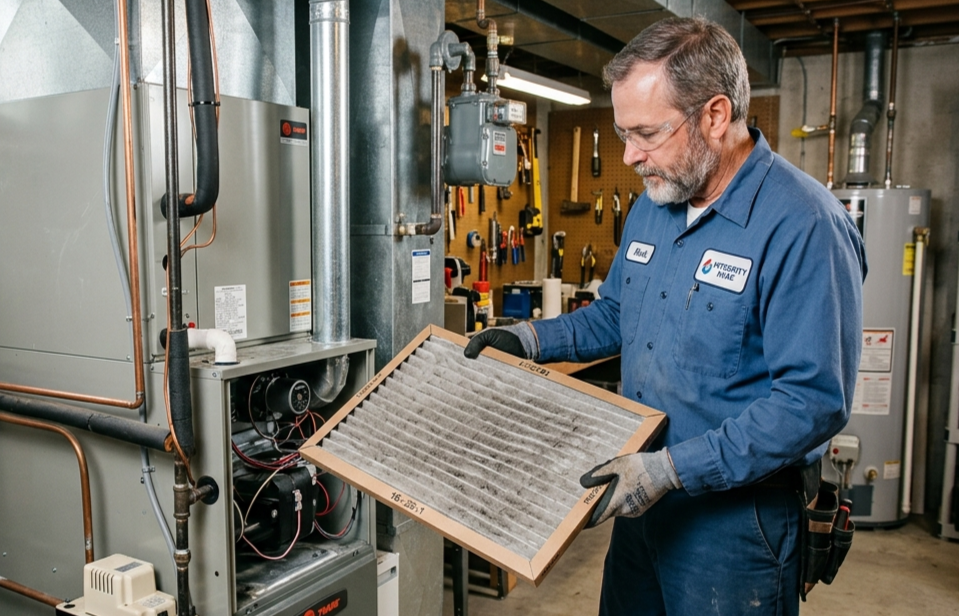
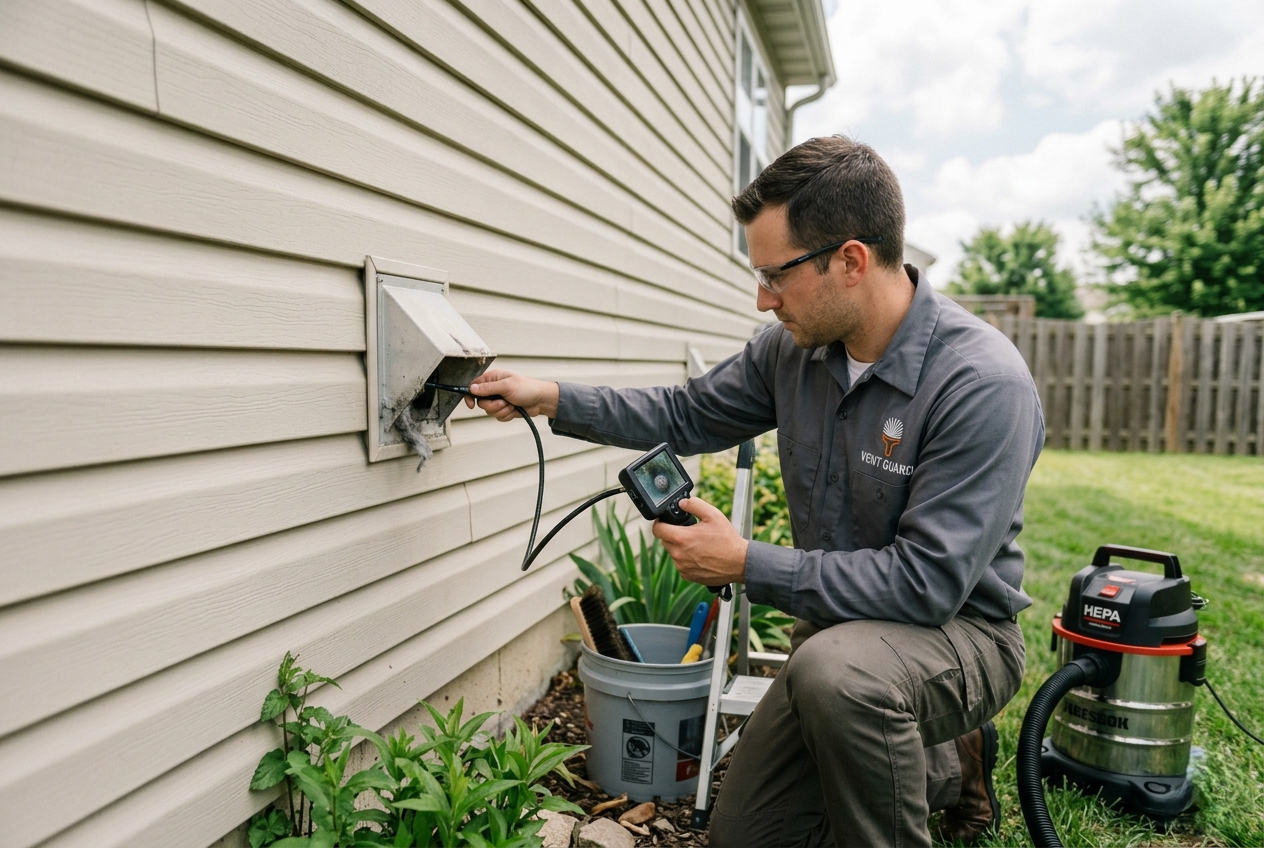
- Schedule Regular Professional Cleanings: Over time, lint can gather in hard-to-reach spots. It's advisable to have a professional clean your dryer vent at least once a year to tackle hidden accumulation.
- Watch for Longer Drying Times: If your laundry is taking much longer than usual to dry, it could be a sign of a blocked dryer vent that needs immediate attention.
- Be Selective with Your Drying Materials: Avoid drying items like rubber-backed rugs or clothing with loose threads that shed lint easily.
Protect Your Home and Health: Schedule Your Dryer Vent Cleaning Today!
Though it may seem inconsequential, dryer lint can present serious threats to your home, health, and wallet. Acknowledging these dangers and acting proactively can protect your loved ones and enhance your laundry experience. If you require a comprehensive dryer vent cleaning or wish to prevent lint accumulation,
reach out to Lakeshore Air Duct Cleaning today.
You might also like