Best Air Filters for Homes with Pets in 2026
What air filters work best for homes with pets and how they keep your air clean
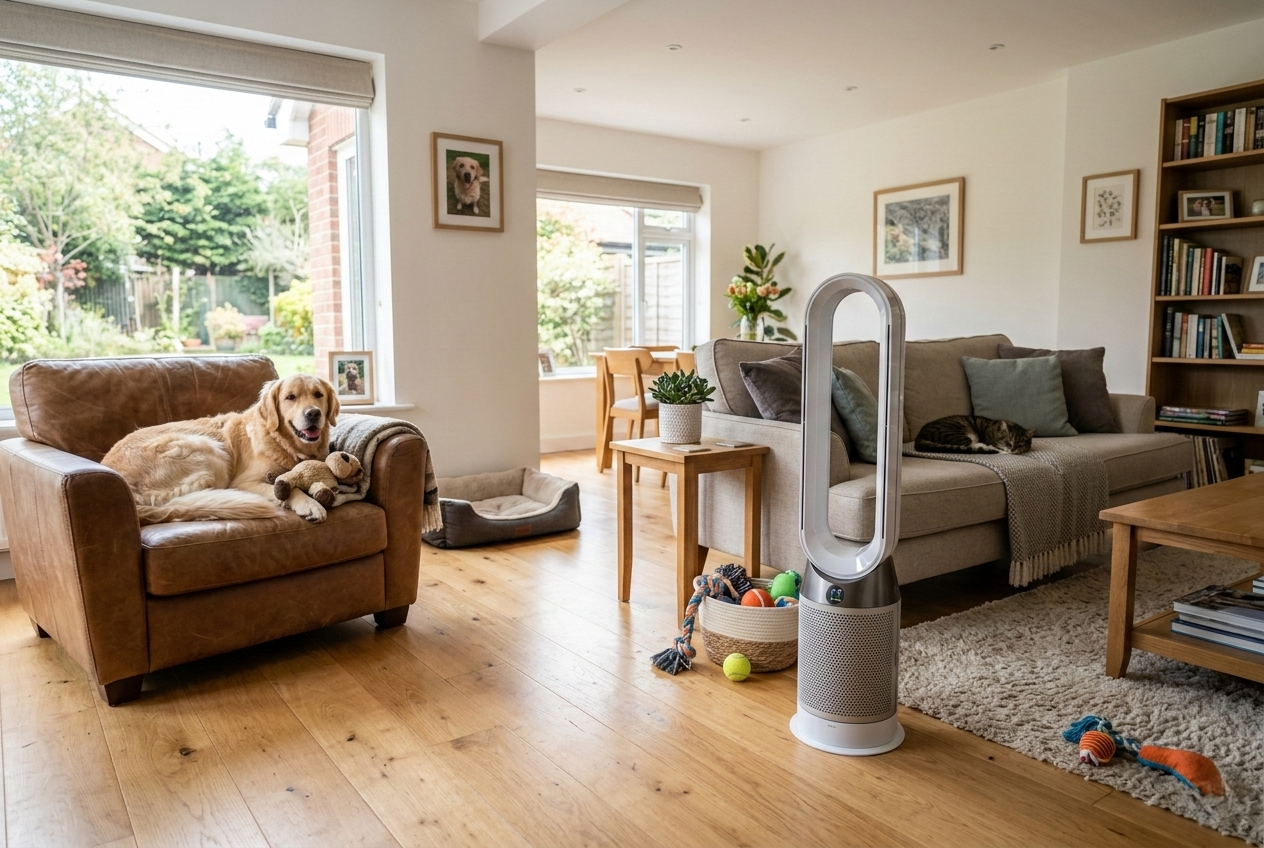
If you have pets, you already know how much joy they bring — and how much hair, dander, and odors they leave behind. While furry friends are wonderful, they can make keeping your home’s air clean a real challenge. Choosing the right air filter can make a huge difference, helping your family breathe easier and keeping your HVAC system running smoothly.
Here’s a guide to the best air filters for homes with pets in 2026, especially for homeowners in West Michigan.
Why Air Filtration Matters When You Have Pets
Imagine walking into a home with three cats and a dog. The living room smells fine, but a tiny sneeze hits your allergies, your eyes water, and your HVAC system hums harder than usual. That’s what pet hair and dander can do when it circulates through your home.
In West Michigan homes with central HVAC systems, particles from pets can travel from room to room, making it essential to choose an air filter that works for your lifestyle.
1. HEPA Filters — The Gold Standard for Pet Homes
Think of HEPA filters as superheroes for pet owners. They capture nearly all microscopic particles—up to 99.97%—including dust, pet dander, and common allergens.
Why homeowners love them: A woman in Grand Rapids noticed that after switching to a HEPA filter, her family stopped sneezing every morning, even though her golden retriever sheds like crazy.
Things to keep in mind: Some HVAC systems need adjustments to handle HEPA filters, so it’s worth consulting a professional.
Portable HEPA purifiers are also a lifesaver. Place one in your living room or bedroom — wherever your pets spend the most time — and you’ll notice hair and dander trapped in the filter instead of swirling around your home.
2. Electrostatic Filters — A Budget-Friendly Choice
Electrostatic filters use static electricity to attract pet hair and airborne particles. Many are washable and reusable, making them eco-friendly and cost-effective.
Best for: Homes with moderate shedding pets or budget-conscious homeowners.
Upkeep: Regularly clean them to ensure optimal performance.
A neighbor in Muskegon swears by a washable electrostatic filter — she has two cats and a dog, and she just rinses it every couple of weeks. It saves money and still keeps the air noticeably cleaner.
3. Pleated MERV-Rated Filters — Great for HVAC Systems
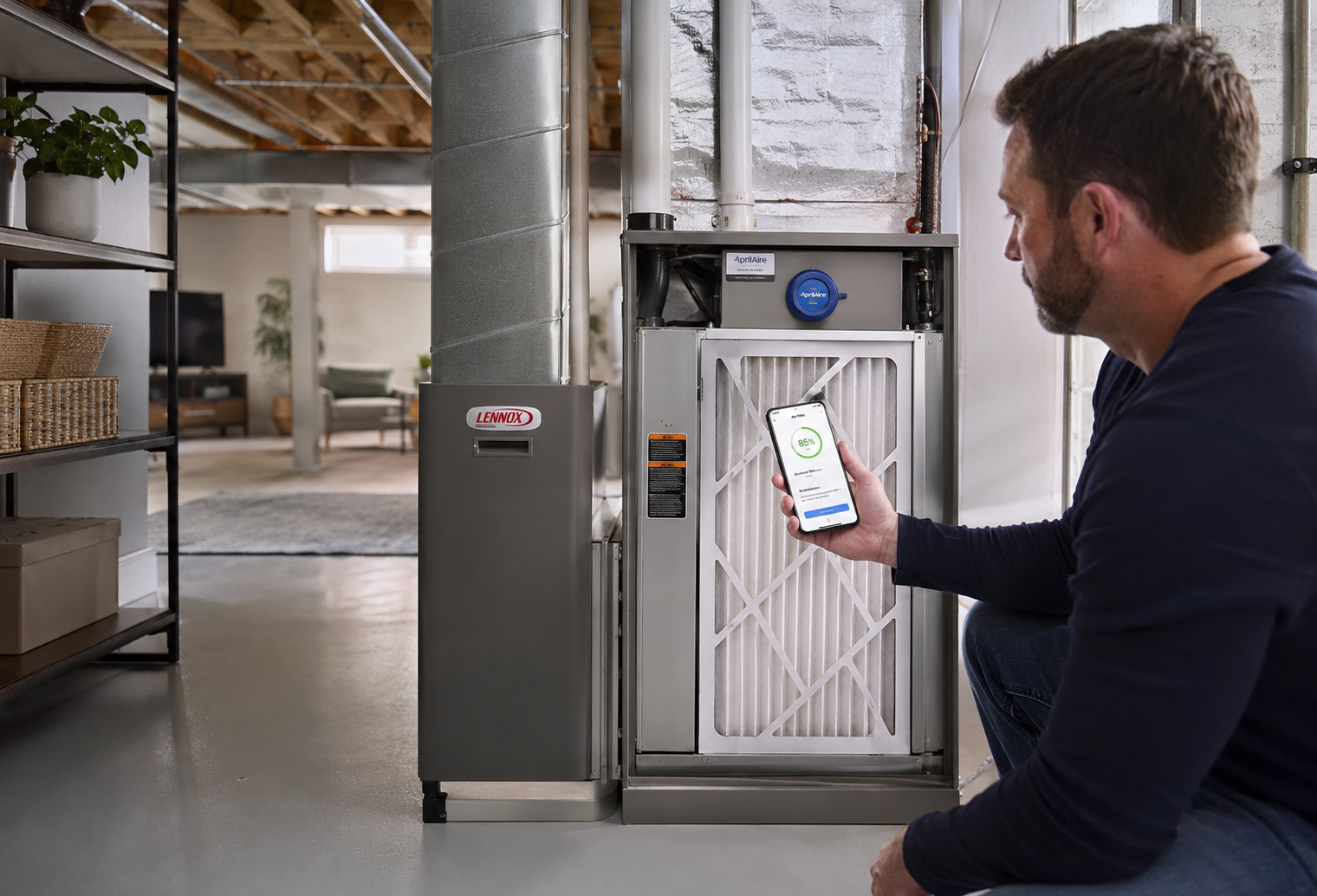
MERV-rated pleated filters balance particle removal with airflow. They’re perfect for central HVAC systems that need to circulate air efficiently while trapping pet dander.
Best range: MERV 8–11 efficiently captures pet hair and dander while keeping your system running smoothly.
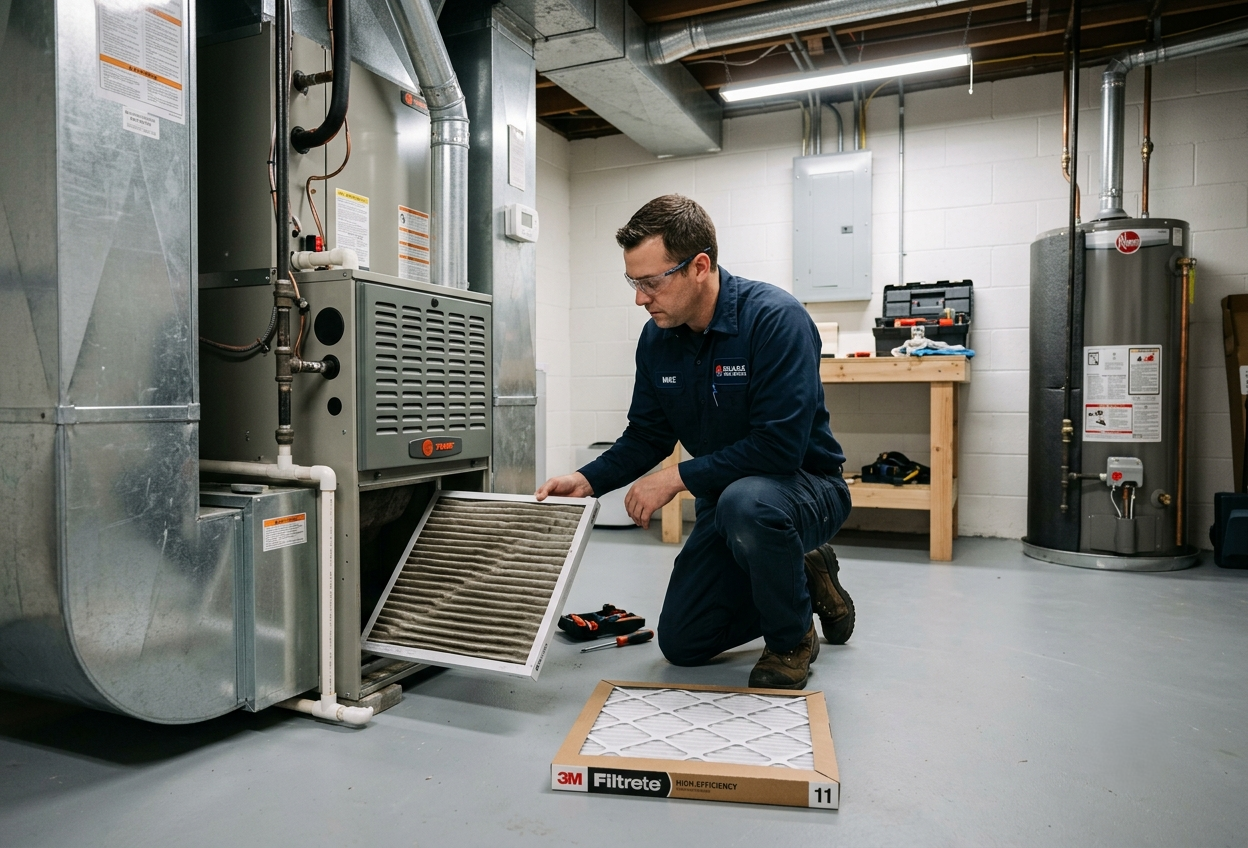
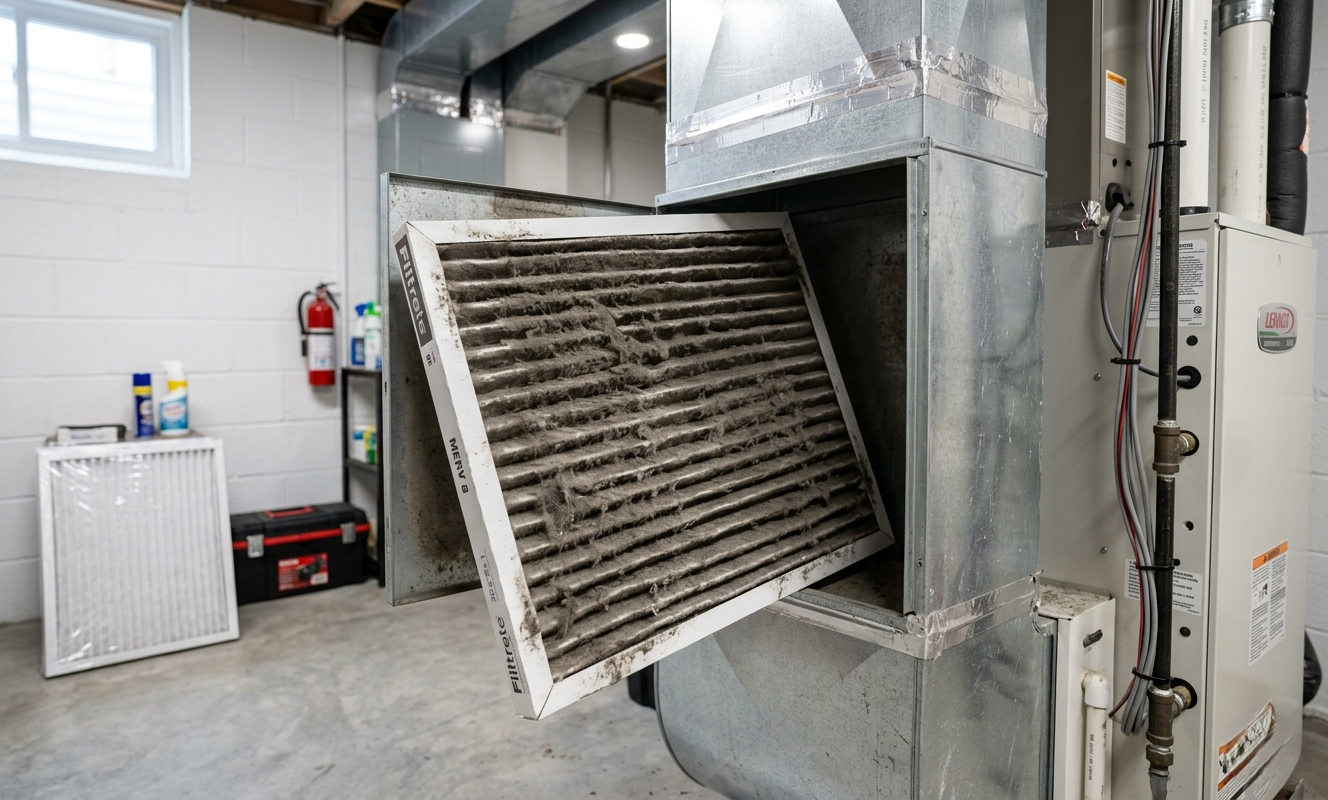
Pro tip: In homes with pets that shed a lot, swap out air filters every 30 to 60 days for optimal performance.
One West Michigan homeowner shared that after switching from a basic filter to a MERV 11 pleated filter, her heating system ran more smoothly, and she noticed fewer dust bunnies under the couch.
4. Activated Carbon Filters — For Pet Odors
Activated carbon filters are your go-to for odor control. They absorb smells from litter boxes, wet fur, and food areas.
Best practice: Pair them with HEPA or pleated filters for both odor and particle removal.
A friend in Holland installed a HEPA + carbon purifier near the kitchen where her cat’s litter box is. She says guests no longer notice any smell when walking in — and neither do the cats.
Top Air Filter and Purifier Options for 2026
Effective solutions tailored specifically for households with pets include:
- Whole-home filters: High-MERV pleated or HEPA filters for HVAC systems — clean air in every room.
- Portable purifiers:
- Winix HEPA + Carbon units adjust automatically and trap pet dander efficiently.
- Blueair purifiers combine HEPA and odor-reducing layers for maximum performance.
- Compact HEPA purifiers: Perfect for smaller rooms or apartments — noticeable improvement on a budget.
How Often to Replace Filters in a Pet Home
Pets mean more frequent filter changes:
- HEPA and pleated filters: every 30–60 days
- Electrostatic filters: clean weekly or biweekly
- Carbon filters: every 2–3 months or when odors return
One homeowner in Grand Haven shares that sticking to this schedule made her HVAC system run quieter and her family stop sneezing — and she didn’t even have to deep-clean the ducts as often.
Extra Tips for Cleaner Air with Pets
Even the best filters work better with a few extra habits:
- Brush and groom pets regularly to reduce shedding
- Clean litter boxes and pet areas often
- Vacuum with a HEPA-equipped vacuum
- Set up portable air cleaners in the spaces your pets frequent
Conclusion
Having pets doesn’t mean giving up clean air. Picking the right air filter, whether HEPA, carbon, pleated, or electrostatic, can keep allergens, pet dander, and odors at bay, making your living space fresher and healthier.
Take Action: If you want to make sure your home’s air system is working at its best,
reach out
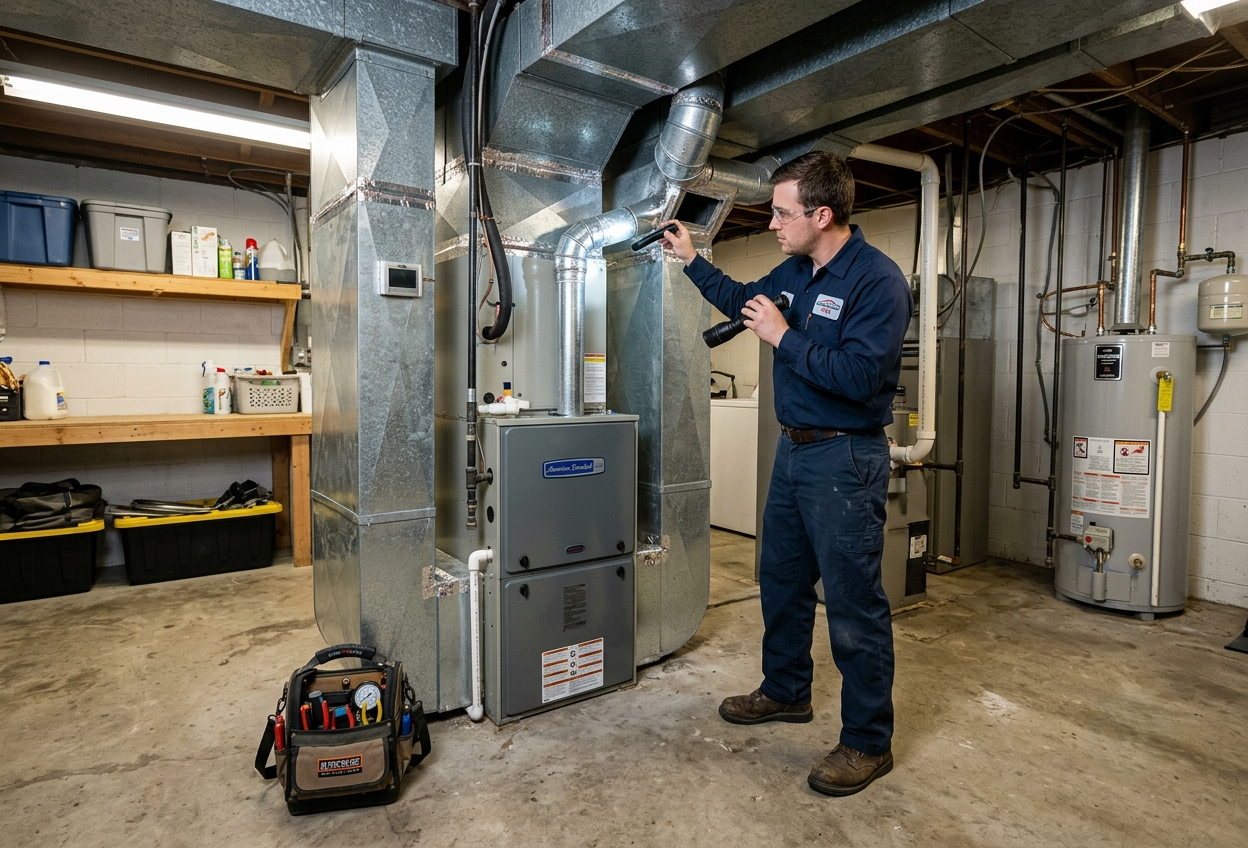
to Lakeshore Air Duct Cleaning in West Michigan. They can assess your HVAC system, recommend the right filters, and help your pet-friendly home breathe easier year-round.
You might also like