Allergy Season and Your Air Ducts: What You Should Know
Why cleaning your air ducts can transform allergy season comfort
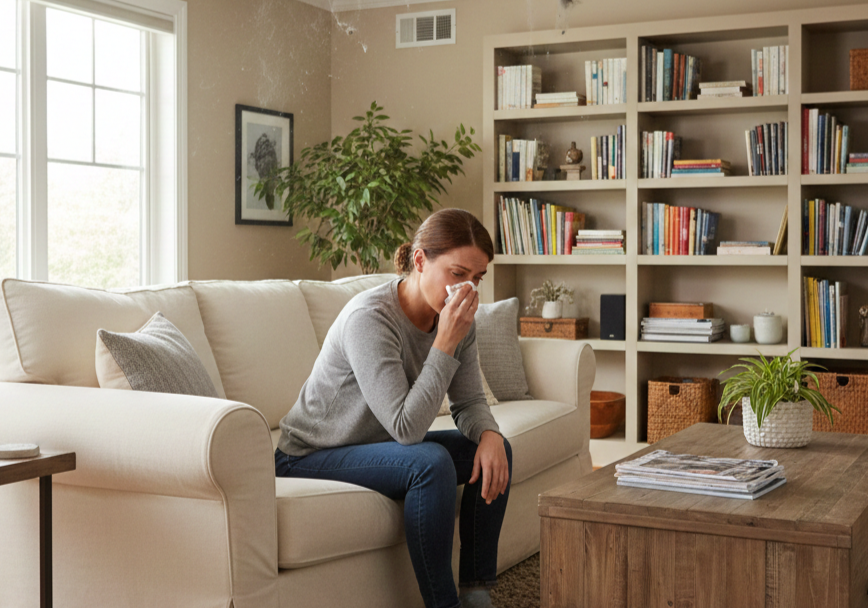
Ah, spring in West Michigan. Flowers pop up, the air smells fresh, and then —bam— your allergies hit like a brick wall. You head inside to escape the pollen, only to find yourself still sneezing, rubbing itchy eyes, and reaching for tissues. Frustrating, right?
Here’s the surprise most homeowners don’t expect: one of the biggest allergy triggers in your home might be hiding right behind your walls. Yep, your air ducts.
Let’s unpack what’s really going on during allergy season and how paying attention to your ductwork can help you breathe a whole lot easier.
Why Your Home Can Feel Like an Allergy Trap
We usually blame allergies on the outdoors. Tree pollen in spring. Grass in early summer. Ragweed and mold later in the year. And in West Michigan, we get the full lineup.
But once those tiny particles sneak inside, they don’t magically vanish. Your HVAC system can pull them in and circulate them through your home again and again. Instead of being a safe haven, your house becomes a loop of recycled allergens.
If your air isn’t being filtered well, those particles hang around. And unfortunately, your sinuses are often the first to notice.
How Air Ducts Quietly Make Allergies Worse
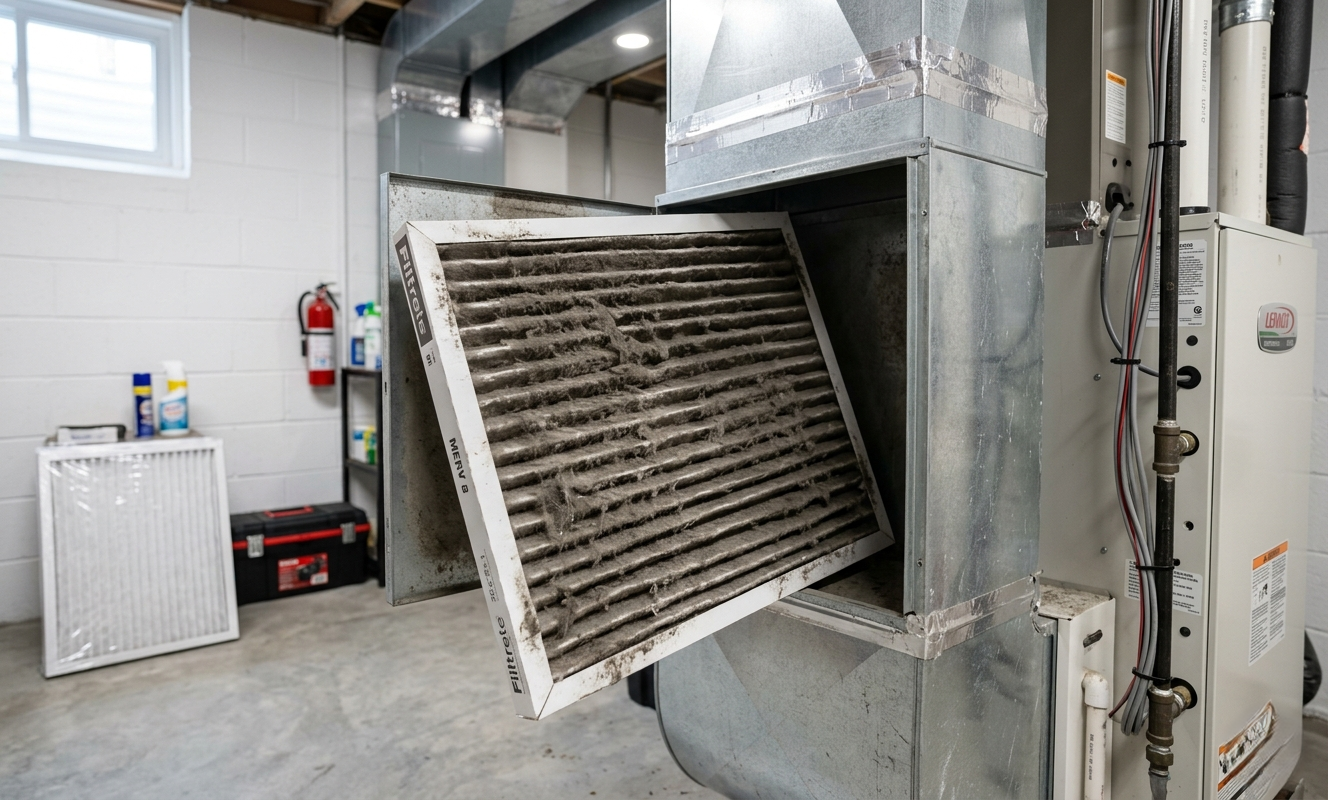
Air ducts act as the circulatory system for your home, constantly channeling air to every space. Unfortunately, dust, pollen, pet dander, and mold spores settle inside, silently affecting the air you breathe.
Every time your system powers on, all the collected buildup finds its way back into your rooms.
Sparkling floors and shining counters mean little if hidden ducts are filled with dust and debris. It’s like shaking out an old rug—you don’t see the dust until it’s suddenly everywhere.
Red Flags That Your Air Ducts Need Attention
It’s not always obvious that your ducts are to blame. That said, there are several cautionary signals to keep an eye on:
- Allergy symptoms get worse at home: If you feel better outside than indoors, your air quality could be the issue.
- Dust blowing from vents: More dust than usual is often a sign of buildup inside the ductwork.
- Musty or stale odors: Smells that show up when the heat or AC turns on aren’t just annoying—they’re telling you something.
- Dust that keeps coming back: If you clean constantly but can’t keep up, your ducts may be feeding the problem.
If any of this sounds familiar, your air ducts deserve a closer look.
How Professional Air Duct Cleaning Helps
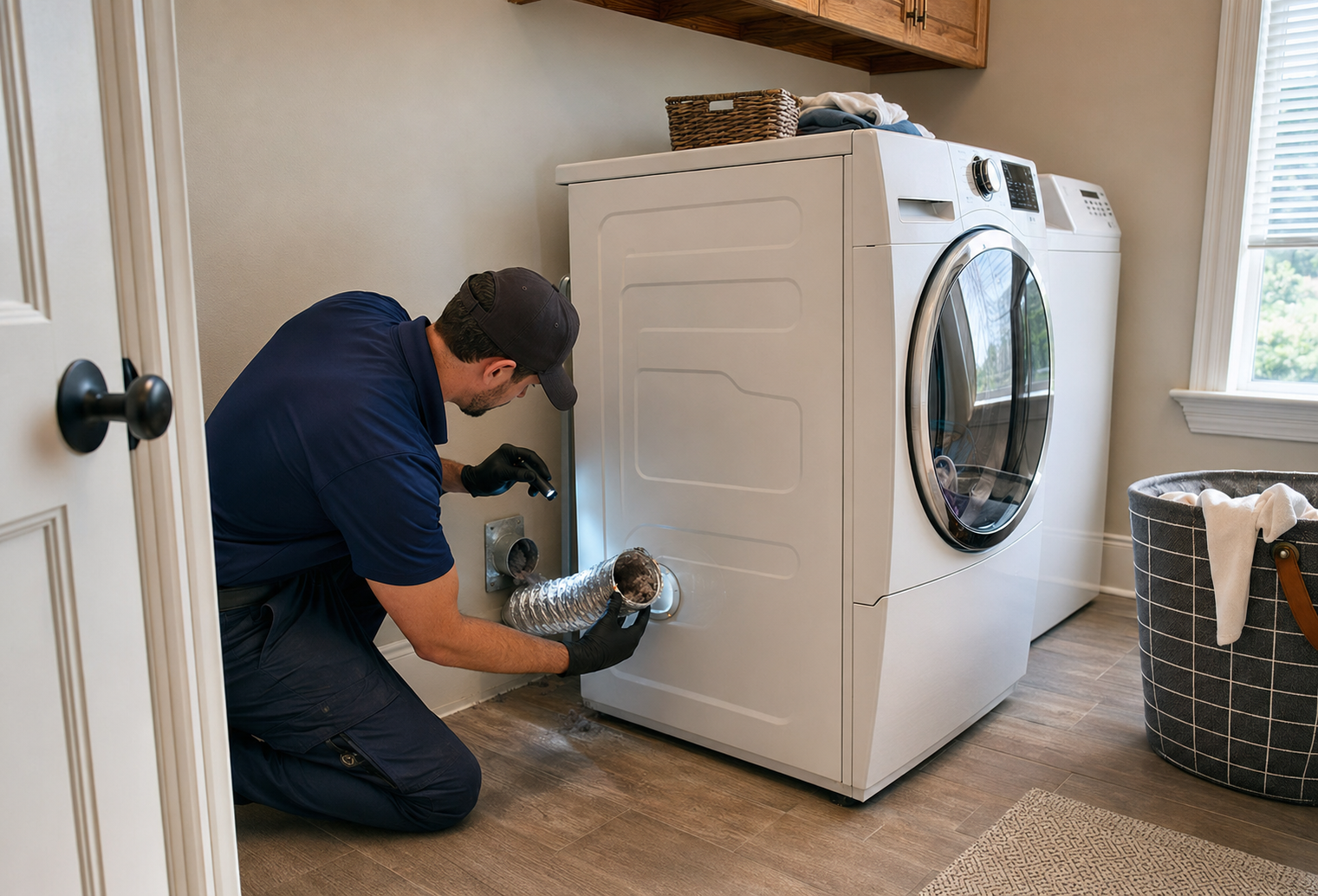
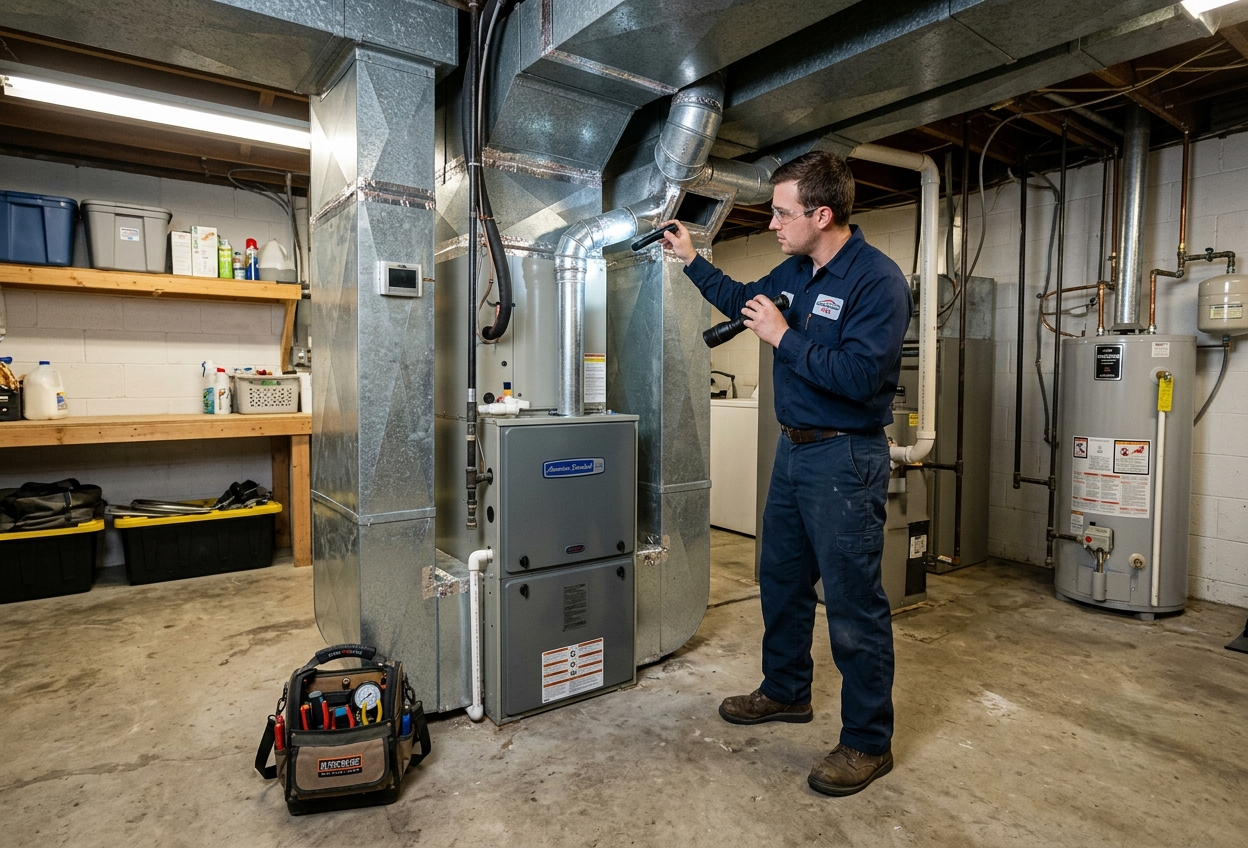
Get your air ducts professionally cleaned to flush out hidden dust, pollen, pet dander, and mold that could be affecting your home’s air. With these contaminants gone, your home can enjoy cleaner, fresher air circulating throughout every room.
For those with allergies, this often translates to fewer flare-ups—less sneezing, reduced congestion, and more restful nights.
On top of improved air quality, clean ducts help your HVAC system operate more efficiently, potentially lowering your energy bills. It’s an upgrade that you can notice almost immediately, both in comfort and in performance.
Timing Your Duct Cleaning: What Experts Recommend
When you act matters as much as how you act. In West Michigan, early spring is ideal—just before pollen levels surge. Late fall is another smart window, after the summer’s humidity and fallen leaves have left their mark.
Most homes do fine with duct cleaning every couple of years. But if your house is dusty, has pets, or someone suffers from allergies, giving your ducts extra attention could make a real difference.
The aim is straightforward: clear out allergens before they start affecting your comfort and health.
Everyday Habits to Support Cleaner Air Ducts
While maintaining clean ducts is important, small daily practices can have an even bigger impact:
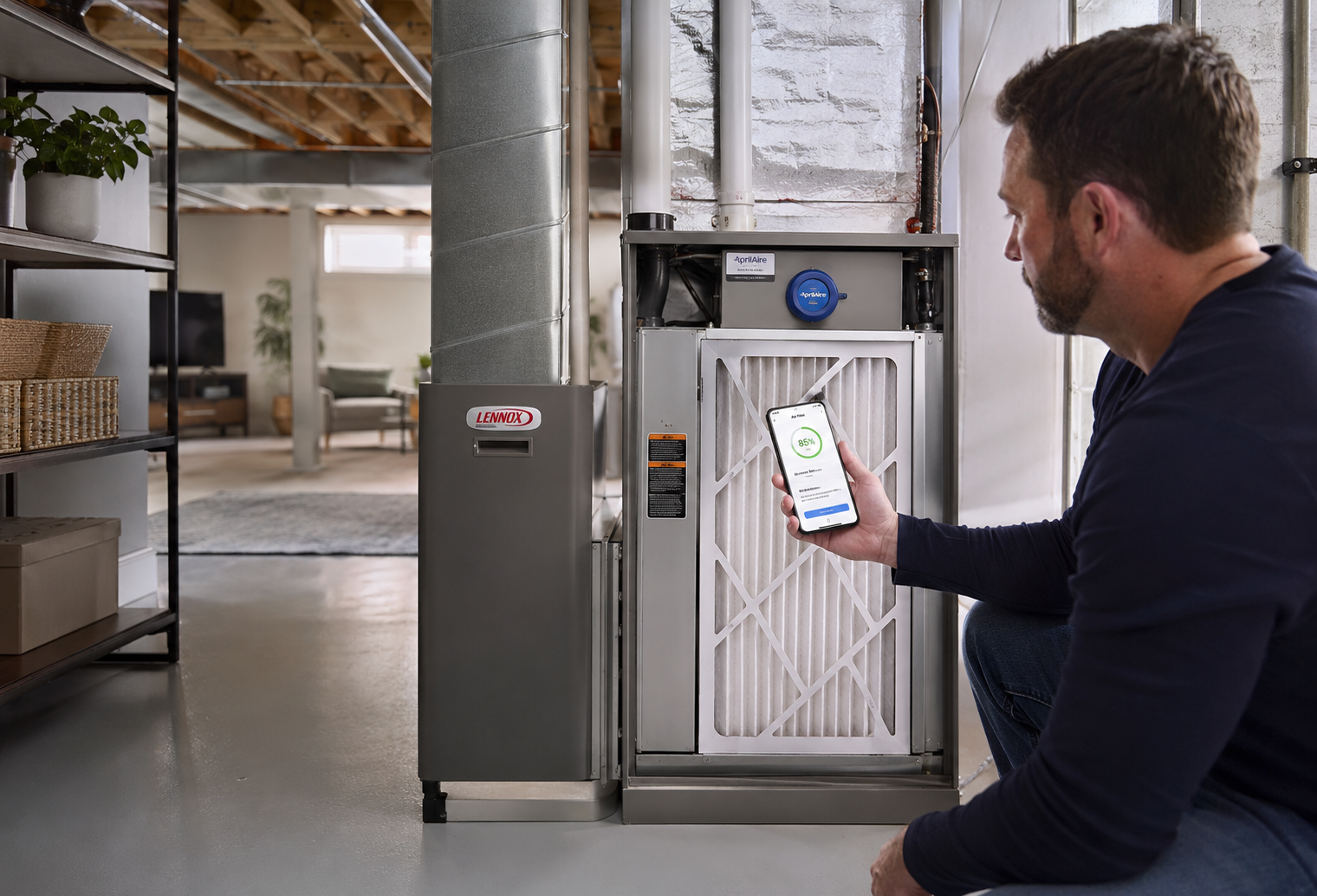
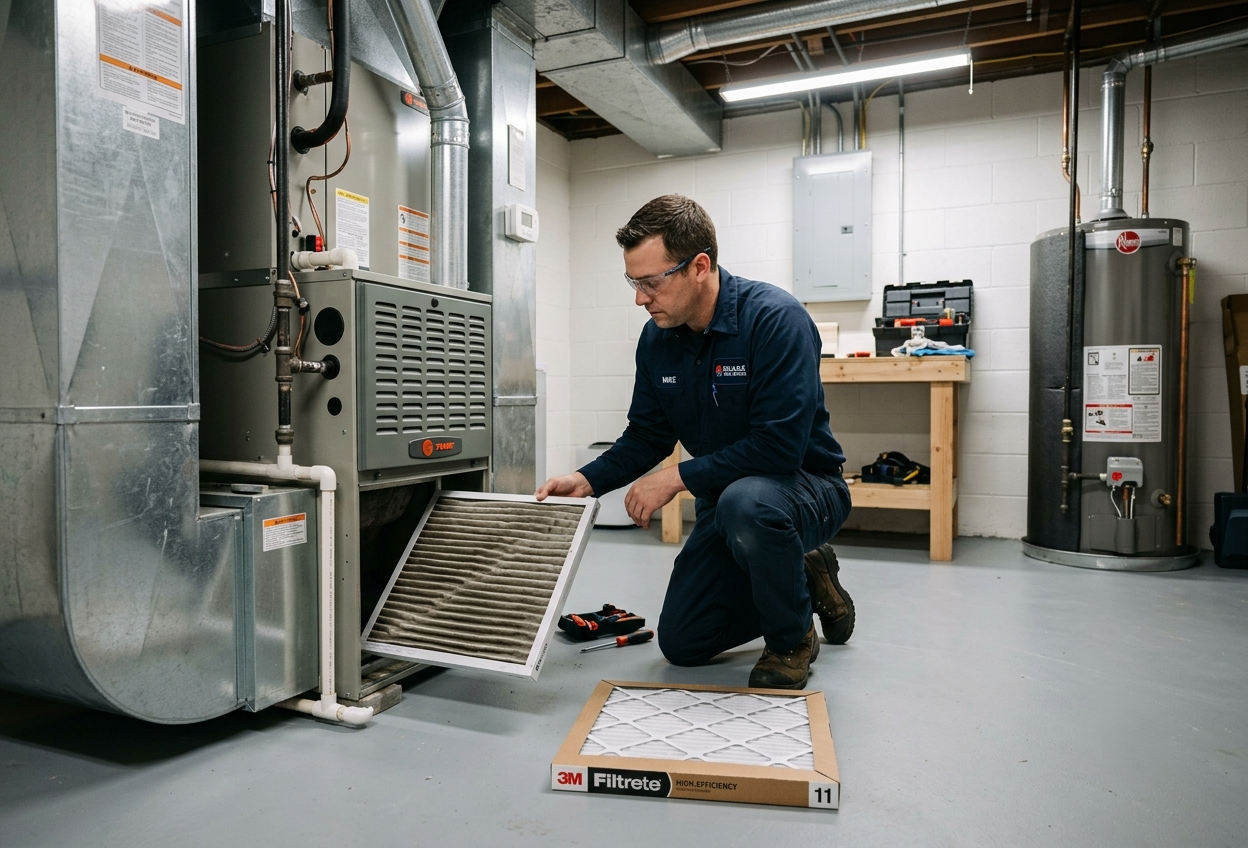
- Swap out your HVAC filters every 1–3 months, with extra attention during allergy season.
- Opt for high-efficiency filters such as MERV 11–13 or HEPA.
- Maintain indoor humidity around 40–50% to limit mold and dust mites.
- Use a HEPA-filter vacuum to dust and clean often.
- Check pollen levels and keep windows shut when counts are elevated.
These simple habits work together to keep the air in your home fresher, lighter, and gentler on your lungs.
Take Control of Allergy Season in Your Home
Allergy season doesn’t have to rule your indoor space. By understanding the impact of your air ducts and taking proactive steps, you can create a healthier, more comfortable home.
Cleaner ducts mean cleaner air—leading to better sleep, fewer allergy flare-ups, and a home that truly feels like a sanctuary.
At Lakeshore Air Duct Cleaning in West Michigan, our expert team removes hidden allergens, improves airflow, and refreshes the air throughout your home.
Don’t wait until sneezes and sniffles take over—call us todayand start enjoying cleaner, healthier air this season.
You might also like